
Low Hemoglobin: Symptoms, Causes, and Ways to Increase It
Hemoglobin is one of the most important indicators measured in a complete blood count (CBC). It reflects the body's ability to deliver oxygen to tissues and organs. A low hemoglobin level may be temporary or indicate anemia, chronic diseases, or nutritional deficiencies. Reduced hemoglobin can negatively affect overall well-being, physical performance, and the function of all body systems, making timely diagnosis and treatment essential.
At Helyos Medical Center, patients can undergo comprehensive laboratory testing, consult with a primary care physician or hematologist, and receive an individualized treatment plan based on the underlying cause of anemia.
What Is Hemoglobin and Why Is It Important?
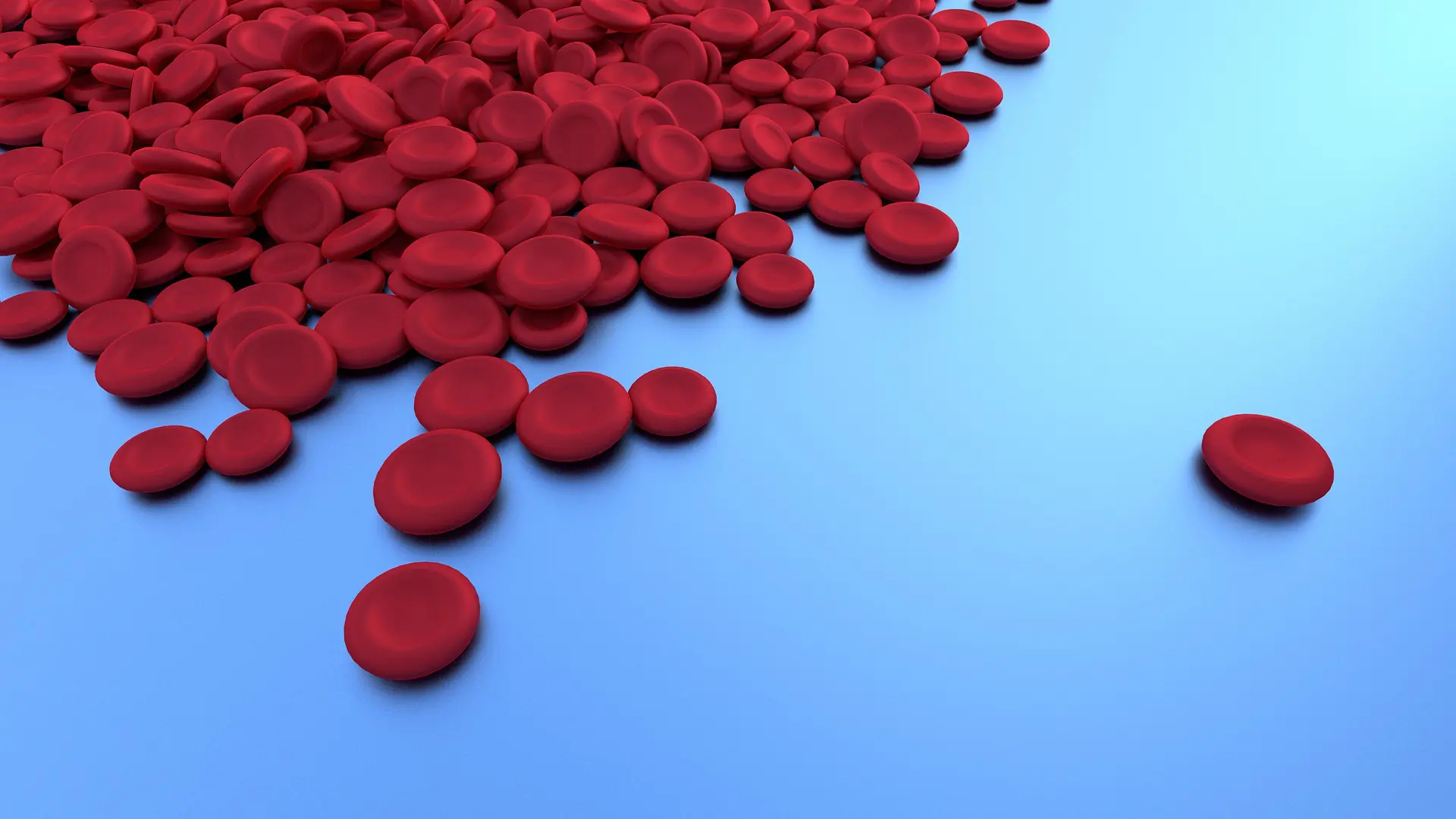
Hemoglobin is a protein found in red blood cells that carries oxygen from the lungs to the body's tissues and transports carbon dioxide back to the lungs for removal. Thanks to hemoglobin, cells receive the oxygen they need to function properly.
When hemoglobin levels decrease, tissues begin to experience oxygen deprivation. As a result, overall well-being worsens, physical performance declines, and symptoms such as weakness and fatigue develop.
In most cases, low hemoglobin is a sign of anemia, but only a healthcare professional can determine the exact cause after a comprehensive medical evaluation.
Symptoms of Low Hemoglobin
Symptoms of low hemoglobin may develop gradually or appear relatively quickly, depending on the underlying cause.
The most common symptoms include:
- persistent weakness;
- fatigue;
- drowsiness;
- dizziness;
- headaches;
- shortness of breath, even during mild physical activity;
- rapid heartbeat;
- pale skin and mucous membranes;
- brittle nails;
- hair loss;
- difficulty concentrating.
In cases of severe anemia, symptoms may also include fainting, chest pain, significantly reduced exercise tolerance, and other signs of inadequate oxygen supply to the body's tissues.
Common Causes of Low Hemoglobin
There are many possible causes of anemia, so treatment should always focus not only on increasing hemoglobin levels but also on addressing the underlying condition.
The most common causes include:
- iron deficiency;
- vitamin B12 or folate deficiency;
- acute or chronic blood loss;
- heavy menstrual bleeding;
- gastrointestinal disorders;
- impaired nutrient absorption;
- chronic inflammatory diseases;
- kidney disease;
- disorders affecting blood cell production.
In some cases, anemia may be a symptom of serious hematologic or oncologic diseases. Therefore, self-treatment is not recommended.
How Anemia and Iron Deficiency Are Diagnosed
The diagnostic process begins with a consultation, during which the physician evaluates symptoms, medical history, and the results of a physical examination.
To determine the underlying cause, the following tests may be recommended:
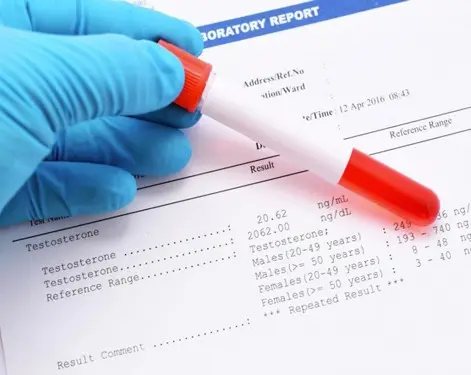
- complete blood count (CBC);
- ferritin level;
- serum iron test;
- vitamin B12 and folate levels;
- blood chemistry (biochemical blood test);
- additional laboratory tests when clinically indicated.
If necessary, your doctor may recommend consultation with a hematologist if a blood disorder is suspected or with a primary care physician for a comprehensive assessment of your overall health. All required laboratory tests can be performed at the Helyos Medical Center laboratory.
How to Increase Hemoglobin: Nutrition and Treatment
Treatment depends on the underlying cause of anemia. In cases of iron deficiency, dietary changes alone are often not enough, and your doctor may prescribe iron supplements or other appropriate medications.
Treatment recommendations typically include:
- following a balanced diet;
- eating iron-rich foods;
- consuming enough protein;
- including foods rich in vitamin C to improve iron absorption;
- taking medications only as prescribed by a healthcare professional;
- treating the underlying condition that caused the anemia.
Taking iron supplements without a confirmed iron deficiency is not recommended, as excessive iron levels can also be harmful to your health.
When Should You See a Doctor?
You should consult a healthcare professional if you experience:
- persistent weakness;
- dizziness;
- pale skin;
- ongoing fatigue;
- low hemoglobin levels shown in blood test results;
- prolonged or heavy bleeding;
- suspected anemia during pregnancy.
The sooner the cause of low hemoglobin is identified, the more effective the treatment will be and the lower the risk of complications.
Conclusion
Low hemoglobin is not a disease itself but an important sign that may indicate an underlying health problem. Early diagnosis helps identify the cause of anemia, choose the most effective treatment, and prevent serious complications. Regular laboratory testing, attention to your health, and timely consultations with your healthcare provider are the best ways to maintain healthy hemoglobin levels and overall well-being.
Was this article helpful?
Thank you for rating.
Prices
Frequently asked questions
History taking:
complaints, family history, medications.
Examination:
skin, mucous membranes, lymph nodes.
Tests:
blood, coagulogram, iron levels, vitamins.
Recommendations:
treatment, diet, additional examinations.
Still have questions?
Leave your details and a doctor will call you back.