Indications for Tissue Expansion
Tissue expansion is recommended when local tissues are insufficient to reconstruct a defect or when large areas of skin require restoration.
Common indications include:
- Post-burn skin defects
- Traumatic soft tissue defects
- Large postoperative defects
- Reconstruction following tumor removal
- Congenital skin defects
- Scar contractures and deformities
- Closure of extensive wounds
- Reconstructive surgery of the scalp, face, and neck
Scalp tissue expansion and lateral neck expansion are particularly valuable because they preserve the natural color, texture, elasticity, and hair-bearing characteristics of the skin.
Types of Tissue Expansion
Acute Tissue Expansion
Acute tissue expansion is performed during a single surgical procedure.
Using specialized surgical devices, the surgeon gradually stretches the wound edges, allowing the defect to be closed without skin grafting.
This technique is most effective for:
- Small defects
- Medium-sized defects
- Areas with sufficient skin elasticity
Tissue Expander Reconstruction
Tissue expander reconstruction is one of the most effective techniques for repairing extensive skin defects.
A specially designed tissue expander is placed beneath the skin and gradually filled with sterile saline over several weeks or months.
As the expander slowly enlarges, new skin is generated, providing sufficient tissue for definitive reconstructive surgery.
Who tissue expansion is for
The method is used when a skin defect is too large to close by simple suturing but a flap graft is undesirable — for example with extensive burn and trauma scars, scarring alopecia of the scalp, or removal of large naevi and tattoos.
Its main advantage is that the defect is closed with the patient's own skin from the same area: it matches in colour, thickness and texture, and on the scalp it continues to grow hair. A transferred flap cannot match in this way.
How treatment proceeds
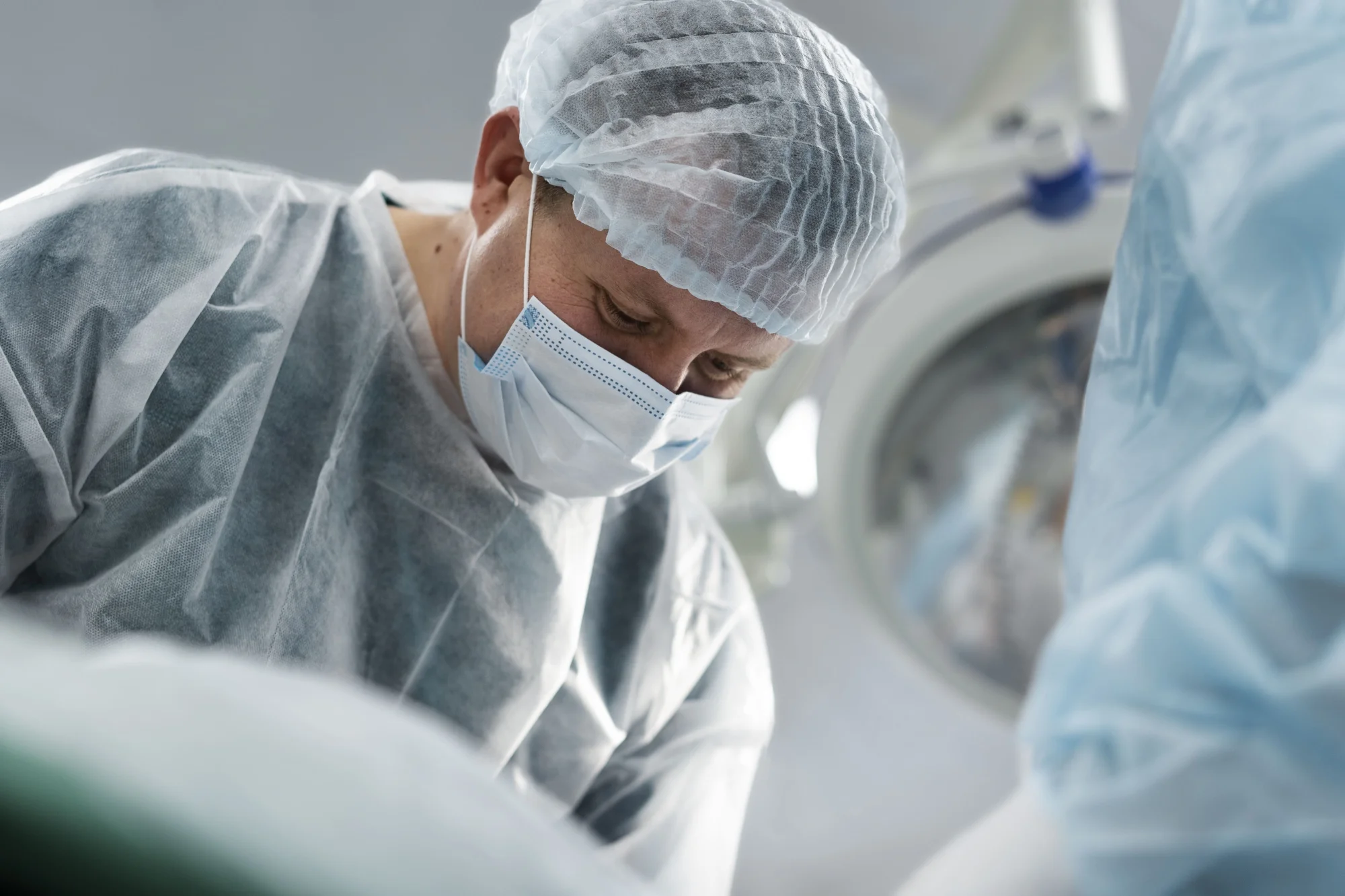
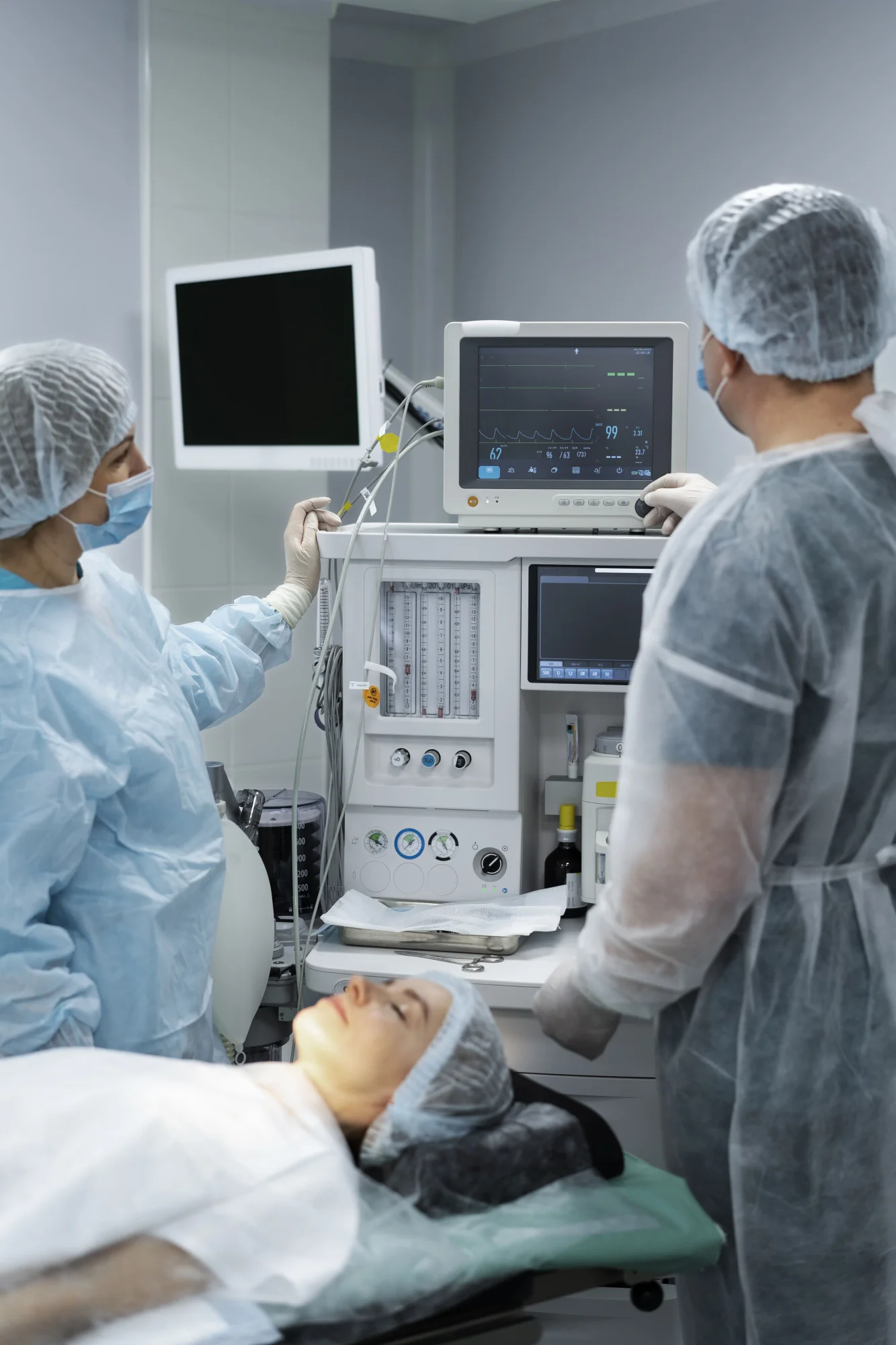
A silicone expander is placed under the skin beside the defect. Over several weeks it is gradually filled with saline at outpatient visits, stretching the skin so that more of it grows. At the second stage the expander is removed and the surplus skin covers the defect. Both stages are performed under anaesthesia; treatment lasts from 6 weeks to several months depending on the area.

Our patients’ results
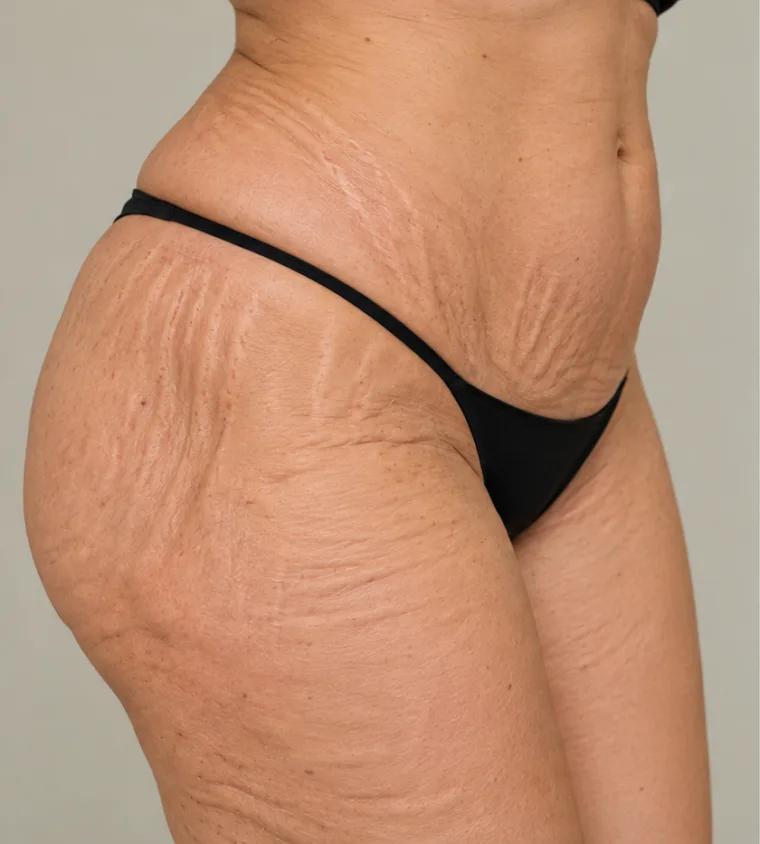
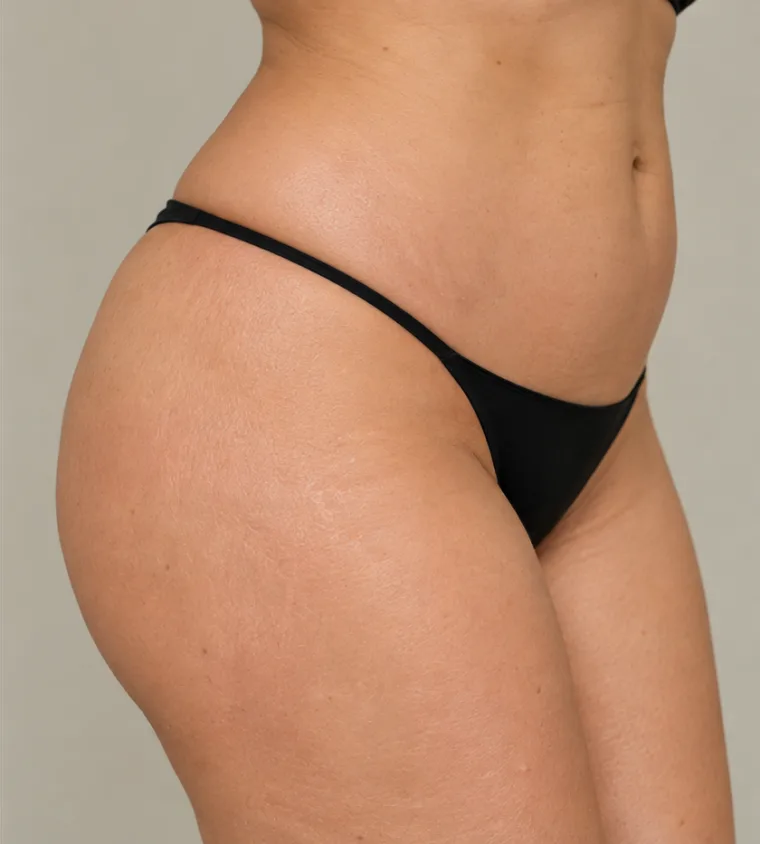
Photographs of Helios Medical Center patients, published with their consent. Results are individual and depend on the starting anatomy, age and personal characteristics.
Prices
Doctors
All Doctors


How is the consultation going?
Yes — as it fills, a visible bulge forms over the site; this is an expected part of the method. How conspicuous it is depends on the area: it is easier to conceal on the scalp and under clothing, harder on exposed parts of the face and neck.
This period is discussed in advance so it can be scheduled at a convenient time. Once the expander is removed, the bulge disappears completely.
A linear scar remains where the skin edges meet — substantially shorter and neater than the area of the original defect, and placed where possible in natural creases or along the hairline.
Maturation takes 6–12 months. Silicone gels and sheets improve its appearance, and laser resurfacing can be considered six months after treatment ends.