
Symptoms of Duodenal Cancer
At the early stages of development, duodenal cancer does not show specific signs. The clear symptoms of the disease start to appear as the tumor grows. The first and most prominent symptom of duodenal cancer is digestive disturbances, as the organ is responsible for the enzymatic processing of food. This condition may be accompanied by:
- Loss of appetite
- Discomfort after eating
- Pain in the upper abdomen
- Increased bloating (gas formation)
- Alternating constipation and diarrhea
- Dislike of food
- Change in stool color
- Jaundice
- Nausea and vomiting
- Feeling of heaviness in the abdomen
- Rapid weight loss
- Belching
The development of the malignant tumor is accompanied by a deterioration in the general condition of the patient, which may lead to fever, anemia, excessive sweating (often at night), persistent weakness, pallor, and more.

Prices


How is the consultation going?
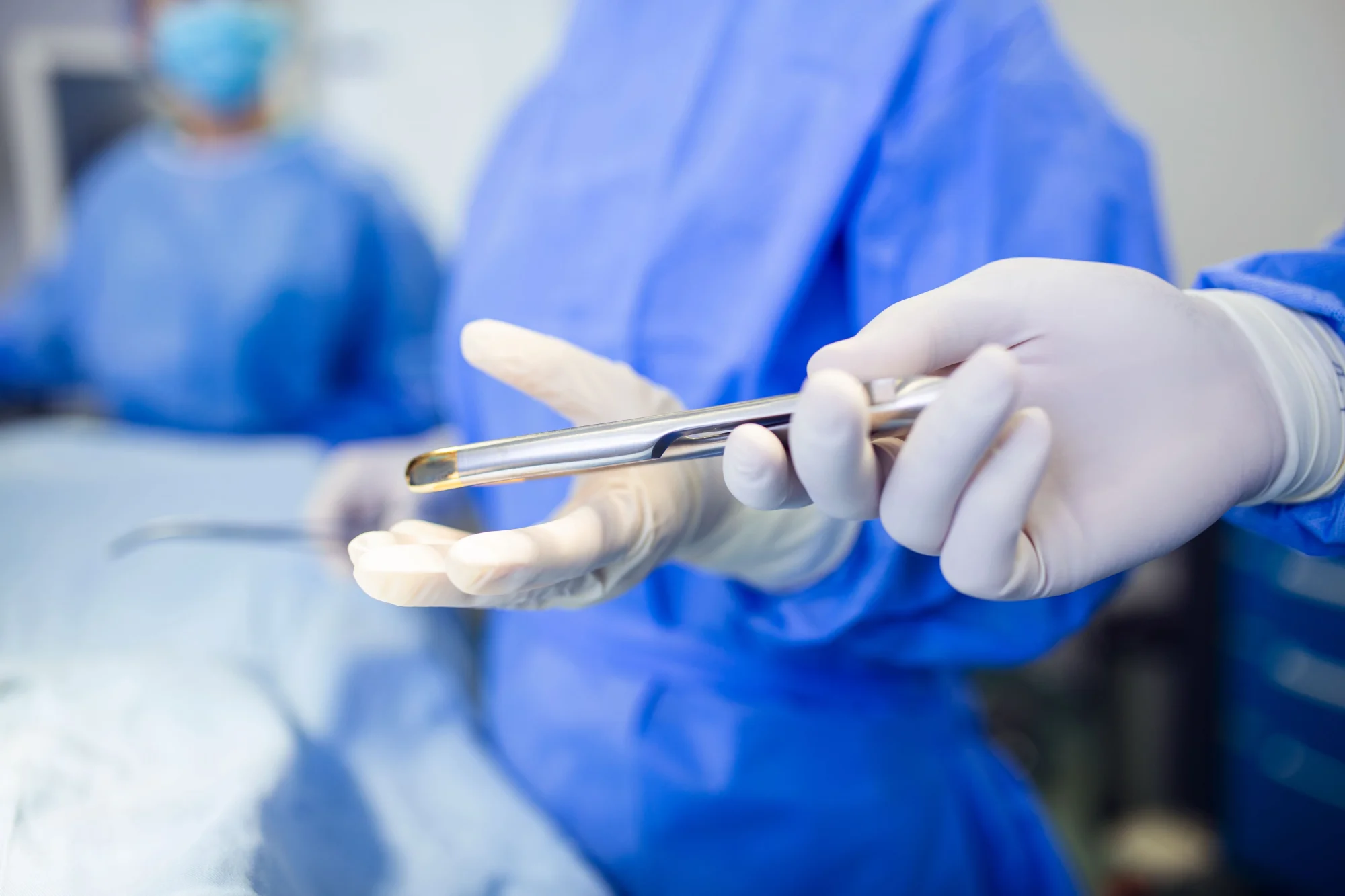
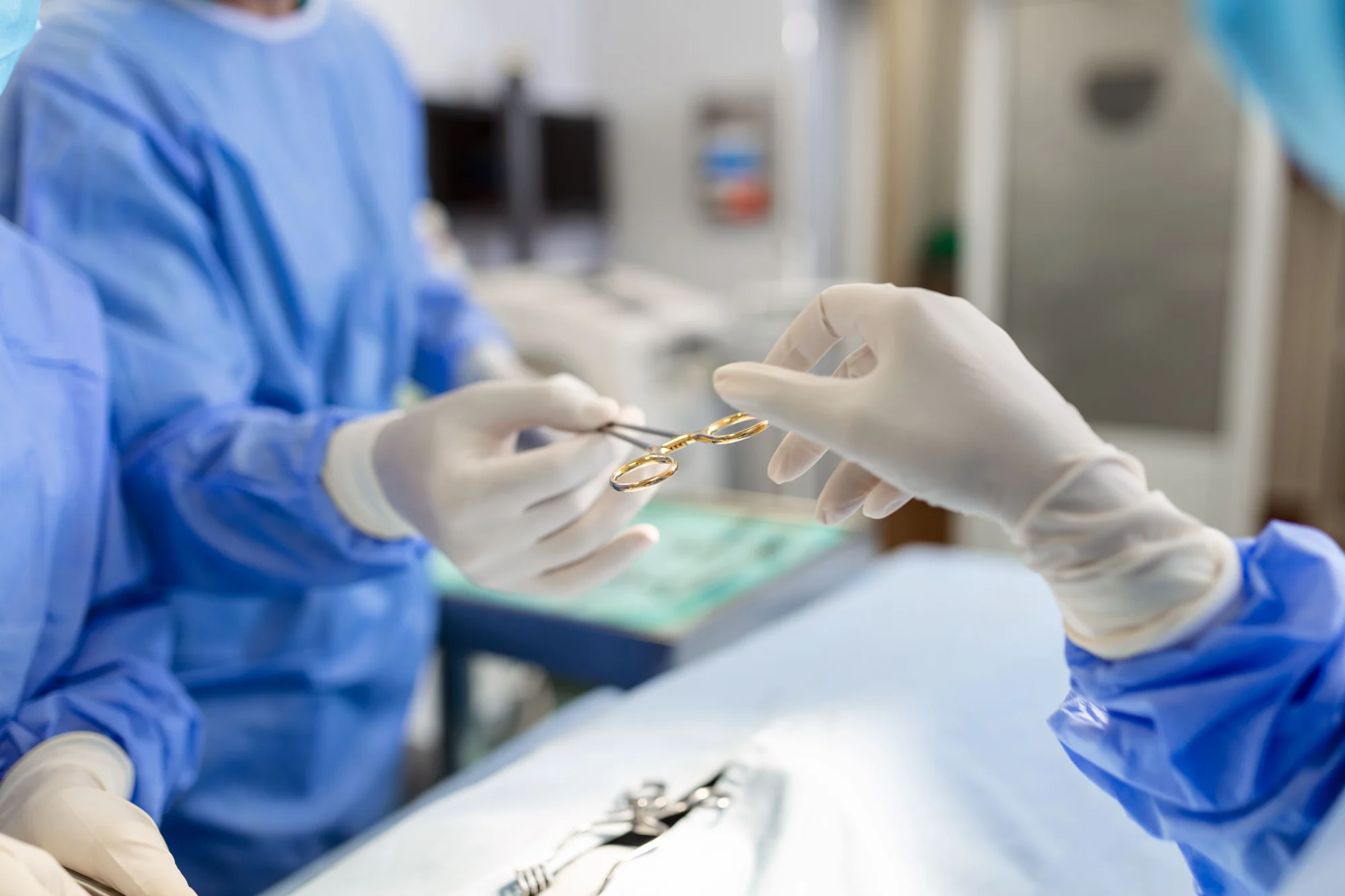
The duodenum is anatomically closely connected to the pancreas, bile ducts, and major blood vessels, which makes the surgical treatment of tumors in this location technically complex and demands a highly qualified surgeon. The extent of the operation is determined by the size and nature of the tumor, its location, and the stage of the disease. For localized lesions, Helios Medical Center favors a laparoscopic approach with a short recovery period. In advanced cases, the extent of the surgical intervention is determined individually. In every case, duodenal cancer treatment is planned based on the results of a comprehensive examination and the specific course of the disease.
Duodenal tumors, the treatment of which depends on the stage of the disease and the extent of the process, require thorough preoperative examination. The main diagnostic method is esophagogastroduodenoscopy (EGD) with biopsy. During the procedure, the doctor examines the mucous lining of the duodenum and takes a sample for morphological analysis. AI-assisted computed tomography makes it possible to assess the extent of the process and detect possible metastases. If necessary, laboratory tests are ordered. The patient can complete the entire diagnostic pathway at Helios Medical Center without needing to visit other facilities.
After laparoscopic removal of a duodenal tumor, the patient usually stays in the hospital for 2 to 5 days under the supervision of medical staff. Further recovery takes place at home and, on average, lasts from 1 to 3 months. During this period, it is important to follow the doctor's recommendations, adhere to a gentle dietary regimen, gradually increase the level of physical activity, and attend follow-up check-ups. When indicated, surgical treatment may be supplemented with a course of chemotherapy. You can book a consultation with a surgeon at Helios Medical Center by calling 067 000 01 50.