Tissue Expansion (Dermotension): Advanced Reconstructive Plastic Surgery Using Your Own Skin


What Is Tissue Expansion?

Tissue expansion (dermotension) is an advanced reconstructive plastic surgery technique that gradually increases the amount of a patient's own skin to repair defects caused by trauma, burns, tumor removal, or congenital deformities. The method is based on the skin's natural ability to stretch and generate new tissue under carefully controlled mechanical tension.

Because tissue expansion uses the patient's own skin, it provides the best possible match in terms of color, texture, thickness, and function, making it one of the most effective reconstructive techniques available today.

At Helyos Medical Center in Dnipro, tissue expansion is performed following comprehensive diagnostic evaluation and individualized surgical planning using modern reconstructive techniques.

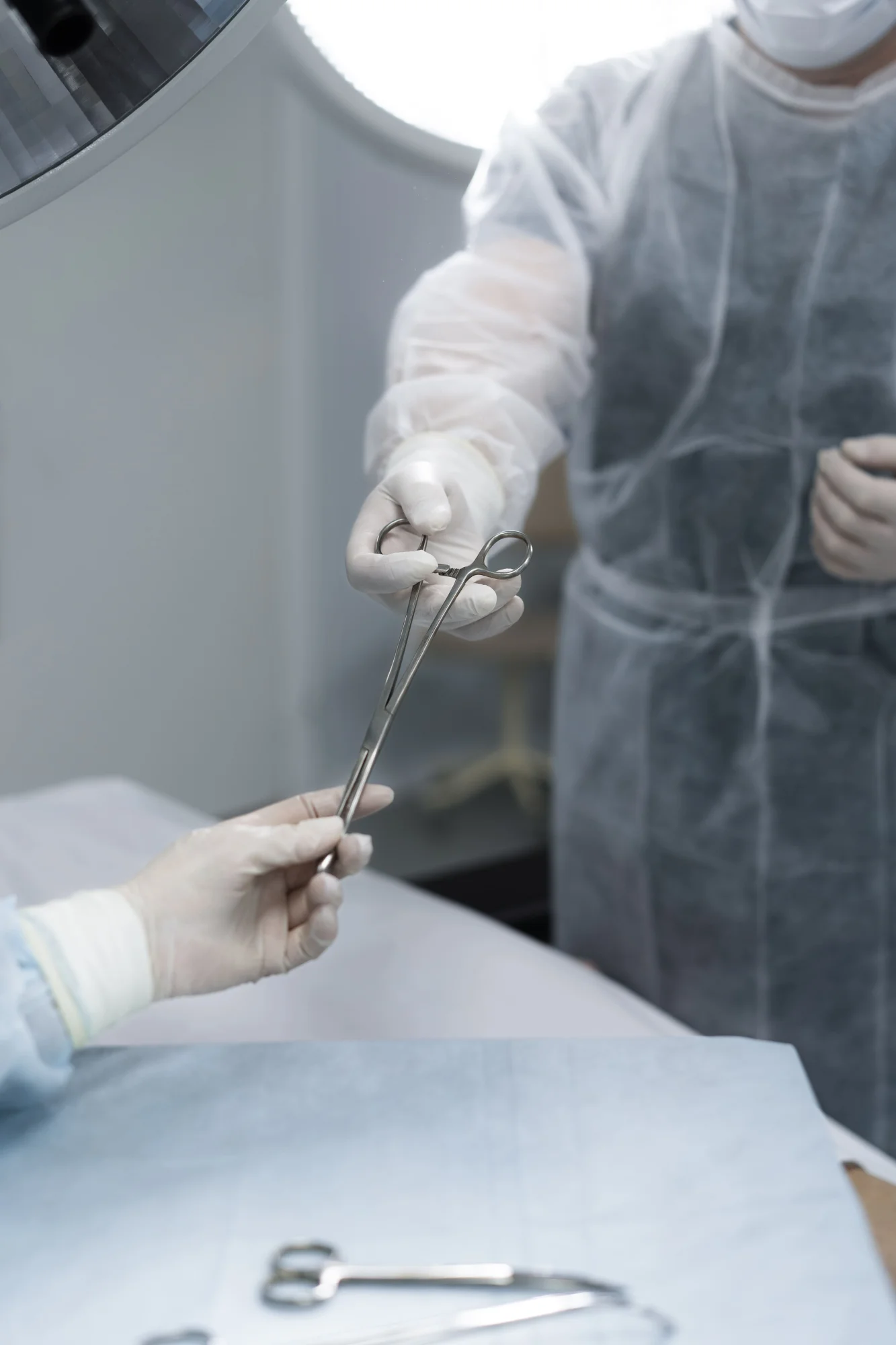
Surgical correction of scars 1

Indications for Tissue Expansion

Tissue expansion is recommended when local tissues are insufficient to reconstruct a defect or when large areas of skin require restoration.

Common indications include:

  • Post-burn skin defects
  • Traumatic soft tissue defects
  • Large postoperative defects
  • Reconstruction following tumor removal
  • Congenital skin defects
  • Scar contractures and deformities
  • Closure of extensive wounds
  • Reconstructive surgery of the scalp, face, and neck

Scalp tissue expansion and lateral neck expansion are particularly valuable because they preserve the natural color, texture, elasticity, and hair-bearing characteristics of the skin.

Types of Tissue Expansion

Acute Tissue Expansion

Acute tissue expansion is performed during a single surgical procedure.

Using specialized surgical devices, the surgeon gradually stretches the wound edges, allowing the defect to be closed without skin grafting.

This technique is most effective for:

  • Small defects
  • Medium-sized defects
  • Areas with sufficient skin elasticity

Tissue Expander Reconstruction

Tissue expander reconstruction is one of the most effective techniques for repairing extensive skin defects.

A specially designed tissue expander is placed beneath the skin and gradually filled with sterile saline over several weeks or months.

As the expander slowly enlarges, new skin is generated, providing sufficient tissue for definitive reconstructive surgery.

How Tissue Expansion Is Performed

Treatment is carried out in several carefully planned stages.

The procedure generally includes:

  1. Consultation with a plastic surgeon
  2. Comprehensive diagnostic evaluation
  3. Selection of the most appropriate tissue expansion technique
  4. Surgical placement of a tissue expander or acute tissue expansion
  5. Ongoing monitoring of tissue expansion
  6. Final reconstructive surgery to close the defect

Treatment duration depends on the size of the defect and the selected technique. When tissue expanders are used, the expansion process may take several weeks or even months.

Benefits and Potential Risks

One of the greatest advantages of tissue expansion is the use of the patient's own skin, resulting in excellent tissue integration and highly natural cosmetic outcomes.

Additional benefits include:

  • Excellent match of skin color and texture
  • Minimal risk of tissue rejection
  • Ability to reconstruct large defects
  • Preservation of normal tissue function
  • Reduced need for skin grafting

Like any surgical procedure, tissue expansion carries certain risks, including infection, bleeding, temporary discomfort, and delayed wound healing. However, when performed according to modern surgical standards and followed by appropriate postoperative care, the risk of complications remains low.

Surgical correction of scars 3
Created with Pixso.
Created with Pixso.

Recovery After Tissue Expansion

Following surgery, patients remain under the supervision of their plastic surgeon.

Special attention is given to:

  • Tissue condition
  • Function of the tissue expander
  • Healing progress

During recovery, patients are advised to:

  • Attend regular follow-up appointments
  • Follow postoperative wound care instructions
  • Avoid strenuous physical activity
  • Protect the tissue expander from trauma
  • Carefully follow all recommendations provided by their surgeon

Proper postoperative care plays a key role in achieving successful reconstructive outcomes.

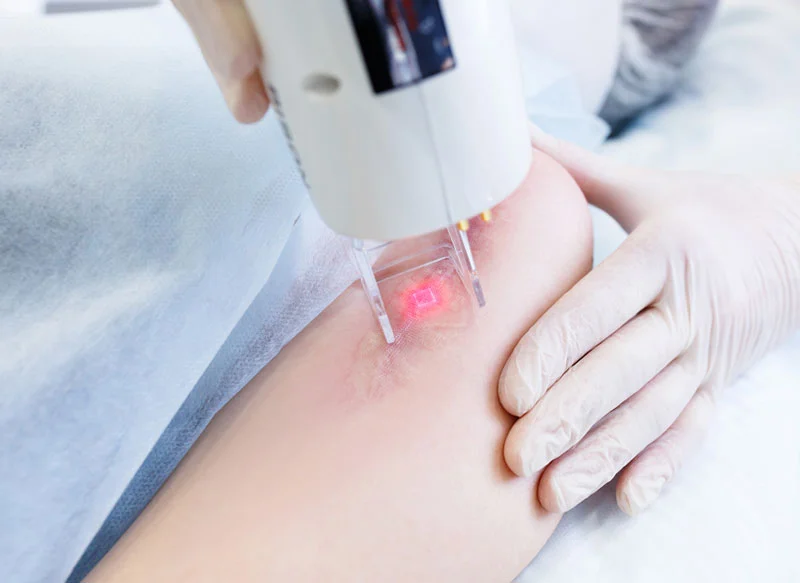
Surgical correction of scars 4

Tissue Expansion at Helyos Medical Center

At Helyos Medical Center, patients receive comprehensive care throughout every stage of treatment—from the initial consultation and diagnostic evaluation to reconstructive surgery and postoperative rehabilitation.

The cost of tissue expansion depends on:

  • Size of the defect
  • Selected reconstructive technique
  • Number of treatment stages
  • Surgical complexity
  • Individual postoperative care requirements

A personalized treatment plan and detailed cost estimate are provided after consultation with a reconstructive plastic surgeon.

Prices

Online consultation with a plastic surgeon
1100 UAH
Consultation with a plastic surgeon
1100 UAH
Make an appointment
Enter your full name
Enter your phone number
Choose a specialist
Choose a specialist
Choose a branch
Choose a branch
img

Scar excision in Dnipro

What are the contraindications to tissue expansion?

The procedure may not be recommended for patients with active infections, uncontrolled chronic illnesses, severe circulatory disorders affecting the treatment area, active cancer, or medical conditions that significantly impair wound healing.

How long does tissue expansion treatment take?

Treatment duration varies depending on the size of the defect. When tissue expanders are used, the process typically requires several weeks to several months before definitive reconstruction can be performed.

Is tissue expansion better than skin grafting?

In many cases, yes. Because the reconstruction uses the patient's own adjacent skin, tissue expansion generally provides superior cosmetic and functional results, particularly in highly visible areas such as the face, scalp, and neck.

Is the procedure painful?

Most patients experience mild discomfort or a feeling of tightness during gradual expansion. These symptoms are usually temporary and can be effectively managed with appropriate medical care.

Will there be scars?

Small surgical scars are unavoidable; however, reconstructive surgeons carefully place incisions and use advanced closure techniques to achieve the best possible aesthetic outcome while restoring normal tissue function.