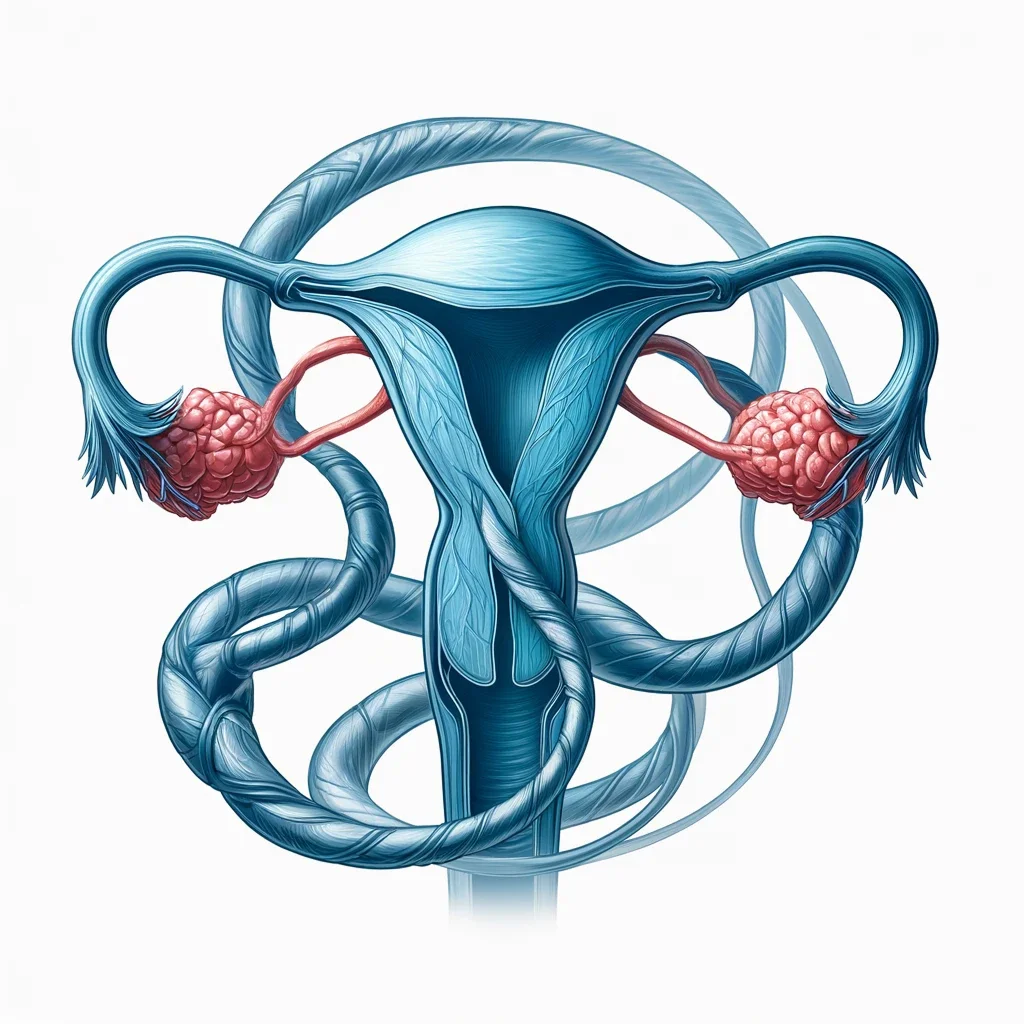
What Is Ovarian (Adnexal) Torsion?
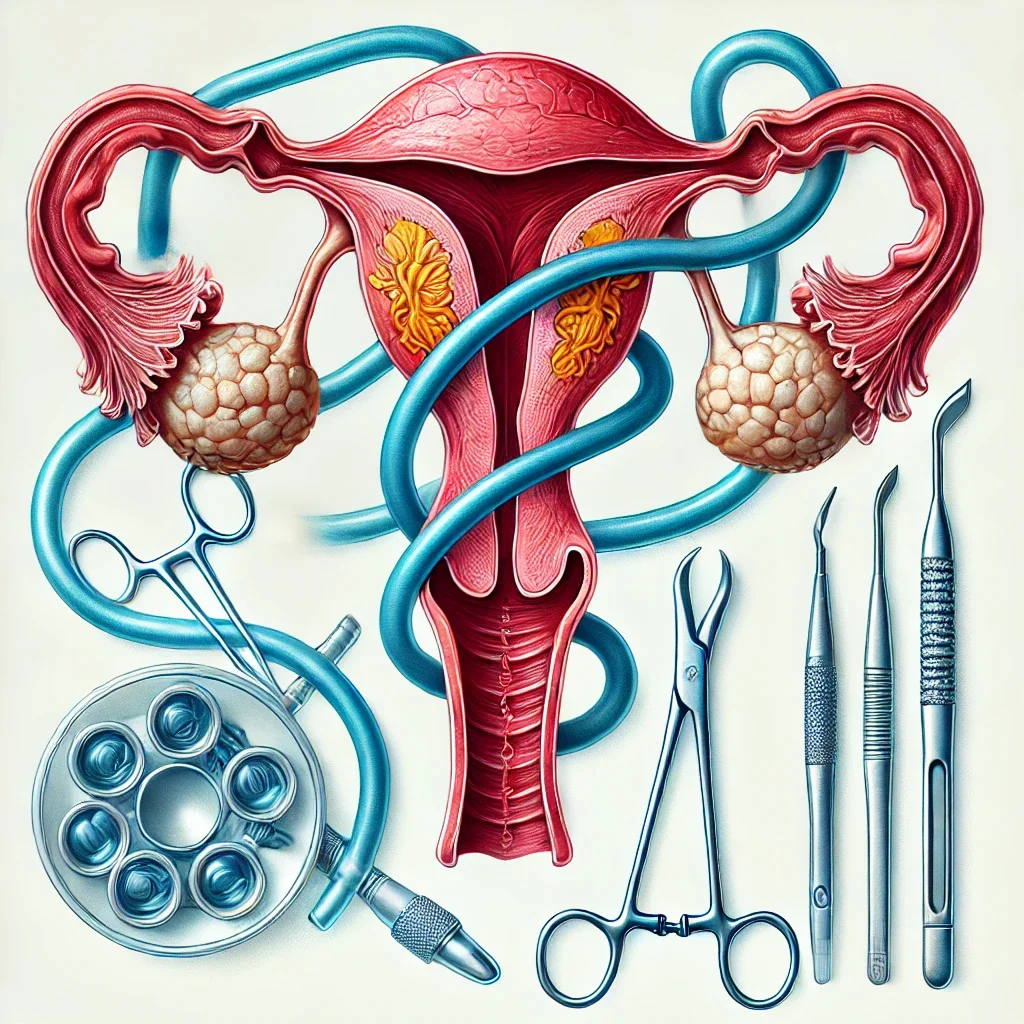
Ovarian torsion (adnexal torsion, adnexal twisting) is a term describing the twisting of the ovary, and often the fallopian tube, around the tissues that support them. This disrupts venous outflow and subsequently the arterial blood supply to the organ. Without emergency care, this leads to ischemia and death of ovarian tissue. The condition most often occurs in women aged 20–40, although it can occur at any age — from childhood to postmenopause.
Causes of Ovarian (Adnexal) Torsion
The most common cause of ovarian torsion is displacement of the organ due to a cyst or other growth. Other risk factors include:
- polycystic ovary syndrome (PCOS);
- hormonal stimulation of the ovaries during infertility treatment;
- pregnancy, especially early pregnancy;
- previous ovarian cyst torsion;
- pelvic adhesions after previous surgeries.
Adnexal torsion occurs more often on the right side. This is presumably related to the anatomical features of the pelvis and the greater mobility of the right adnexa.
Medical fact: a significant proportion of ovarian torsion cases occur during pregnancy, especially in the first trimester. Hormonal changes and increased ligament elasticity during this period create additional conditions for ovarian displacement.
Symptoms of Ovarian (Adnexal) Torsion
Symptoms appear suddenly and are pronounced. The main symptom is acute one-sided lower abdominal pain, which often radiates to the lower back or thigh. Accompanying symptoms:
- nausea and vomiting;
- bloating;
- fever if inflammation develops;
- rapid heartbeat;
- general weakness.
Important! If you experience acute lower abdominal pain accompanied by nausea and vomiting, you should contact Helyos Medical Center or call an ambulance at 7–103. Delay increases the risk of losing the ovary.
Diagnosis of Ovarian (Adnexal) Torsion
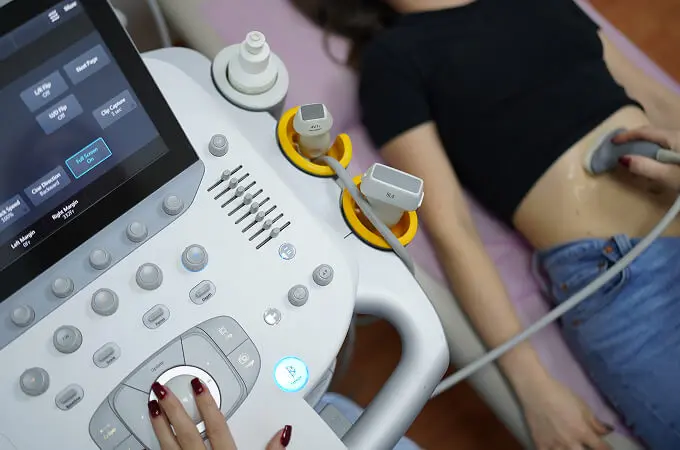
Diagnosis begins with a gynecological examination and medical history. The main diagnostic tool is pelvic ultrasound with assessment of ovarian blood flow. Reduced or absent blood flow on Doppler ultrasound is a sign of torsion, although normal blood flow does not rule it out. When there is a high clinical suspicion of adnexal torsion, a definitive diagnosis is established during laparoscopy.
Laboratory blood tests help assess the presence of an inflammatory process and rule out other causes of acute abdominal pain. You can find out the prices for diagnostics at Helyos Medical Center during a doctor's consultation.
Treatment of Ovarian (Adnexal) Torsion
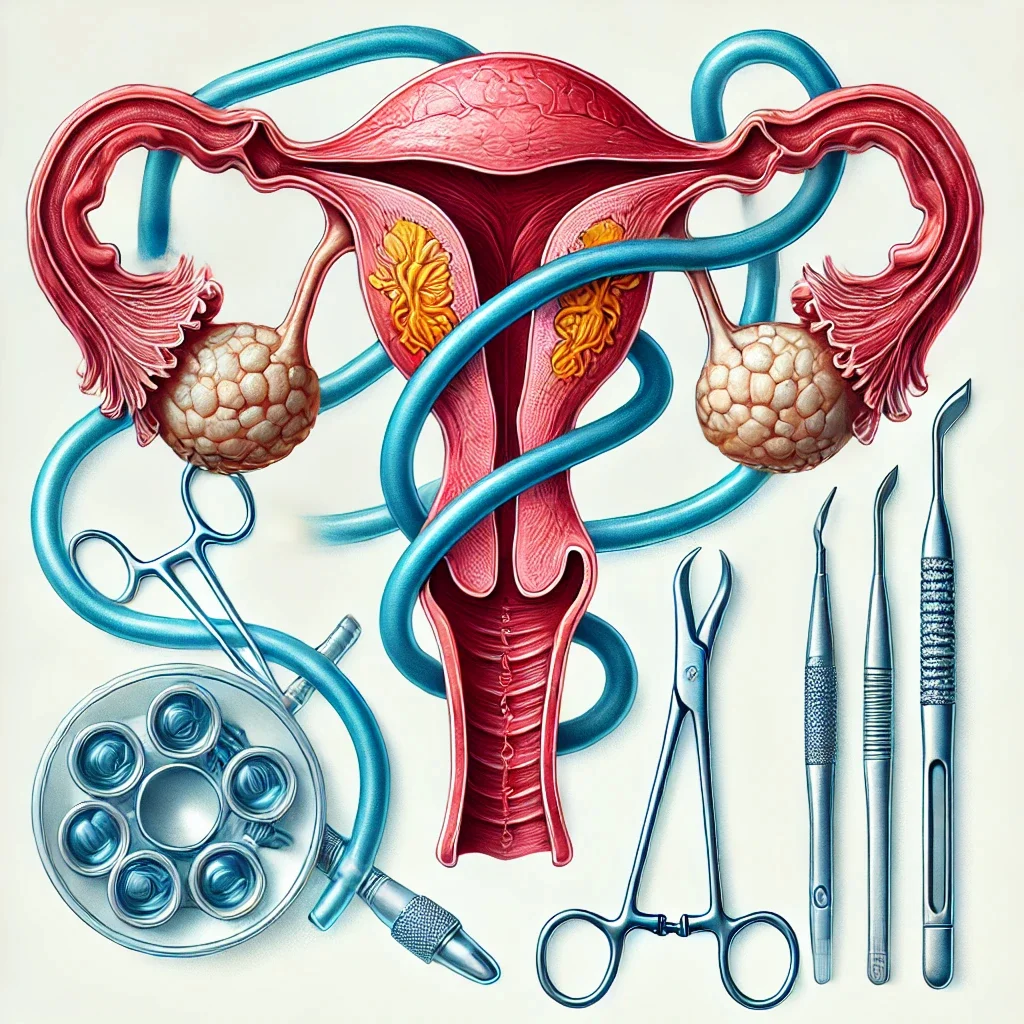
Treatment of adnexal torsion is surgical. At Helyos Medical Center, the operation is performed laparoscopically: this minimally invasive approach allows for rapid detorsion (untwisting the ovary) and assessment of the organ's condition.
If an ovarian cyst caused the torsion, it is removed during the same operation. After laparoscopic surgery, the patient usually stays in the hospital for 1–2 days and returns to normal life within 2–3 weeks.
Prevention of Ovarian (Adnexal) Torsion
It is impossible to completely eliminate the risk of ovarian torsion, but regular gynecological checkups and ultrasounds help detect cysts on a thin stalk and other growths that increase the likelihood of this condition in time. When large ovarian cysts are detected, the gynecologist discusses a monitoring or surgical treatment strategy with the patient.
If you are experiencing acute lower abdominal pain or would like a preventive examination, make an appointment with a gynecologist at Helyos Medical Center. The doctor will perform an examination and order an ultrasound if necessary. You can book an appointment by calling 067 000 01 50.
Prices
Doctors
All Doctors


How is the consultation going?
With timely surgical treatment, the ovary can usually be preserved. If the torsion has led to irreversible tissue necrosis, ovary removal may be necessary. Prolonged disruption of blood supply also increases the risk of infectious complications. This is why the speed of seeking medical care when adnexal torsion is suspected is critical for the prognosis.
With timely treatment of ovarian torsion, reproductive function is usually unaffected. According to current research, fertility is preserved even in cases where the ovary appeared ischemic during surgery. Removing the organ reduces ovarian reserve, but pregnancy remains possible if the other ovary is preserved.
With acute lower abdominal pain, especially accompanied by nausea and vomiting, you should seek medical care immediately, no later than a few hours after symptoms begin. Delay increases the risk of ischemia and death of ovarian tissue. Helyos Medical Center has its own ambulance service, a 24-hour hospital, and the ability to perform emergency surgery.