What Is Hemicolectomy?
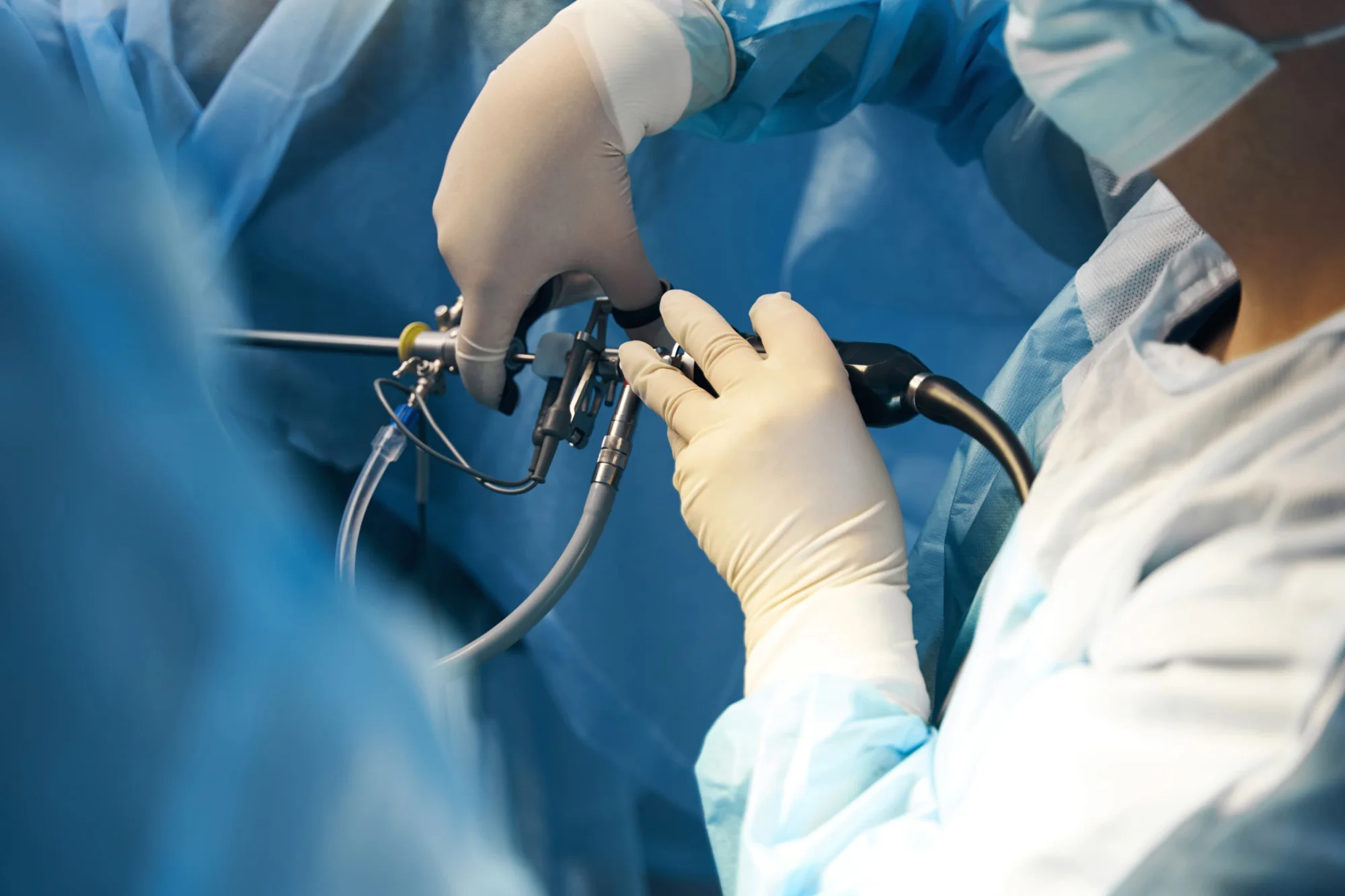
Hemicolectomy is the resection of part of the colon with subsequent restoration of intestinal continuity by creating an anastomosis. After removal of the affected segment, the surgeon joins the remaining sections of the intestine, which helps preserve digestive function.
The intestine has sufficient reserve capacity to compensate for the removal of part of the colon. Most patients return to their usual lifestyle after hemicolectomy, but there are some restrictions in the first few months as the digestive system adapts.
Indications for Hemicolectomy
A surgeon at Helyos Medical Center may recommend performing surgery to remove part of the intestine in the presence of the following diseases and conditions:
- colon cancer — the most common indication;
- large or high-risk colon polyps with signs of malignant transformation;
- severe forms of diverticulitis with complications;
- Crohn's disease or ulcerative colitis when conservative treatment is ineffective;
- intestinal obstruction caused by a tumor or other pathology.
Indications for hemicolectomy are determined based on the results of a comprehensive examination — colonoscopy with biopsy, AI-assisted computed tomography, and laboratory tests.
Types of Hemicolectomy
The choice of surgery type depends on the location of the pathological process in the colon. At Helyos Medical Center, abdominal surgery is performed by a team of top-category specialists using modern laparoscopic surgical techniques.
Right-Sided Hemicolectomy
Right-sided hemicolectomy is performed for lesions of the right sections of the large intestine — the cecum, ascending colon, and part of the transverse colon. After removing the affected segment, the surgeon forms an anastomosis between the small intestine and the colon.
Left-Sided Hemicolectomy
Left-sided hemicolectomy is indicated for lesions of the descending colon and, partially, the transverse and sigmoid colon. After resection, the surgeon restores intestinal continuity by joining the remaining sections.
Preparing for Surgery
Before hemicolectomy, the patient undergoes a preoperative work-up: blood tests, a coagulation panel, and an assessment of cardiovascular function. A few days before surgery, a special diet is prescribed to prepare the intestine. The operation is performed on an empty stomach.
At the preoperative consultation, the surgeon explains the course of the operation to the patient, answers all questions, and discusses the possibility of creating a temporary or permanent colostomy, if needed. The patient receives comprehensive information before the surgical intervention begins.
Course of the Operation
Hemicolectomy at Helyos Medical Center begins with the administration of general anesthesia. The surgeon gains laparoscopic access to the colon — through small incisions in the abdominal wall. The affected segment of the intestine is removed, together with regional lymph nodes if necessary. An anastomosis is then formed to restore the continuity of the digestive tract. In some cases, a temporary or permanent colostomy is created. The operation lasts an average of 2–4 hours.
Postoperative Period and Rehabilitation
After hemicolectomy, the patient stays in the Helyos Medical Center hospital for up to 5 days. During this time, doctors monitor the patient's condition, perform dressing changes, and prescribe the necessary medications.
During the at-home recovery period, which takes from 1 to 6 months depending on the extent of the surgery, it is recommended to:
- follow a diet with gradual expansion of the food range;
- limit physical activity for the period determined by the doctor;
- take the prescribed medications;
- attend scheduled follow-up examinations regularly.
Patients with colon cancer may be prescribed chemotherapy after hemicolectomy if necessary. The treatment plan is determined individually.
Important! Regular follow-up examinations after surgery are a mandatory part of monitoring. They allow doctors to assess intestinal function, detect a possible recurrence at an early stage, and adjust the treatment strategy in time.
Prognosis and Quality of Life After Hemicolectomy
The results of hemicolectomy largely depend on the stage of the disease at which the patient sought medical care. When colon cancer is detected early, radical resection provides good long-term results.
After surgery, patients gradually return to their usual pace of life. The digestive system adapts over several months, and the doctor prepares the patient for this period in advance, giving specific recommendations on nutrition and physical activity.
If you would like a surgical consultation regarding hemicolectomy, contact Helyos Medical Center. The doctor will answer all your questions and help you choose the optimal treatment plan. You can book an appointment by calling 067 000 01 50.

Prices


How is the consultation going?
The price of the operation depends on its type, extent, method of access, and length of hospital stay. The cost of hemicolectomy at Helyos Medical Center can be clarified during a consultation with the surgeon after the examination results are evaluated.
For small polyps or tumors at a very early stage, endoscopic removal during colonoscopy is possible. For inflammatory bowel disease, conservative treatment is used first. However, in the case of colon cancer and most complicated conditions, hemicolectomy remains the treatment of choice. Currently, there is no alternative that provides a comparable result.
After laparoscopic hemicolectomy, the patient stays in the hospital for 3–7 days. The full rehabilitation period takes from 1 to 6 months depending on the extent of the surgery. In most cases, patients can return to work not involving heavy physical exertion after 3–4 weeks.
As a rule, during a planned hemicolectomy, the surgeon forms an anastomosis (a connection between the remaining sections of the intestine) without creating a colostomy. A temporary colostomy may be required for emergency operations or in situations where creating an anastomosis is technically impossible.
For colon cancer, the prognosis largely depends on the stage of the disease. In early stages, radical hemicolectomy provides good long-term results. For inflammatory bowel disease, the operation eliminates complications and significantly improves quality of life.