Indications for Blepharoplasty
Blepharoplasty may be recommended for patients with:
- Excess skin of the upper eyelids
- Drooping upper eyelids
- Fat pads ("bags") beneath the eyes
- Loose skin of the lower eyelids
- Wrinkles around the eyes
- Impaired peripheral vision caused by excess upper eyelid skin
- Age-related eyelid changes
- A desire to achieve a more youthful appearance
Upper blepharoplasty is particularly beneficial for patients who wish to eliminate hooded eyelids and create a more open, refreshed look.
Contraindications
Although blepharoplasty is considered a safe procedure, surgery may not be recommended for patients with:
- Acute infectious diseases
- Severe blood clotting disorders
- Uncontrolled diabetes mellitus
- Serious ophthalmic diseases
- Active cancer
- Pregnancy
- Breastfeeding
Before surgery, every patient undergoes a consultation, comprehensive medical evaluation, and preoperative assessment.
Types of Blepharoplasty
Upper Blepharoplasty
Upper blepharoplasty removes excess skin and fat from the upper eyelids.
The procedure can:
- Eliminate hooded eyelids
- Create a more open, youthful appearance
- Improve peripheral vision when excess skin obstructs the visual field
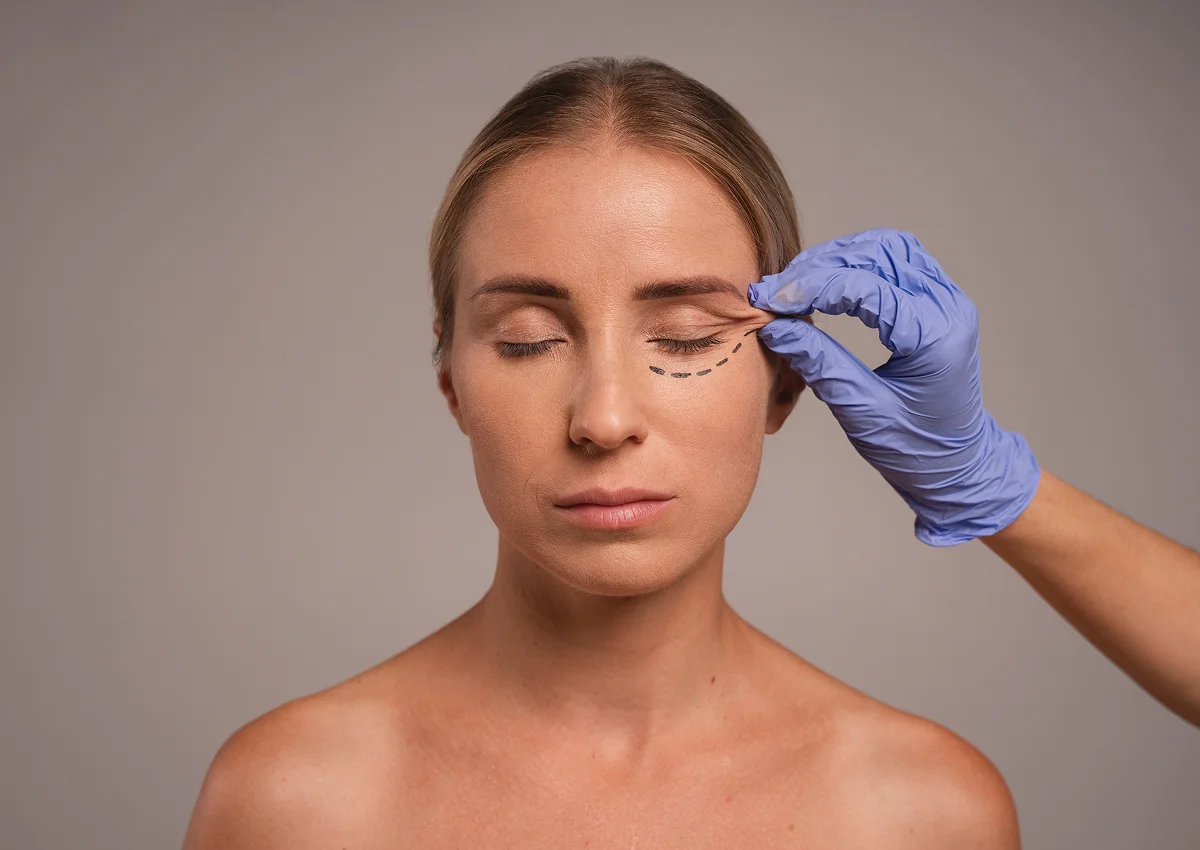
The incision is carefully placed within the natural crease of the upper eyelid, making the scar virtually invisible after healing.
Lower Blepharoplasty
Lower blepharoplasty is designed to correct:
- Under-eye bags
- Fat herniation
- Excess skin
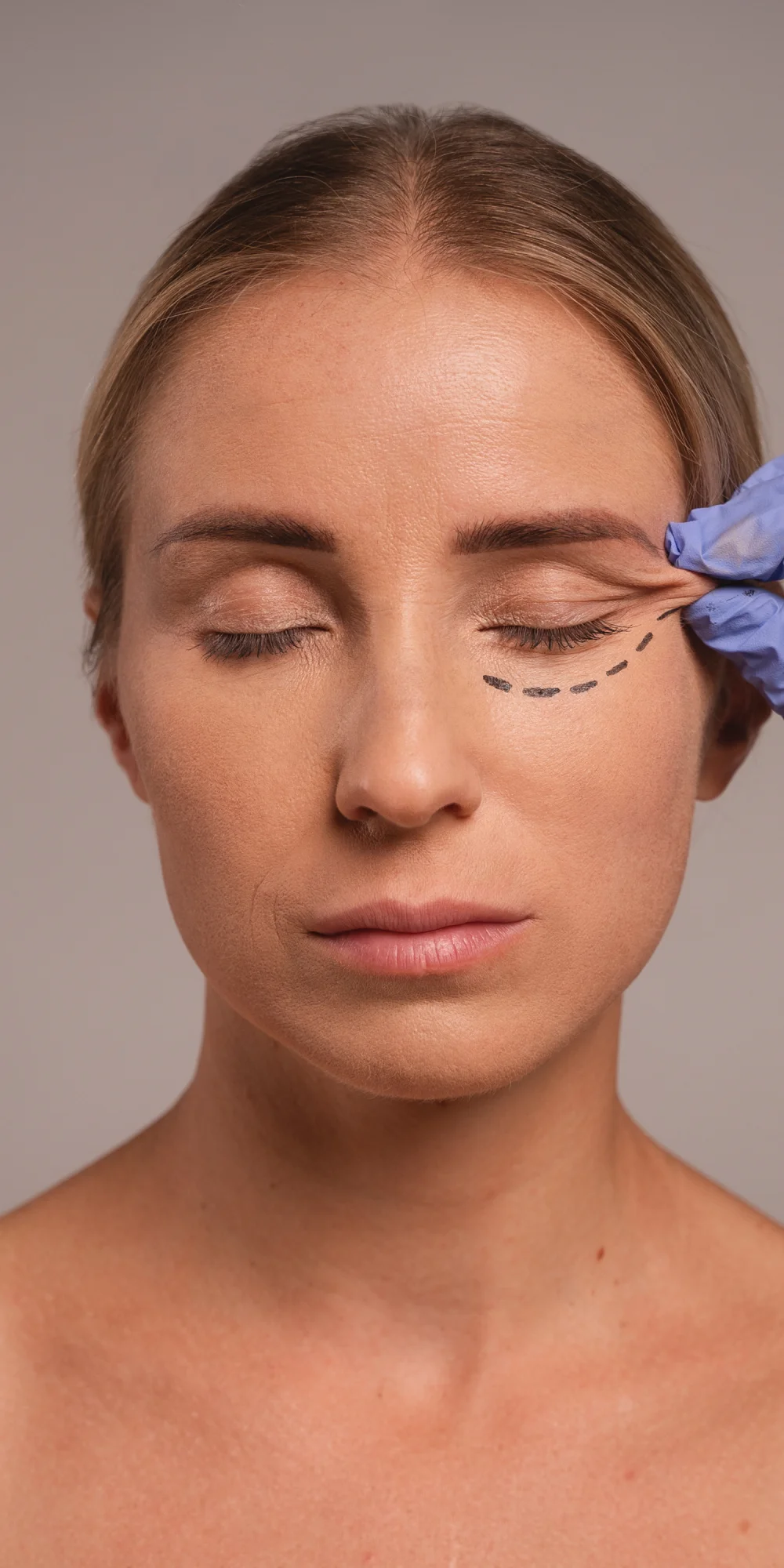
- Wrinkles beneath the eyes
The procedure smooths the lower eyelid contour and restores a more youthful facial appearance.
Transconjunctival Blepharoplasty
Transconjunctival blepharoplasty is performed through the inside of the lower eyelid, leaving no external incision.
This technique is most appropriate for patients with prominent under-eye fat pads but minimal excess skin.
Because there is no external scar, recovery is typically faster while maintaining excellent cosmetic results.
Preparing for Surgery
Before blepharoplasty, patients undergo a complete preoperative evaluation that typically includes:
- Consultation with a plastic surgeon
- Medical history review
- Physical examination
- Laboratory testing
- Ophthalmic assessment when indicated
- Preoperative photography
- Surgical planning
Patients may be advised to discontinue medications that increase bleeding risk and to stop smoking before surgery.
How Blepharoplasty Is Performed
Blepharoplasty is usually performed under local anesthesia with sedation or general anesthesia, depending on the extent of correction.
The procedure generally includes:
- Preoperative markings.
- Precise surgical incisions.
- Removal or repositioning of excess fat.
- Excision of excess skin when necessary.
- Tightening of supporting tissues if indicated.
- Closure with fine cosmetic sutures.
The operation usually takes 1–2 hours, depending on whether both the upper and lower eyelids are treated.
Recovery After Blepharoplasty
During the first few days after surgery, patients may experience:
- Mild swelling
- Bruising
- Temporary tearing
- Mild discomfort
- Increased sensitivity around the eyes
These symptoms gradually improve over one to two weeks.
To promote optimal healing, patients should:
- Apply cold compresses as instructed
- Avoid strenuous physical activity
- Protect the eyes from excessive sunlight
- Avoid rubbing the eyelids
- Attend all scheduled follow-up appointments
Most patients return to normal daily activities within 7–14 days.
Results and Benefits
Blepharoplasty provides both aesthetic and functional improvements.
The procedure can:
- Rejuvenate the eye area
- Eliminate hooded eyelids
- Remove under-eye bags
- Improve peripheral vision
- Restore a rested, refreshed appearance
- Increase self-confidence
The results are long-lasting and contribute to a naturally youthful facial appearance.
Blepharoplasty at Helyos Medical Center
At Helyos Medical Center, every blepharoplasty procedure is tailored to the patient's anatomy, aesthetic goals, and overall health.
The cost of eyelid surgery depends on:
- Whether upper, lower, or combined blepharoplasty is performed
- Surgical complexity
- Type of anesthesia
- Individual postoperative care requirements
A personalized treatment plan and detailed cost estimate are provided after consultation with a plastic surgeon.