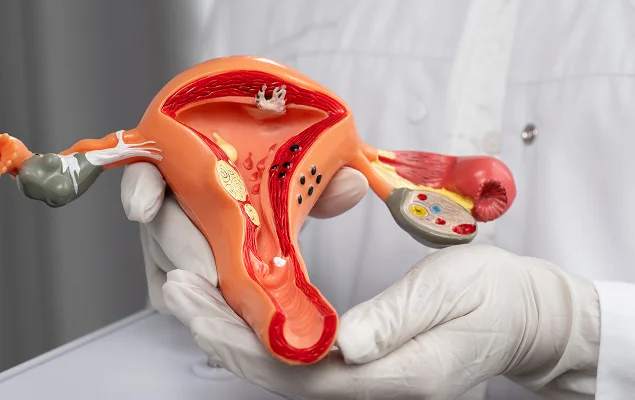
Removal of Uterine Fibroids (Fibromyoma, Leiomyoma) at the Helyos Surgery and Rehabilitation Center


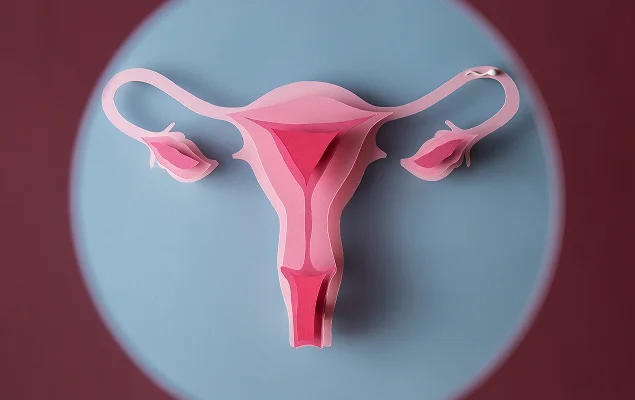
Uterine fibroids (also known as fibromyoma or leiomyoma) are benign growths in the uterus that can cause pain, heavy menstrual bleeding, infertility, or other gynecological issues. At the Helyos Surgery and Rehabilitation Center, we provide high-quality treatment and fibroid removal services using modern techniques to ensure effective treatment while minimizing risks.

Removal of fibroids (fibroids, leiomyomas) 1

Indications for Fibroid Removal:

  • Heavy bleeding: Excessive menstrual or intermenstrual bleeding that does not decrease with conservative treatment.
  • Lower abdominal pain: Persistent or periodic pain caused by fibroid growth.
  • Infertility or pregnancy difficulties: Fibroids that alter the shape of the uterus or interfere with embryo implantation.
  • Asymptomatic but growing fibroids: An enlarging fibroid that may pose a health risk.
  • Pelvic organ deformation: Urinary or bowel issues due to fibroid pressure on nearby organs.
  • Large fibroid size: A significantly enlarged fibroid that requires surgical removal.
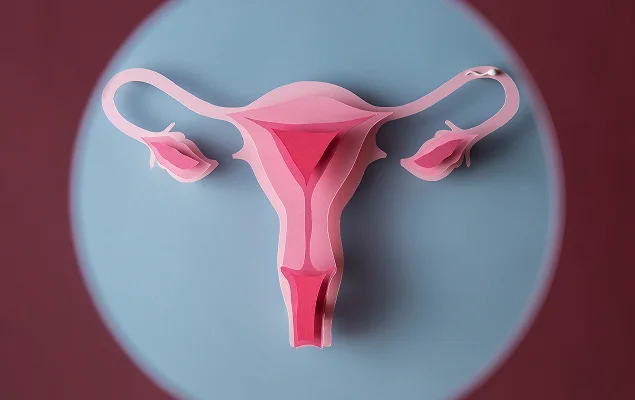
Preoperative Preparation:

  • Doctor's consultation: A comprehensive evaluation and necessary tests.
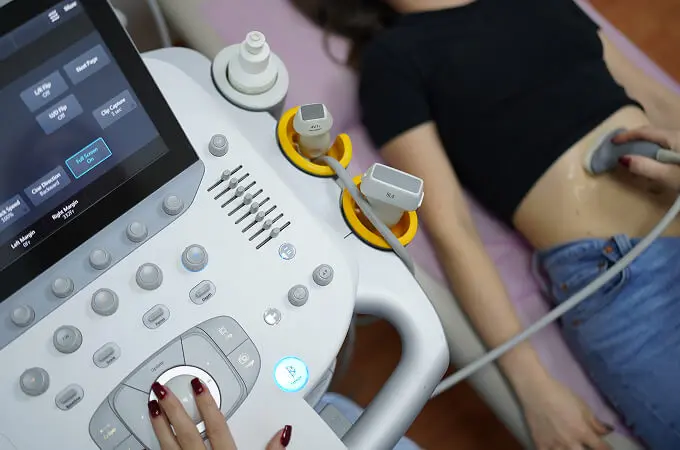
  • Examinations: Ultrasound, blood tests, hormonal tests, and other diagnostic methods to assess fibroid size and impact.
  • Specialist consultations: If needed, consultations with a therapist, cardiologist, or other specialists to assess overall health.
  • Medication preparation: In some cases, medications may be prescribed to reduce bleeding risk or prepare the body for surgery.
  • Diet and bowel cleansing: Instructions for preoperative diet and bowel preparation.
  • Hygiene procedures: Specific preoperative hygiene recommendations.
Removal of fibroids (fibroids, leiomyomas) 3
Created with Pixso.
Created with Pixso.

Surgical Treatment Options:

1.Minimally Invasive Procedures:

  • Laparoscopic surgery: A minimally invasive method using small incisions to insert surgical instruments and a camera, reducing recovery time and post-surgical risks.
  • Hysteroscopy: A procedure where a special instrument is inserted through the cervix to remove fibroids inside the uterus, commonly used for submucosal fibroids.
  • Abdominal surgery: An open procedure involving a larger incision in the lower abdomen, used for large or complex fibroids.

2.Postoperative Recovery:

  • Hospital stay: After surgery, patients remain under medical supervision.
  • Rehabilitation: Guidelines on physical activity, diet, and medications for a smooth recovery.
  • Follow-up visits: Regular check-ups and ultrasounds to monitor uterine healing and prevent recurrence.
Removal of fibroids (fibroids, leiomyomas) 4

Advantages of Treatment at Helyos:

  • Personalized approach: Individual treatment plans tailored to each patient.
  • Advanced equipment: Modern diagnostic and surgical technology.
  • Experienced surgeons: Specialists with extensive experience in fibroid surgery.
  • 24/7 inpatient care: Comfortable postoperative recovery in a well-equipped facility.
  • Comprehensive rehabilitation: Support for a quick return to normal life.

For consultations or more information, please contact the Helyos Surgery and Rehabilitation Center via phone or email.

Removal of fibroids (fibroids, leiomyomas) 5

Prices

Gynecologist consultation
700 UAH
Follow-up consultation / Treatment appointment
650 UAH
OB-GYN consultation (highest category specialist)
750 UAH
Follow-up OB-GYN consultation (highest category specialist)
700 UAH

How is the consultation going?

Medical history assessment:

Medical history assessment: The doctor asks about symptoms, menstrual cycle history, past illnesses, and factors influencing fibroid growth.

Gynecological examination:

Includes cervical examination, pelvic organ assessment, and tumor detection.

Ultrasound (USG):

Determines fibroid size, location, and number.

Magnetic Resonance Imaging (MRI):

If needed, for a detailed evaluation of fibroid structure and impact on surrounding tissues.

Laboratory tests:

Blood tests, hormone analysis, and other evaluations to determine the best treatment strategy.

Make an appointment
Enter your full name
Enter your phone number
Choose a specialist
Choose a specialist
Choose a clinic
Choose a clinic
img