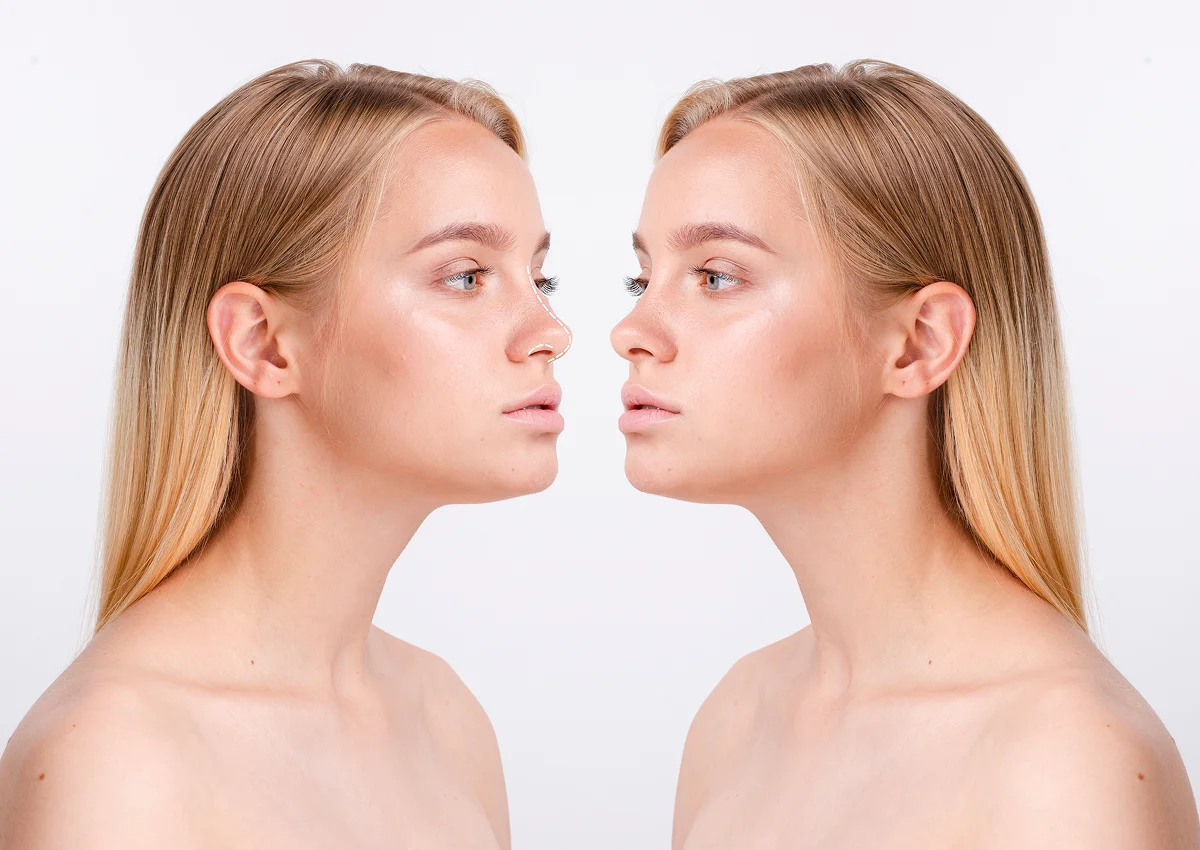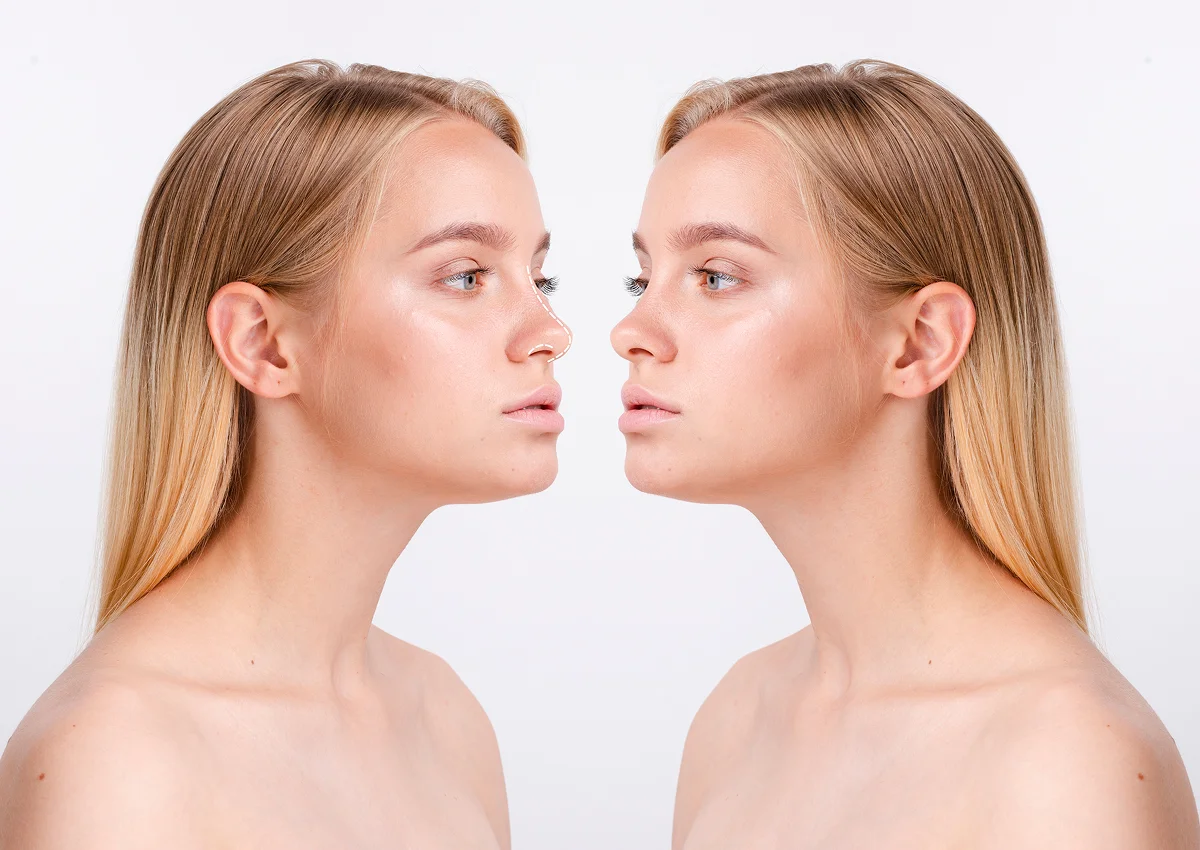
Rhinoplasty: Modern Cosmetic Surgery for Improving the Appearance and Function of the Nose


What Is Rhinoplasty?

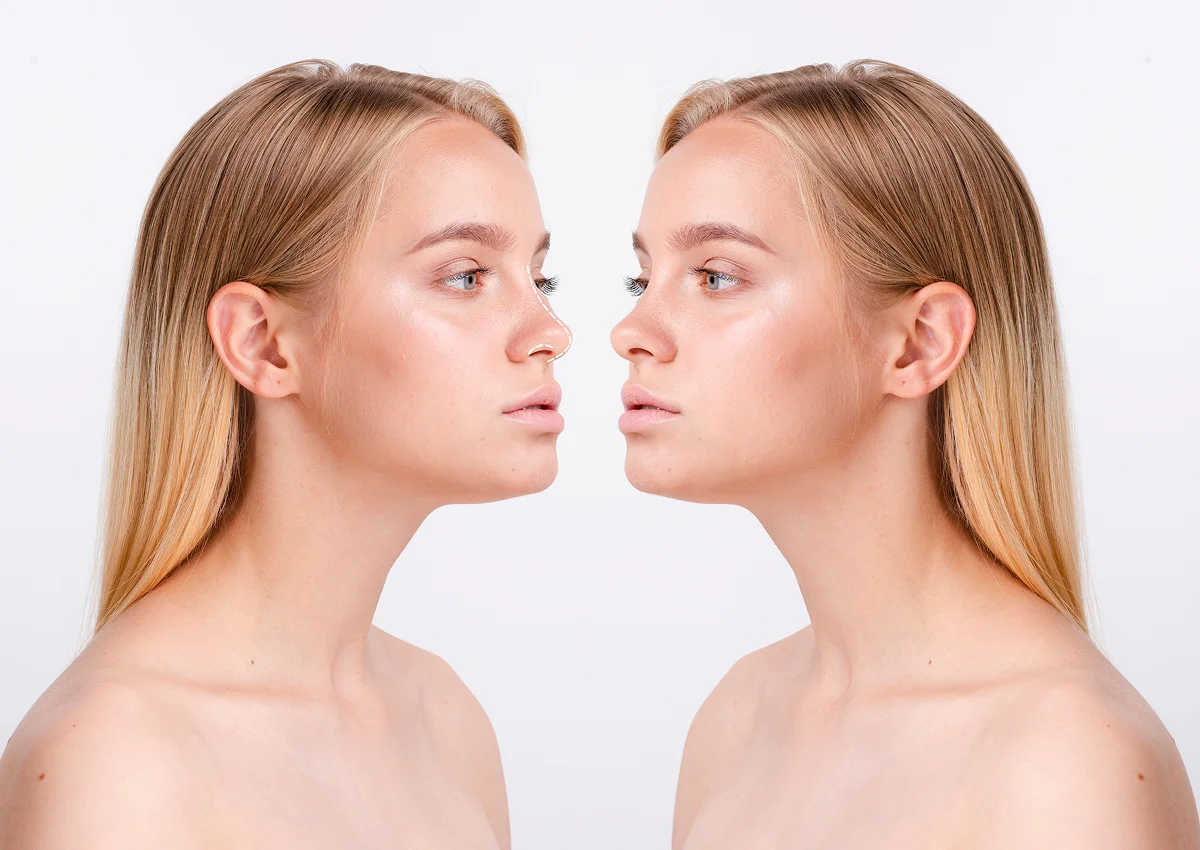
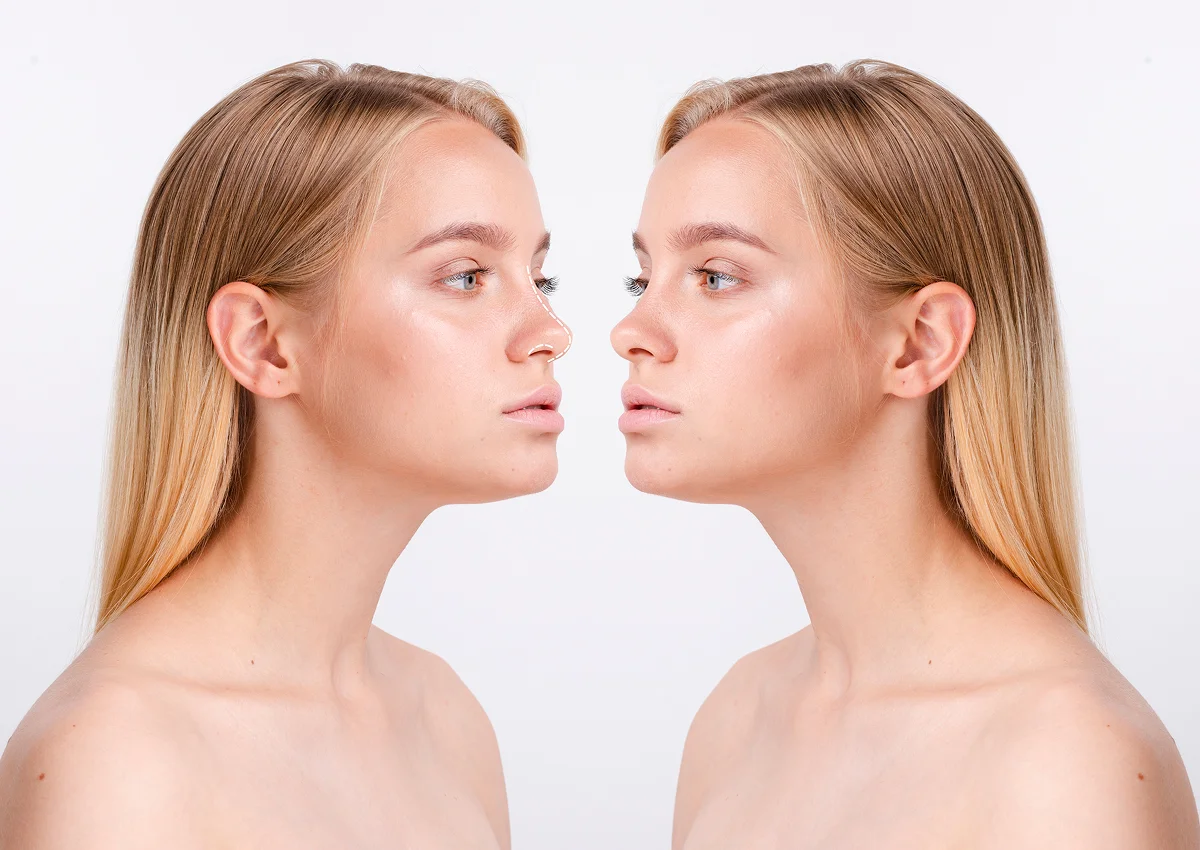
Rhinoplasty is a surgical procedure designed to reshape the nose by altering its size, contour, or anatomical structure. It may be performed for cosmetic reasons to enhance facial harmony or for functional purposes to improve breathing following trauma, congenital abnormalities, or previous nasal conditions.

Modern rhinoplasty techniques enable surgeons to create natural-looking results while preserving or restoring normal nasal function. Before surgery, each patient undergoes a comprehensive consultation, diagnostic evaluation, and medical assessment to determine the safest and most effective surgical approach.

At Helyos Medical Center in Dnipro, rhinoplasty is performed by experienced plastic surgeons using advanced surgical techniques and a personalized approach tailored to each patient's needs.

Rhinoplasty 1

Indications and Contraindications

Rhinoplasty may be recommended for patients seeking either aesthetic enhancement or functional correction.

Indications include:

  • Dorsal hump
  • Deviated nasal septum
  • Nasal deformities following injury
  • Nasal asymmetry
  • Wide or narrow nasal tip
  • Disproportionately large or small nose
  • Difficulty breathing through the nose

Although rhinoplasty is considered a safe procedure, certain medical conditions may prevent surgery.

Contraindications include:

  • Acute infectious diseases
  • Bleeding disorders
  • Uncontrolled diabetes mellitus
  • Severe cardiovascular disease
  • Active malignancy
  • Pregnancy
  • Breastfeeding

The decision to proceed with surgery is made only after a thorough medical examination and consultation with a plastic surgeon.

Types of Rhinoplasty

Open Rhinoplasty

Open rhinoplasty involves a small incision across the columella—the strip of tissue separating the nostrils—providing the surgeon with excellent visualization of the nasal framework.

This technique is typically recommended for complex reconstructive procedures, significant deformities, or revision surgery.

Closed Rhinoplasty

Closed rhinoplasty is performed through incisions made entirely inside the nostrils, leaving no visible external scars.

Because the soft tissues remain largely undisturbed, this technique generally results in:

  • Less postoperative swelling
  • Reduced tissue trauma
  • Faster recovery

The most appropriate surgical approach is selected based on the patient's anatomy and desired outcome.

Primary and Revision Rhinoplasty

Primary rhinoplasty is performed on patients undergoing nasal surgery for the first time.

Revision rhinoplasty is a secondary procedure designed to correct functional or cosmetic issues following previous nasal surgery. Because scar tissue and altered anatomy make revision surgery more technically demanding, it requires extensive surgical expertise.

Rhinoplasty 3
Created with Pixso.
Created with Pixso.

The Rhinoplasty Procedure

Each rhinoplasty procedure follows an individualized treatment plan but generally includes the following stages:

  1. Initial consultation with a plastic surgeon
  2. Comprehensive medical evaluation and laboratory testing
  3. Surgical planning and digital assessment
  4. Rhinoplasty performed under general anesthesia
  5. Postoperative observation
  6. Scheduled follow-up visits throughout recovery

The procedure typically lasts between 1.5 and 3 hours, depending on its complexity.

Rhinoplasty 4

Recovery After Rhinoplasty

Patients remain under medical supervision immediately after surgery. Mild swelling, bruising, and temporary discomfort are common during the early recovery period and gradually improve over time.

For optimal healing, patients are advised to:

  • Avoid strenuous physical activity
  • Refrain from wearing eyeglasses until approved by the surgeon
  • Avoid saunas, steam rooms, and swimming pools
  • Protect the nose from accidental injury
  • Carefully follow all postoperative instructions

Initial improvements become noticeable once the majority of swelling subsides. However, the final shape of the nose continues to develop over the following several months.

Rhinoplasty at Helyos Medical Center

At Helyos Medical Center, patients receive comprehensive care throughout every stage of treatment—from the initial consultation to complete postoperative recovery.

The cost of rhinoplasty depends on several factors, including:

  • Surgical complexity
  • Type of rhinoplasty performed
  • Individual anatomical characteristics
  • Additional corrective procedures, if required

Following a comprehensive consultation, your plastic surgeon will develop a personalized treatment plan and provide a detailed cost estimate.

Rhinoplasty 5

Prices

Online consultation with a plastic surgeon
1100 UAH
Consultation with a plastic surgeon
1100 UAH
Make an appointment
Enter your full name
Enter your phone number
Choose a specialist
Choose a specialist
Choose a branch
Choose a branch
img

Nose Correction in Dnipro

How should I prepare for rhinoplasty?

Preparation includes a consultation with a plastic surgeon, laboratory testing, diagnostic imaging, and careful adherence to all preoperative instructions.

How long does recovery take?

Most patients recover sufficiently to return to normal daily activities within 2–4 weeks. However, complete healing and final refinement of the nasal contours typically require 6–12 months.

What restrictions should I follow after surgery?

During recovery, patients should avoid strenuous exercise, excessive heat exposure, alcohol consumption, wearing eyeglasses, and any activity that could place pressure on the nose until healing is complete.

When will I see the final results?

Although significant improvements become visible within the first few weeks, the final surgical outcome is usually evaluated after 6–12 months, once all residual swelling has resolved.