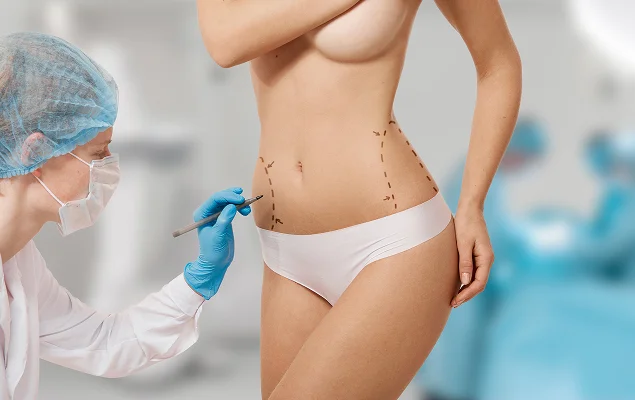
Abdominoplasty: Modern Tummy Tuck Surgery for a Firmer, More Contoured Abdomen


What Is Abdominoplasty?

Abdominoplasty, commonly known as a tummy tuck, is a body contouring procedure that removes excess skin and fat from the abdomen while restoring the firmness of the abdominal wall. In many cases, the procedure also includes repair of diastasis recti (separation of the abdominal muscles), creating a flatter, stronger, and more defined abdominal contour.

Abdominoplasty is most frequently performed after pregnancy, significant weight loss, or age-related changes, when loose skin and weakened abdominal muscles cannot be corrected through diet and exercise alone.

At Helyos Medical Center in Dnipro, abdominoplasty is performed using advanced surgical techniques that provide safe treatment and natural, long-lasting aesthetic results.

Photo of Abdominal plastic surgery 1

Prices

Online consultation with a plastic surgeon
1 100 UAH
Consultation with a plastic surgeon
1 100 UAH
Abdominoplasty from
80000 UAH

How is the consultation going?

Where is the scar after abdominoplasty and how is it cared for?

The incision runs horizontally across the lower abdomen, above the pubic area, positioned so that it hides completely under underwear and swimwear. The classic technique adds a small scar around the navel.

A scar matures over about a year: for the first 4–6 weeks it is pink and firm, then it gradually fades and softens. Silicone sheets or gels, compression garments and sun protection help it settle neatly. If you are prone to hypertrophic scarring, laser resurfacing is an option, discussed no earlier than 6–12 months afterwards.

When can I return to sport and normal activity?

Walking is allowed from the first day — short distances, slightly bent forward. Desk work is usually possible after 2–3 weeks. Lifting and abdominal loading are off limits for 6–8 weeks, until the repaired muscles have healed.

Light cardio returns at around week 6; strength training and abdominal exercise no earlier than 2–3 months, and only with the surgeon's approval. Sleeping on your stomach is usually permitted after 4–6 weeks. Compression garments are worn around the clock for the first 4 weeks.

When is the final result visible?

The main swelling settles within the first 4–6 weeks, and the new silhouette is already apparent then. The final contour, however, is judged at 3–6 months, once residual swelling has gone and the tissues have settled. The scar's appearance stabilises later, at around 9–12 months.

Before-and-after photographs are therefore only fairly compared from six months after surgery.

Will the result last through weight gain or a pregnancy?

Removed skin and repaired muscle do not come back, so the underlying result is durable. The fat cells remaining in the area can still enlarge, however: gaining 8–10 kg or more visibly changes the contour. Surgeons therefore ask you to come to surgery at a stable weight and to hold it.

Pregnancy after abdominoplasty is possible and not contraindicated — you can carry and deliver, including vaginally. But stretching of the abdominal wall can separate the repaired muscles again, and the aesthetic result will likely need revision. If a pregnancy is planned, it is wiser to postpone the operation.
Make an appointment
Enter your full name
Enter your phone number
Choose a specialist
Choose a specialist
Choose a branch
Choose a branch

FAQ

How long does recovery take after abdominoplasty?

The initial recovery period generally lasts 4–6 weeks, while complete healing and final body contour refinement may require 3–6 months.

Can diastasis recti be repaired during abdominoplasty?

Yes. Repair of diastasis recti is commonly performed during abdominoplasty whenever separation of the abdominal muscles is present.

Will there be visible scars?

The incision is placed low on the abdomen so that it can usually be concealed beneath underwear or swimwear. Over time, the scar gradually fades and becomes less noticeable.

Can abdominoplasty be combined with other plastic surgery procedures?

Yes. Abdominoplasty is frequently combined with liposuction, breast surgery, or other body contouring procedures, depending on the patient's goals and overall health.

Are the results permanent?

The results are long-lasting, provided the patient maintains a stable body weight and follows a healthy lifestyle. Pregnancy or significant weight fluctuations may affect the long-term outcome.

Who abdominoplasty is for

The operation solves what diet and training cannot. A tummy tuck is indicated when significant weight loss has left an apron of skin, when pregnancy has separated the rectus muscles (diastasis), when there are stretch marks and scars in the lower abdomen, or when the abdominal wall has descended with age. Dieting reduces fat volume but does not shrink stretched skin — which is why excess skin is removed surgically.

Surgery is not planned until weight is stable, or while a pregnancy is planned in the near future: both change the result.

Techniques: what to choose

Classic abdominoplasty addresses the whole abdominal wall, allows the diastasis to be repaired and the navel to be repositioned. Mini-abdominoplasty treats only the area below the navel, leaves a shorter scar and is easier to recover from, but suits only a small skin excess. Abdominoplasty combined with liposuction adds removal of localised fat at the waist and flanks and usually gives the most defined contour.

Anaesthesia, duration and stay

The procedure is performed under general anaesthesia and usually takes two to four hours depending on its extent. The surgeon gives the price for your case after an examination: it depends on the technique, the amount of work and whether diastasis repair is needed. Current prices are listed in the section below.