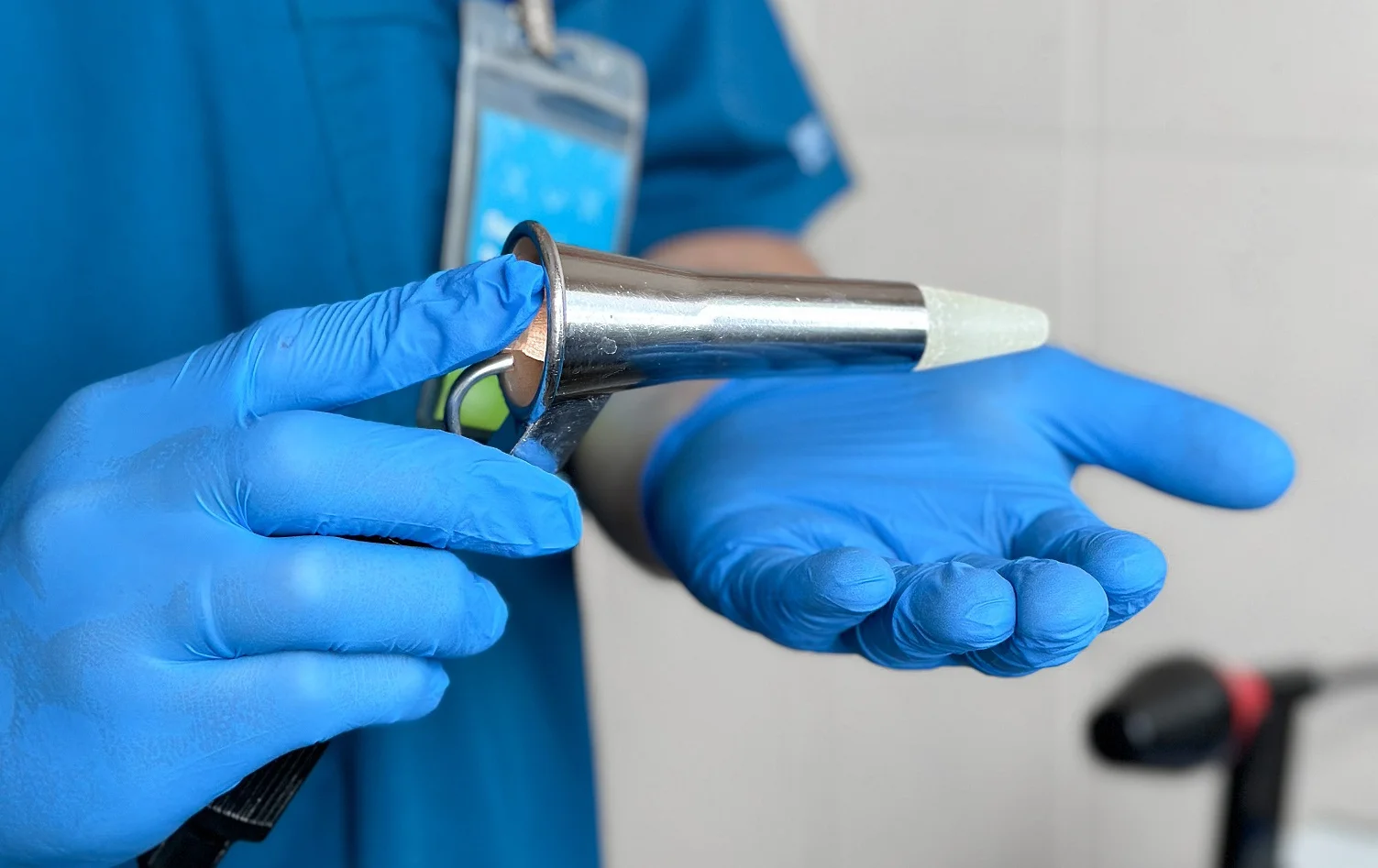
What are rectal polyps?
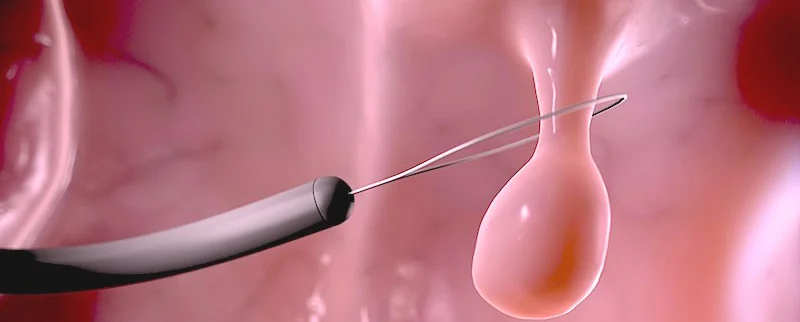
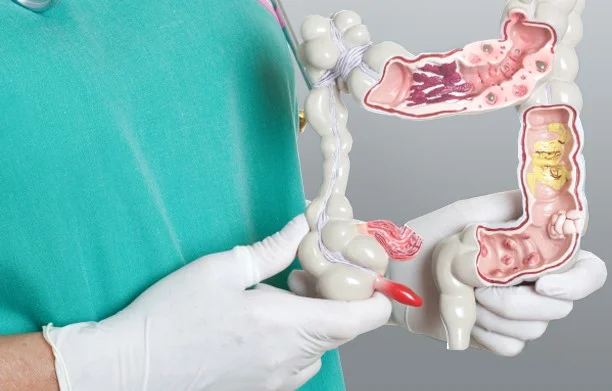
A rectal polyp is a growth protruding into the lumen of the intestine, formed from cells of the mucous membrane. Their structure varies: some have a stalk, others sit on a broad base. Size ranges from a few millimeters to several centimeters.
Most polyps are benign when discovered, but some types, especially adenomatous ones, can become malignant over time. The risk of malignant transformation depends on the size and age of the polyp. With prolonged observation it can reach up to 20–25%.
Important! Malignant transformation takes years, which means timely detection and removal of a polyp is a real opportunity to prevent serious consequences.
Causes and risk factors for polyp development
The exact causes of polyp formation are not fully understood. It is known that they are based on impaired regulation of cell division in the mucous membrane of the intestine. Factors that increase the likelihood of their occurrence:
- age over 40;
- family history of polyposis or colorectal cancer;
- smoking and excessive alcohol consumption;
- a diet high in fat and low in fiber;
- low physical activity;
- type 2 diabetes, metabolic syndrome;
- chronic inflammatory bowel disease.
Tip: having one or more risk factors is a valid reason for regular follow-up with a proctologist. Timely diagnosis at Helyos Medical Center allows rectal polyps to be detected and removed.
Symptoms of a rectal polyp
Rectal polyps most often cause no symptoms at all. However, with larger growths or their location in the lower parts of the intestine, the following symptoms may appear:
- blood or mucus in the stool;
- discomfort or heaviness in the rectal area;
- a sensation of a foreign body in the anal canal;
- bowel irregularities — constipation or diarrhea with no obvious cause;
- a feeling of incomplete bowel emptying.
Similar symptoms are characteristic of other conditions, including hemorrhoids, an anal fissure, or a rectal fistula, so an accurate diagnosis can only be made based on examination results.
Diagnosing rectal polyps
Diagnosis at Helyos Medical Center includes an examination by a proctologist and an endoscopic examination. Colonoscopy remains the most accurate method: it allows the entire mucous membrane of the intestine to be examined and, if necessary, a biopsy or removal of the detected growths to be performed immediately.
When indicated, additional tests are ordered: a fecal occult blood test, laboratory tests, computed tomography.
Methods for removing rectal polyps
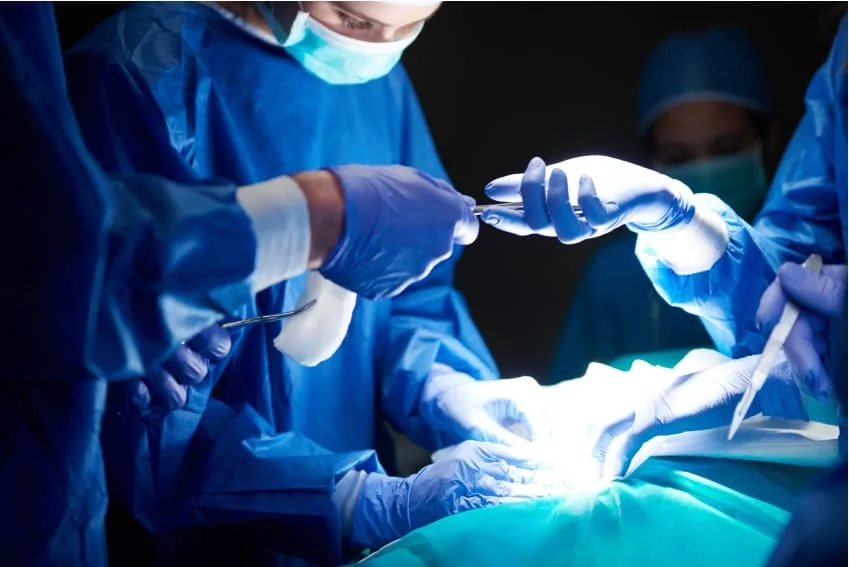
Endoscopic polypectomy is the main method of removing polyps at Helyos Medical Center. Resection is performed during a colonoscopy: the surgeon removes the growth without external incisions using special instruments. When removing larger polyps, the doctor additionally performs coagulation of the blood vessels. The patient usually returns home on the day of the procedure. The removed polyp is sent for histological examination.
To find out how much rectal polyp removal surgery costs at Helyos Medical Center, ask at a doctor's consultation. The price of the procedure depends on the surgical method and the number and size of the growths.
Rehabilitation after polyp removal
After endoscopic polypectomy, most patients feel well already on the day of the procedure. Full recovery usually takes 1–2 weeks. During this time it is recommended to:
- follow a gentle diet (soft, easily digestible food, avoiding spicy, fatty food, and alcohol);
- drink enough water;
- limit physical activity for a few days;
- take prescribed medications.
After rectal polyp removal surgery, the symptoms that previously caused concern decrease or disappear completely, and the patient returns to their usual rhythm of life.
Preventing polyp formation
It is impossible to completely eliminate the risk of polyps, but a number of measures can reduce it. The doctors at Helyos Medical Center recommend:
- having regular endoscopic examinations, especially after age 40;
- following a diet with adequate fiber and limiting red meat and fatty food;
- quitting smoking and reducing alcohol consumption;
- maintaining physical activity;
- controlling blood sugar levels if you have diabetes.
The main method of preventing rectal cancer is timely endoscopic examination. The doctor determines the optimal monitoring schedule based on age, heredity, and the results of previous examinations.
At Helyos Medical Center, rectal polyp removal is performed by experienced proctologists using modern minimally invasive methods. You can book a consultation and find out the cost of the procedure by calling 067 000 01 50.
Prices


How is the consultation going?
The screening frequency depends on age, heredity, and the results of previous diagnostics. People without risk factors are recommended to be screened once every 5 years, starting at age 40. If polyps were previously detected or there is a burdened family history, the doctor prescribes more frequent examinations. The specific schedule is determined by the proctologist at a consultation.
Yes, and that is precisely why they need to be removed. Not all polyps are equally dangerous: hyperplastic ones carry almost no cancer risk, whereas adenomatous ones can transform into a malignant tumor. That is why, after removal, the sample is always sent for histological examination, which makes it possible to determine its nature precisely and plan further follow-up.
Serious complications after endoscopic polypectomy are rare. Minor spotting may occur in the first few days. This is a normal reaction of the body to the operation. Doctors at Helyos Medical Center explain in advance what to watch for and monitor the patient's condition during the postoperative period.