When Is Scar Revision Recommended?
Surgical scar revision may be recommended when conservative treatment methods have not produced satisfactory results or when scar tissue interferes with normal function or quality of life.
Common indications include:
- Wide or stretched scars
- Depressed (atrophic) scars
- Raised (hypertrophic) scars
- Keloid scars
- Post-traumatic scars
- Postoperative scars
- Burn scars
- Scars that restrict movement near joints
- Scars causing significant cosmetic concerns
The appropriate treatment technique is selected according to the scar type, location, size, and condition of the surrounding tissues.
Types of Scars
Atrophic Scars
Atrophic scars form below the level of the surrounding skin and are commonly seen after acne, chickenpox, or certain injuries.
Surgical correction helps:
- Improve skin texture
- Reduce scar visibility
- Restore smoother skin contours
Hypertrophic Scars
Hypertrophic scars are raised above the skin surface but remain confined within the boundaries of the original wound.
They may cause:
- Itching
- Discomfort
- Tightness
- Restricted movement
Scar excision combined with modern postoperative scar management significantly improves both functional and cosmetic outcomes.
Keloid Scars
Keloid scars result from excessive collagen production and continue growing beyond the original wound margins, even after complete healing.
Treatment requires an individualized approach.
Surgical excision is often combined with additional therapies to reduce the risk of recurrence.
Preparing for Scar Revision Surgery
Before surgery, the plastic surgeon evaluates:
- Scar type
- Scar dimensions
- Scar location
- Condition of surrounding tissues
- Skin quality
Preparation typically includes:
- Consultation with a plastic surgeon
- Laboratory testing
- Evaluation of possible contraindications
- Selection of the optimal surgical technique
Additional diagnostic investigations may be recommended when clinically indicated.
How Surgical Scar Revision Is Performed
Scar revision is performed under local or general anesthesia, depending on the size and complexity of the procedure.
The operation generally includes:
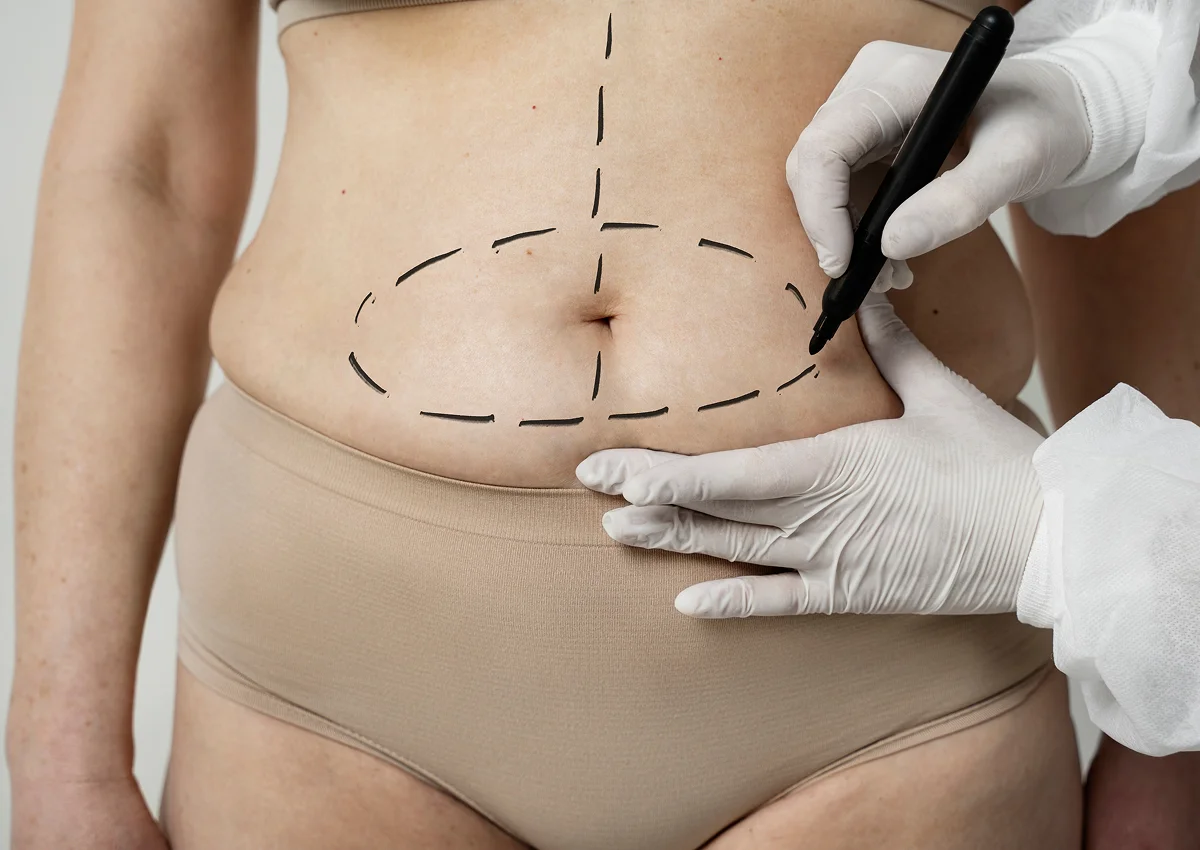
- Precise surgical planning.
- Excision of scar tissue.
- Careful reconstruction of the surrounding tissues.
- Layered closure using fine cosmetic sutures.
- Application of sterile postoperative dressings.
Modern plastic surgery techniques focus on minimizing tension across the wound to promote optimal healing and produce the least visible scar possible.
Recovery After Scar Revision
Recovery varies depending on the size and location of the scar.
During the healing period, patients should:
- Follow all postoperative instructions.
- Keep the surgical area clean.
- Avoid excessive physical activity.
- Protect the scar from direct sunlight.
- Attend all scheduled follow-up appointments.
Over the following months, the scar gradually softens, flattens, and becomes less noticeable.
Benefits of Surgical Scar Revision
Modern scar revision surgery offers numerous advantages:
- Significant improvement in scar appearance
- Smoother skin contours
- Restoration of normal tissue mobility
- Reduction of discomfort and tightness
- Long-lasting aesthetic improvement
- Increased confidence and quality of life
Although complete scar removal is impossible, experienced plastic surgeons can achieve substantial cosmetic and functional improvement.
Scar Revision at Helyos Medical Center
At Helyos Medical Center, every treatment plan is developed individually based on the patient's scar characteristics and desired outcome.
The cost of surgical scar revision depends on:
- Scar size
- Scar type
- Anatomical location
- Surgical complexity
- Number of scars requiring treatment
- Need for reconstructive techniques
A personalized treatment plan and detailed cost estimate are provided following consultation with a plastic surgeon.
Frequently Asked Questions
Can a scar be completely removed?
No. Every wound heals by forming a scar. The goal of scar revision surgery is to make the scar significantly less noticeable and improve both appearance and function.
How long does recovery take?
Most patients recover within 2–4 weeks, while complete scar maturation continues for 6–12 months.
Can keloid scars return after surgery?
Yes. Keloids have a relatively high recurrence rate. For this reason, surgery is often combined with additional treatments to reduce the risk of recurrence.
When is the best time to perform scar revision?
Most surgeons recommend waiting until the scar has fully matured, which usually takes 6–12 months, unless earlier intervention is medically indicated.
Will there be a new scar after surgery?
Yes, but the new scar is usually finer, flatter, better positioned, and significantly less noticeable than the original one.