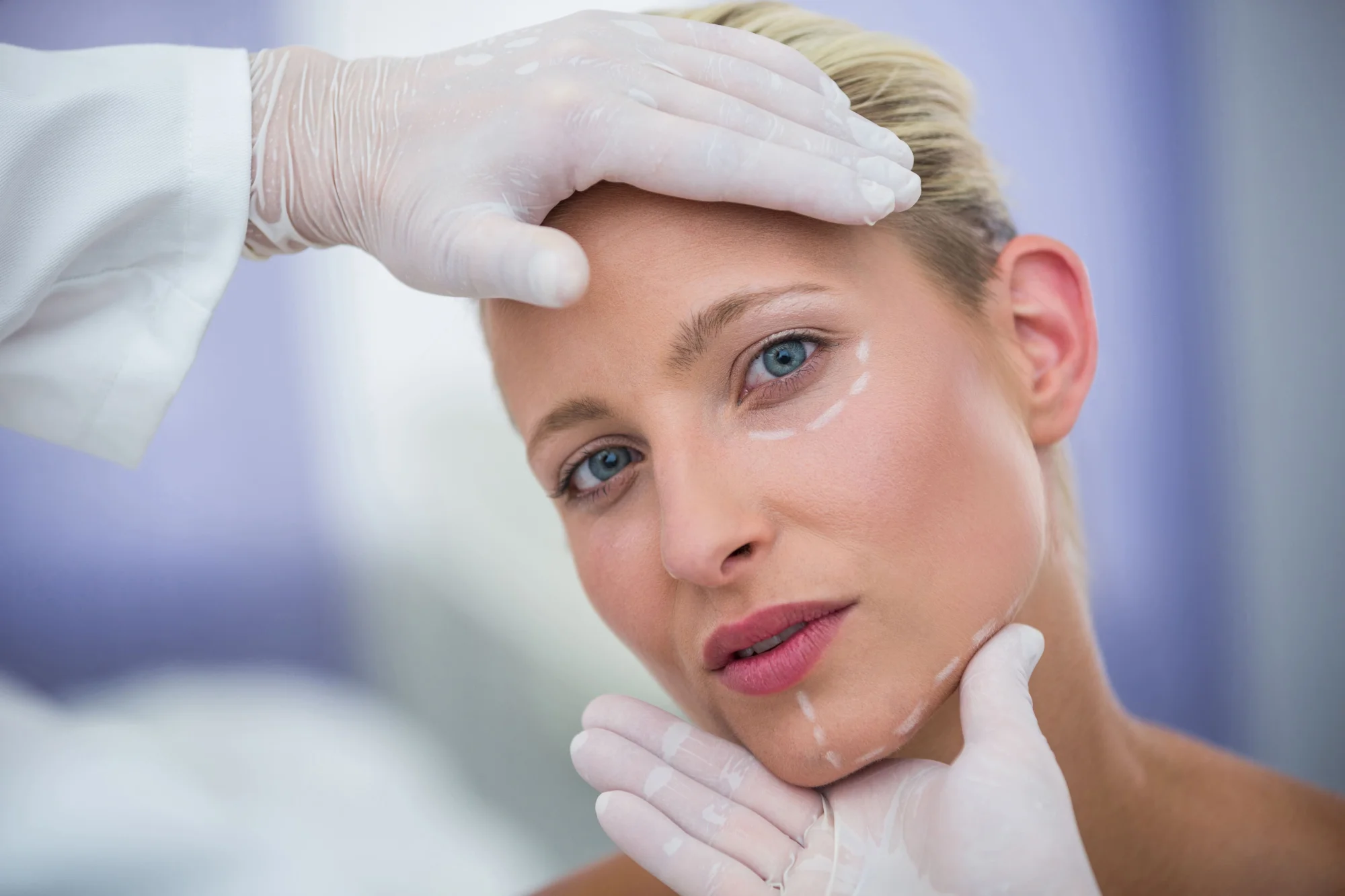
Indications for Facial Lipofilling
- Loss of facial volume due to aging.
- Smoothing wrinkles and folds, especially around the lips, cheeks, and under the eyes.
- Improving facial contours (cheeks, jawline).
- Correcting facial asymmetry.
- Correcting defects after injuries or surgeries.
Lipofilling Procedure
The facial lipofilling procedure involves several steps:
- Fat Harvesting: Fat is removed from areas such as the abdomen, thighs, or buttocks using minimally invasive liposuction.
- Processing and Preparation of Fat: The harvested fat is cleaned and prepared for injection into the target areas of the face.
- Fat Injection: Using special cannulas, the fat is injected into the areas requiring correction. The process takes between 30 to 90 minutes, depending on the complexity of the case.
Who facial fat grafting is for
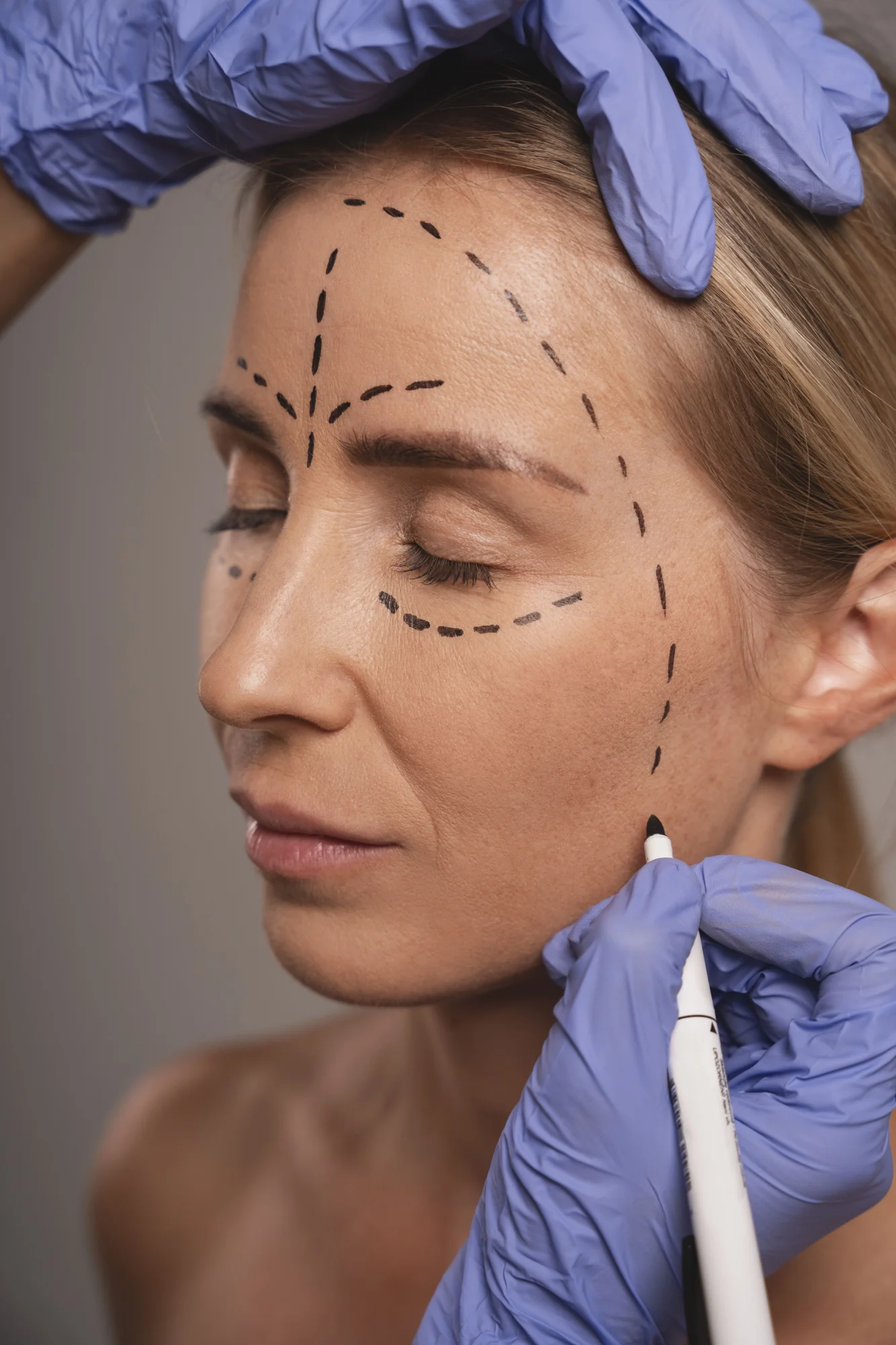
With age the face loses volume more than firmness: the temples hollow, the cheekbones flatten, a tear trough appears and the nasolabial folds deepen. Facial fat grafting restores lost volume with the patient's own tissue rather than filler, so the result looks natural and lasts for years.
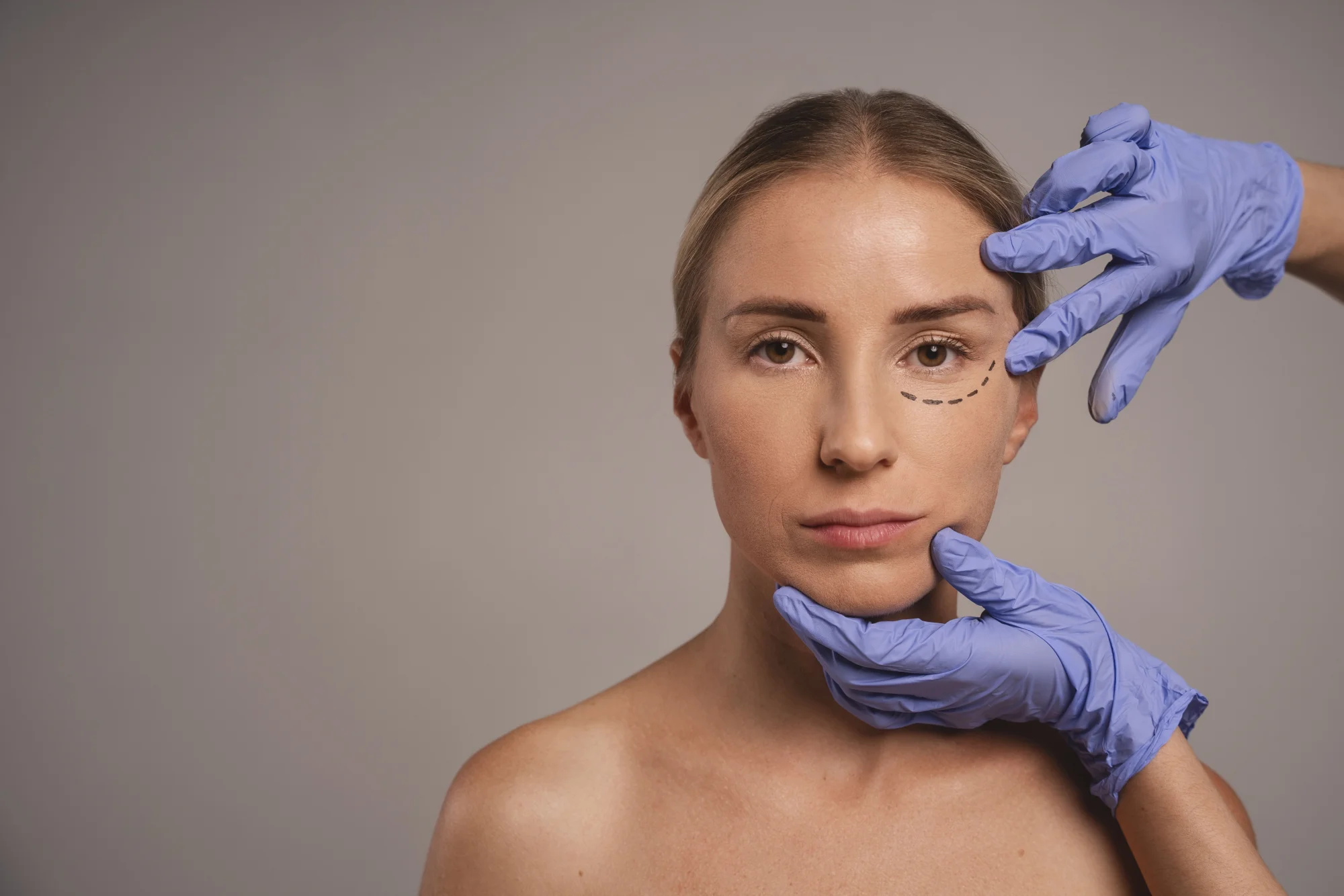
It also addresses dark circles caused by tissue descent: filling the tear trough removes the shadow that makes the gaze look tired. It is often combined with blepharoplasty or a lift, as determined at examination.
How the procedure works
Fat is taken from the abdomen or inner thigh, purified and injected in micro-portions through punctures. It is performed under local anaesthesia with sedation and takes about 1–1.5 hours. The price depends on the number of zones — see below.
Prices
Doctors
All Doctors


How is the consultation going?
Filler is a temporary material, renewed every 6–18 months. Surviving autologous fat stays permanently, feels like your own tissue and avoids an overfilled look.
The trade-off is that fat grafting is surgery: it needs a donor area, recovery takes 2–3 weeks, and not all of the volume survives. Fillers are simpler and quicker but must be repeated.
For the first 3–5 days the face is visibly swollen and bruising at the injection sites is possible. By day 10–14 the swelling has largely gone and work can resume.
The face looks over-filled for another 4–6 weeks — this is expected, as some fat will reabsorb. The final result is assessed at 4–6 months.