
What is uro-oncology?
Uro-oncology is a branch of medicine that combines urology and oncology. A uro-oncologist specializes in diagnosing and treating malignant tumors of the urinary system and male reproductive organs. Urologic oncology requires deep expertise in two medical fields at once, which is why treatment of uro-oncological conditions is best performed at specialized centers with an experienced team of specialists.
Main conditions in uro-oncology
Helyos Medical Center provides diagnostics and surgical treatment for the main uro-oncological conditions. Let's look at each one in more detail.
Kidney cancer
Kidney cancer is most often discovered incidentally during an ultrasound or CT scan performed for another reason. This is precisely why regular preventive checkups are so important. For operable forms, the primary treatment method is surgery — partial or complete removal of the kidney. At Helyos Medical Center, such operations are performed predominantly using a laparoscopic approach.
Bladder cancer
One of the most commonly diagnosed cancers of the genitourinary system. Its characteristic symptom is blood in the urine. In early stages, the tumor is removed endoscopically; in later stages, partial or complete cystectomy may be required. When complete removal of the bladder is necessary, Helyos Medical Center surgeons use reconstructive techniques that restore urinary function.
Prostate cancer
The most common type of cancer in men over 50. In its early stages it is often asymptomatic, which makes regular screening especially important. When detected in time, surgical treatment is performed laparoscopically, allowing the patient to return to normal activity within just a few weeks.
Testicular cancer
Most often occurs in young men aged 20–35. With early diagnosis, the prognosis for this disease is among the most favorable of all cancer diagnoses.
Symptoms of uro-oncological conditions
Uro-oncological conditions are often asymptomatic in their early stages. Nevertheless, there are a number of signs worth paying attention to:
- blood in the urine;
- difficult or frequent urination;
- pain in the lower back or pelvic area;
- a lump or change in the shape of a testicle;
- unexplained weight loss and marked weakness.
Tip: men over 50 are advised to have a PSA (prostate-specific antigen) test every year. This allows prostate cancer to be detected at an early, highly treatable stage.
Diagnostic methods in uro-oncology
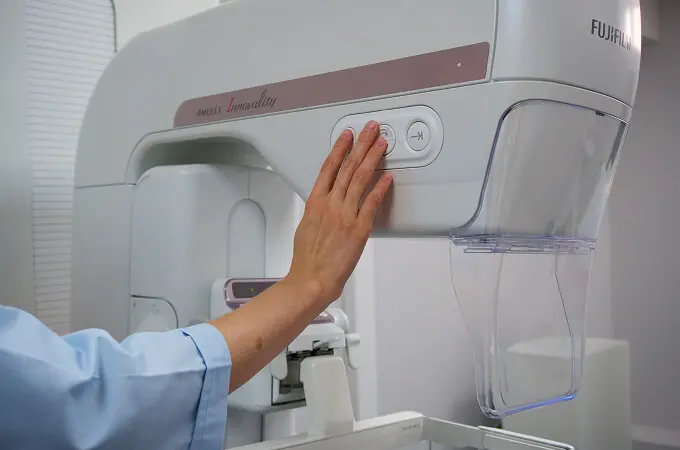
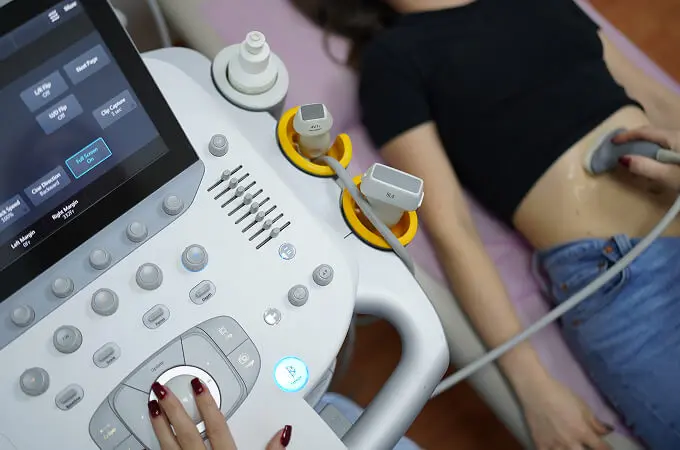
A uro-oncologist consultation at Helyos Medical Center begins with an examination and medical history review. Based on the findings, the physician orders the necessary tests. The standard diagnostic protocol in uro-oncology includes:
- ultrasound of the genitourinary organs;
- AI-assisted CT scan;
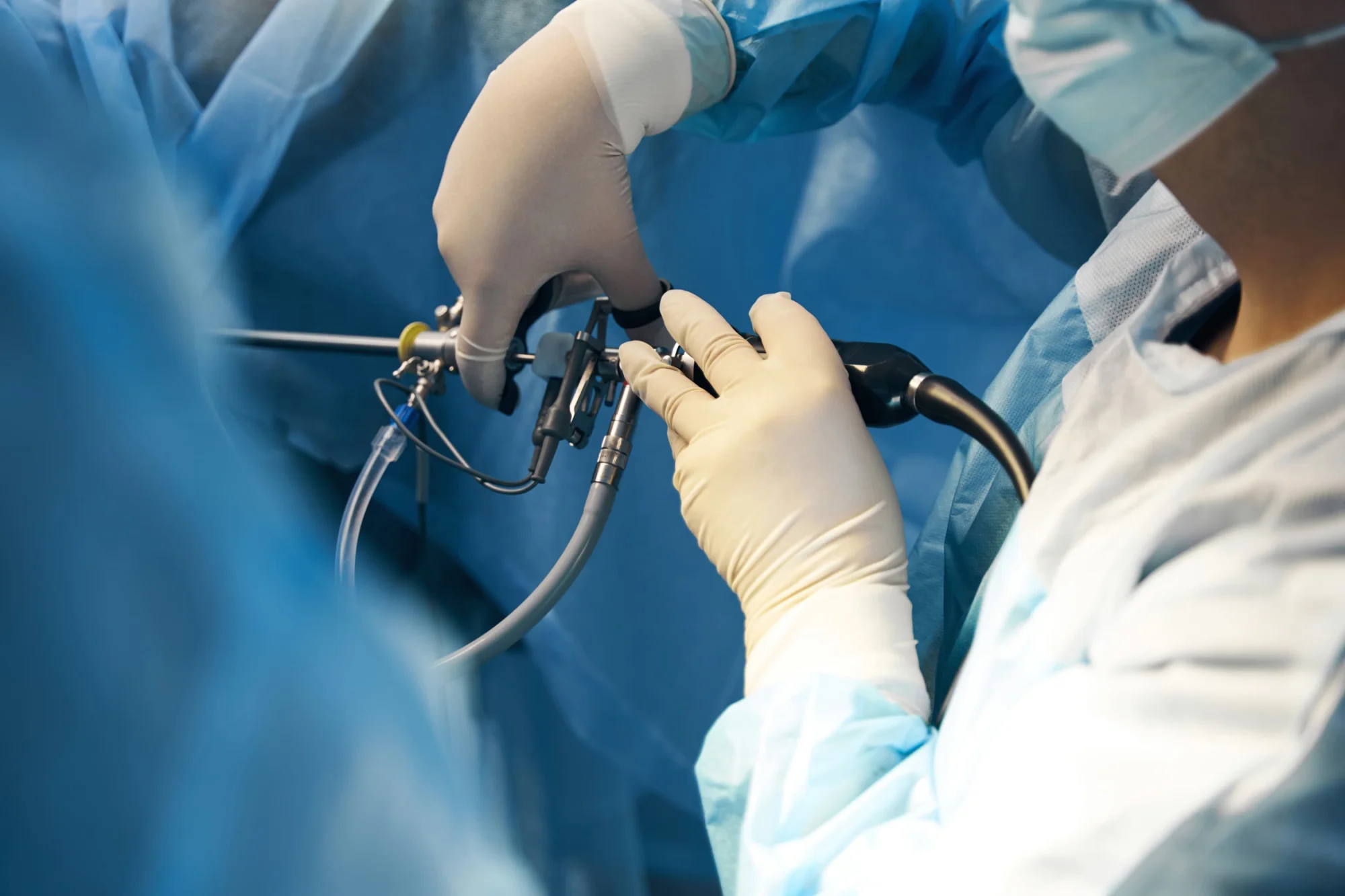
- cystoscopy if bladder cancer is suspected;
- biopsy for morphological confirmation of the diagnosis;
- laboratory tests, including PSA and other tumor markers.
The cost of a uro-oncologist consultation and diagnostics at Helyos Medical Center can be confirmed when booking an appointment. Prices depend on the scope of the workup.
Modern treatment methods for uro-oncological conditions
Surgery remains the primary treatment method for most uro-oncological conditions at operable stages, or is performed to improve the patient's quality of life. At Helyos Medical Center, operations are performed predominantly through a laparoscopic approach. This is a minimally invasive method with a short recovery period.
When necessary, surgical treatment is supplemented with chemotherapy, immunotherapy, hormonal therapy, or targeted therapy. The choice of treatment regimen depends on the type of tumor, the stage of the disease, and the patient's overall health.
Prevention of uro-oncological conditions
It is impossible to completely eliminate the risk of uro-oncological conditions, but regular checkups allow them to be detected at early stages. Men over 50 are advised to have an annual PSA test and a urologist examination. If there is a significant family history, screening should begin at ages 40–45.
Important! Modifying one's lifestyle helps reduce the risk of developing urologic cancers. Physicians recommend maintaining a healthy weight, quitting smoking, limiting alcohol consumption, and getting sufficient physical activity. It is also important to treat chronic inflammation of the genitourinary organs promptly, as it is one of the risk factors for bladder cancer.
If you are experiencing symptoms or would like a preventive urological checkup, book an appointment with a uro-oncologist at Helyos Medical Center. The doctor will listen carefully, perform an examination, and order the necessary tests. You can book an appointment by phone at 067 000 01 50.

Prices


How is the consultation going?
The main risk factors include age over 50, smoking, hereditary predisposition, chronic inflammatory conditions of the genitourinary system, and excess weight. For prostate cancer, heredity is a significant factor: having a close relative with this diagnosis substantially increases individual risk. Testicular cancer more often occurs in men with a history of cryptorchidism. Understanding your own risk factors helps build the right monitoring strategy together with a physician.
Men over 50 are advised to have an annual uro-oncologist consultation with a PSA level test. If risk factors are present, the frequency of monitoring is determined individually. The Helyos Medical Center physician will build an optimal screening schedule based on medical history and health status. Women with symptoms of the urinary system are also advised to seek a timely consultation with a specialist.
For uro-oncological conditions, the treatment outcome largely depends on how early the patient sought medical care. Testicular cancer is a telling example: with timely diagnosis, it is one of the most successfully treatable types of cancer. A similar pattern holds for kidney, bladder, and prostate cancer. In the uro-oncology department at Helyos Medical Center, physicians develop an individual treatment strategy based on modern European protocols, which helps achieve good treatment outcomes.