Indications for WAL Lipofilling
Lipofilling may be recommended for patients wishingto restore lost tissue volume or improve facial and body contours without synthetic implants.
Common indications include:
- Facial lipofilling for rejuvenation
- Under-eye fat grafting for hollow tear troughs
- Natural lip enhancement
- Insufficient cheek or cheekbone volume
- Age-related facial fat loss
- Facial asymmetry
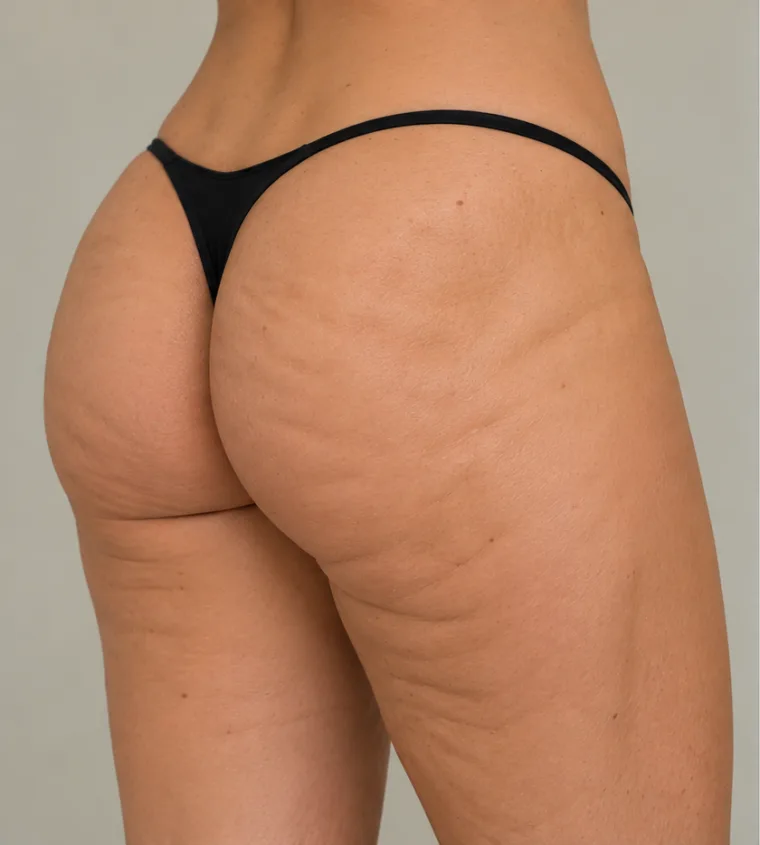
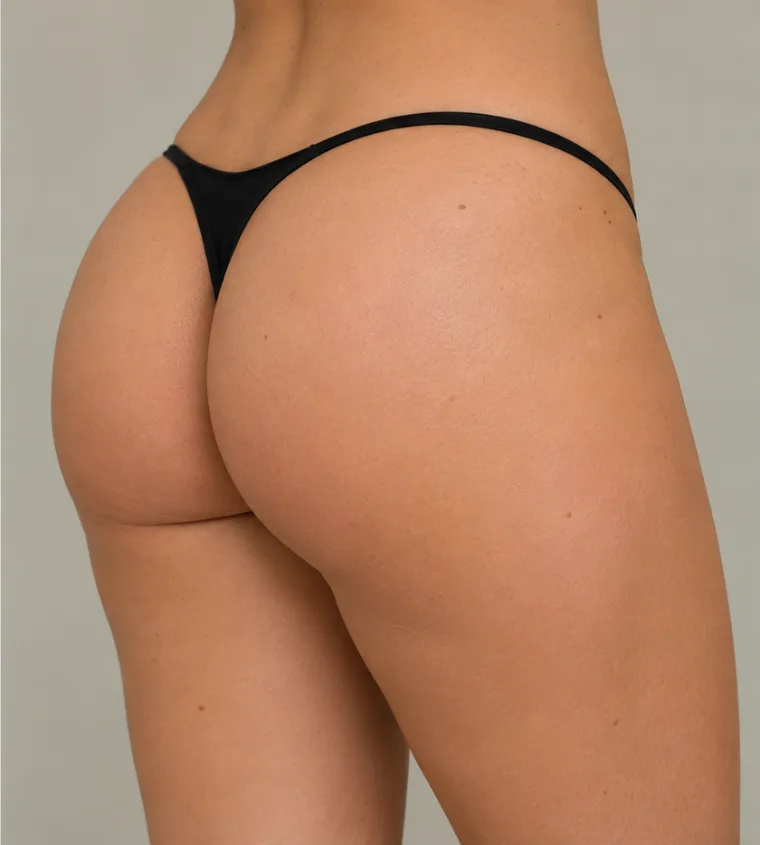
- Body contour refinement following liposuction
- Reconstructive plastic surgery
Following consultation, the plastic surgeon determines the appropriate treatment areas and whether the procedure is suitable for the individual patient.
Advantages of WAL Technology
Water-Assisted Liposuction offers several important advantages compared with conventional fat harvesting techniques.
Key benefits include:
- Gentle harvesting of fat cells
- High survival rate of transplanted fat
- Minimal tissue trauma
- Faster recovery
- Natural results without synthetic fillers or implants
- Simultaneous improvement of both the donor and recipient areas
- Very low risk of allergic reactions
For these reasons, WAL is considered one of the most advanced and reliable fat grafting techniques available today.
How WAL Lipofilling Is Performed
The procedure consists of several carefully planned stages.
Initial Consultation
During the consultation, the plastic surgeon evaluates facial and body proportions, identifies donor and recipient areas, discusses the patient's goals, and develops an individualized treatment plan.
Fat Harvesting
Healthy fat is gently harvested using the Water-Assisted Liposuction (WAL) technique.
Unlike traditional liposuction, WAL uses a controlled stream of water to separate fat cells while minimizing damage to surrounding tissues and preserving fat cell viability.
Fat Processing
The harvested fat is carefully purified to remove excess fluid and damaged cells, leaving only healthy tissue suitable for transplantation.
Fat Transfer
The purified fat is injected into the selected treatment areas using fine cannulas.
The surgeon distributes the fat evenly in multiple layers to maximize long-term survival and create smooth, natural contours.
Recovery After Lipofilling
Most patients experience mild swelling and bruising in both the donor and treated areas.
During recovery, patients should:
- Avoid strenuous physical activity
- Protect treated areas from excessive pressure
- Follow all postoperative instructions
- Maintain a stable body weight
- Attend scheduled follow-up appointments
Most swelling subsides within several weeks, while the final outcome becomes fully visible after several months as the transferred fat stabilizes.
Results and Benefits
WAL Lipofilling provides both rejuvenation and contour enhancement.
The procedure can:
- Restore youthful facial volume
- Improve facial symmetry
- Naturally enhance the lips
- Soften deep facial folds
- Improve body contours
- Produce long-lasting, natural-looking results
- Avoid synthetic implants or fillers
Because living fat cells become integrated into the surrounding tissues, successful fat grafts can provide durable results that age naturally with the patient.
WAL Lipofilling at Helyos Medical Center
At Helyos Medical Center, every lipofilling procedure is customized according to the patient's anatomy and aesthetic goals.
The total cost depends on:
- Number of treatment areas
- Volume of fat transferred
- Complexity of the procedure
- Type of anesthesia
- Individual postoperative care requirements
Following consultation, your plastic surgeon will prepare a personalized treatment plan and provide a detailed cost estimate.