What is breast augmentation
Augmentation mammoplasty involves placing breast implants to increase the volume and change the shape of the mammary glands. Before the operation, the surgeon assesses the initial breast size, the condition of the patient’s own tissues, the features of the chest, and symmetry.
An important stage is the selection of implants. The choice takes into account not only the desired breast size but also the patient’s body parameters. The goal of planning is to select an option that matches the anatomical possibilities and the expected result.
Breast augmentation may be performed as a standalone operation or combined with other types of surgical correction.
Indications for augmentation mammoplasty
The operation may be considered when there is a wish to change the volume and shape of the mammary glands in the absence of contraindications.
Possible indications include:
- insufficient breast volume
- a pronounced difference in the size of the mammary glands
- a change in volume after pregnancy and breastfeeding
- a change in shape after significant weight loss
- a wish to correct the proportions of the breasts
- the need to restore volume as part of an individual surgical plan.
If there is pronounced tissue sagging, augmentation alone may not be sufficient. In this case, the plastic surgeon assesses the need for an additional lift.
If there are other features of the breasts, additional procedures may also be considered. For example, correction of the nipple-areola complex or correction of scars after mammoplasty. If gel material was previously injected into the tissue, gel removal from the breast may be required.
The final indications for the operation are determined after examination.
Preparation for the operation
Preparation begins with a consultation with a plastic surgeon. The doctor discusses the desired changes with the patient, performs an examination, and determines the possible extent of the surgical procedure.
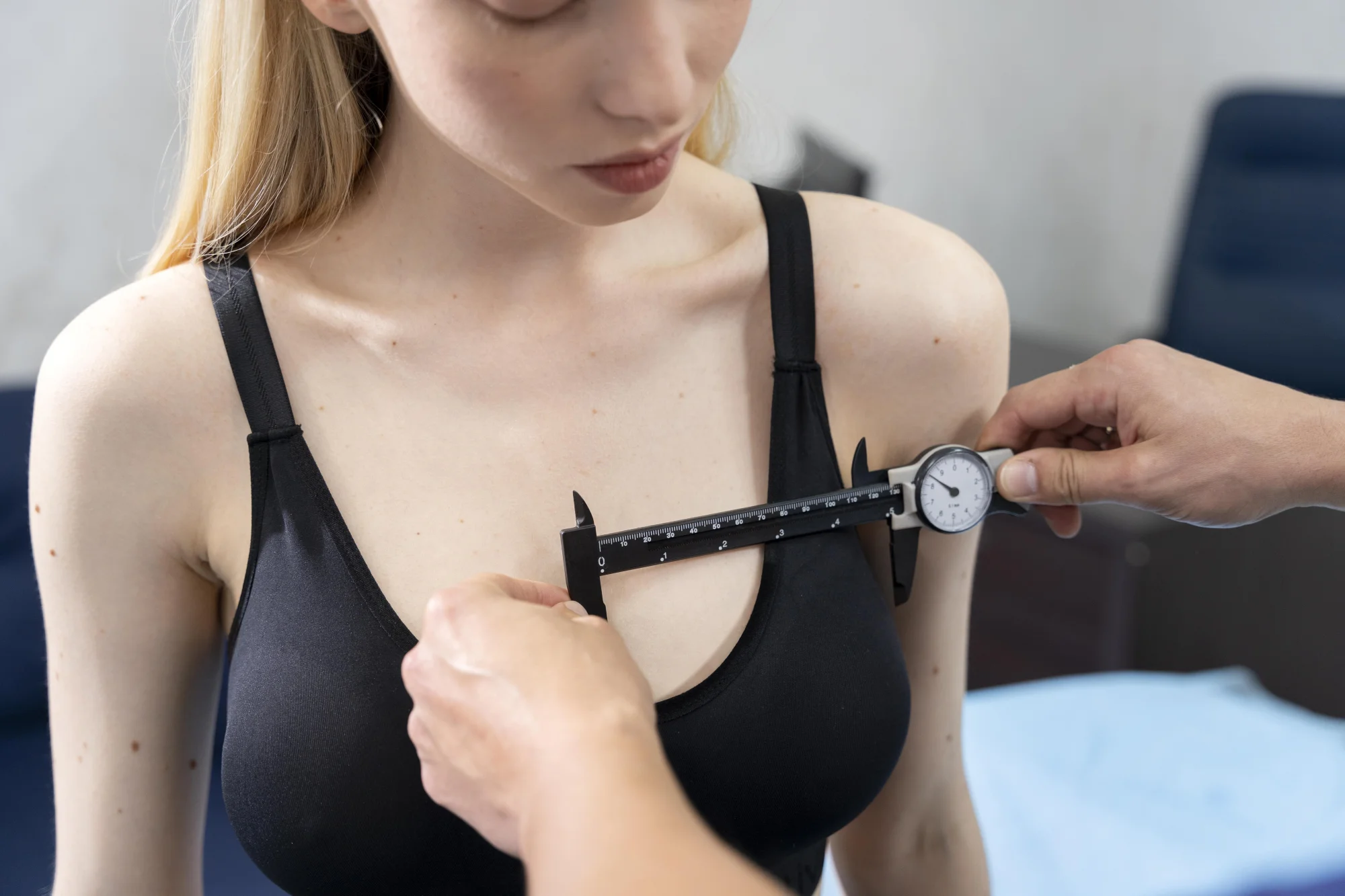
Special attention is given to the selection of implants. The size is chosen taking into account the width of the chest, the volume of the patient’s own tissues, and the expected proportions.
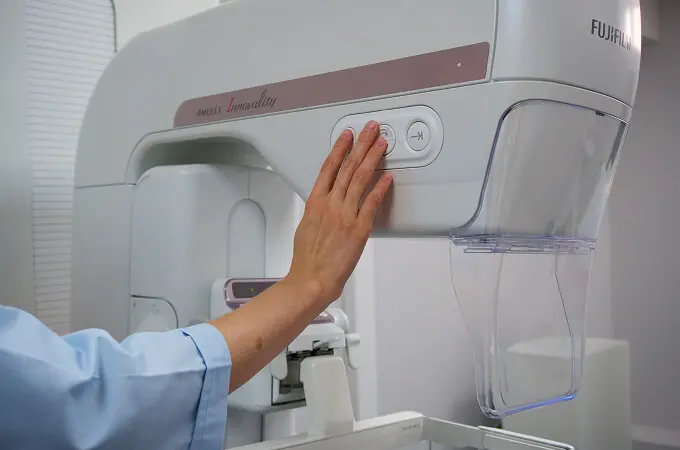
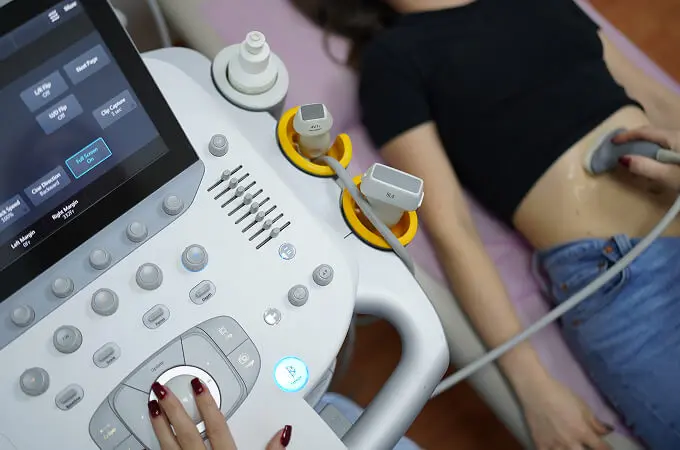
Before the operation, laboratory tests and other necessary examinations are prescribed. Their specific list is determined by the doctor individually.
It is important for the patient to inform the specialist about chronic diseases, allergic reactions, previous operations, and regularly taken medications.
You should not stop taking prescribed medications on your own before the procedure. All changes must be agreed upon with the doctor.
Course of the breast augmentation operation
Augmentation mammoplasty is performed using anesthesia.
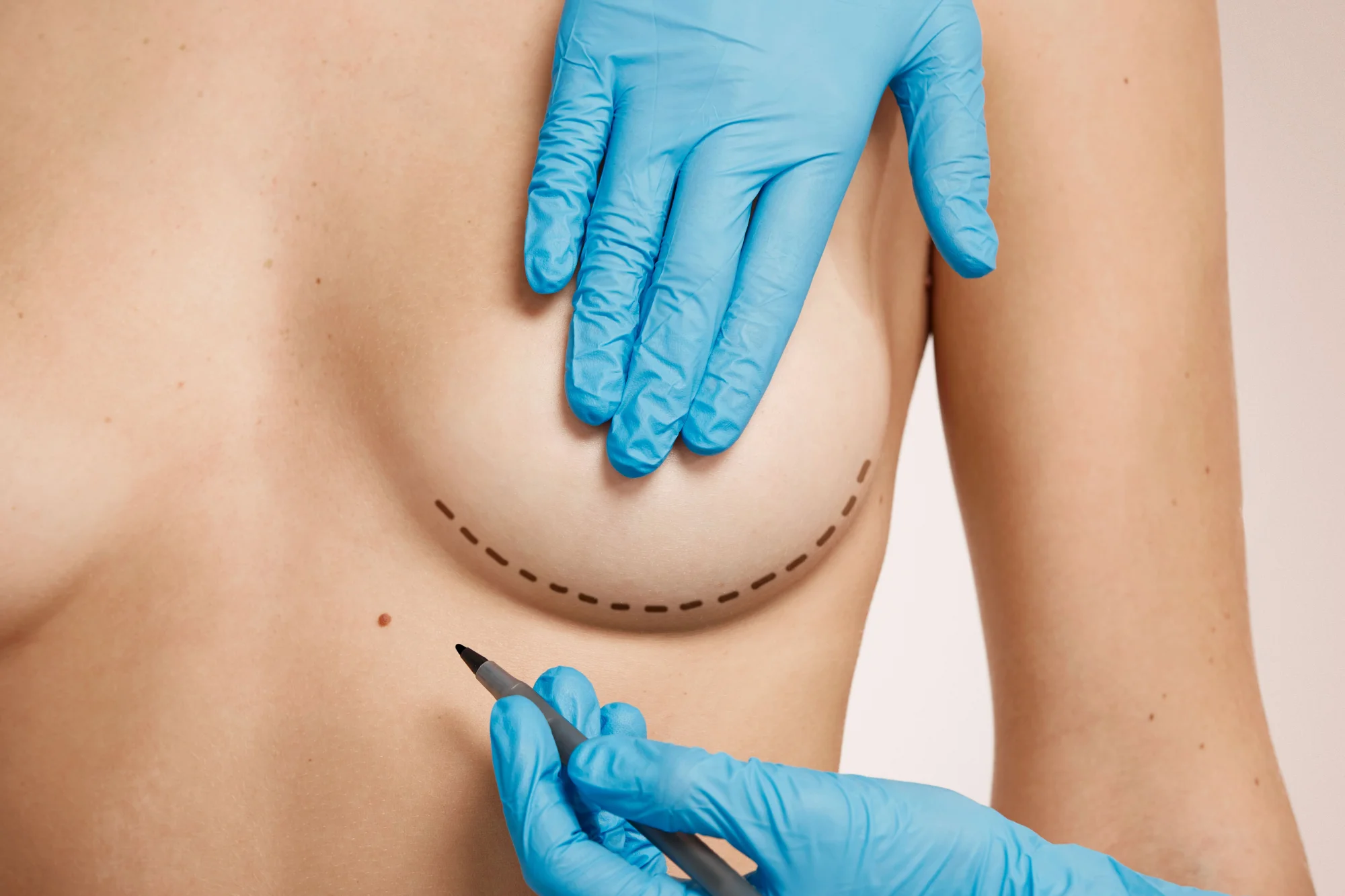
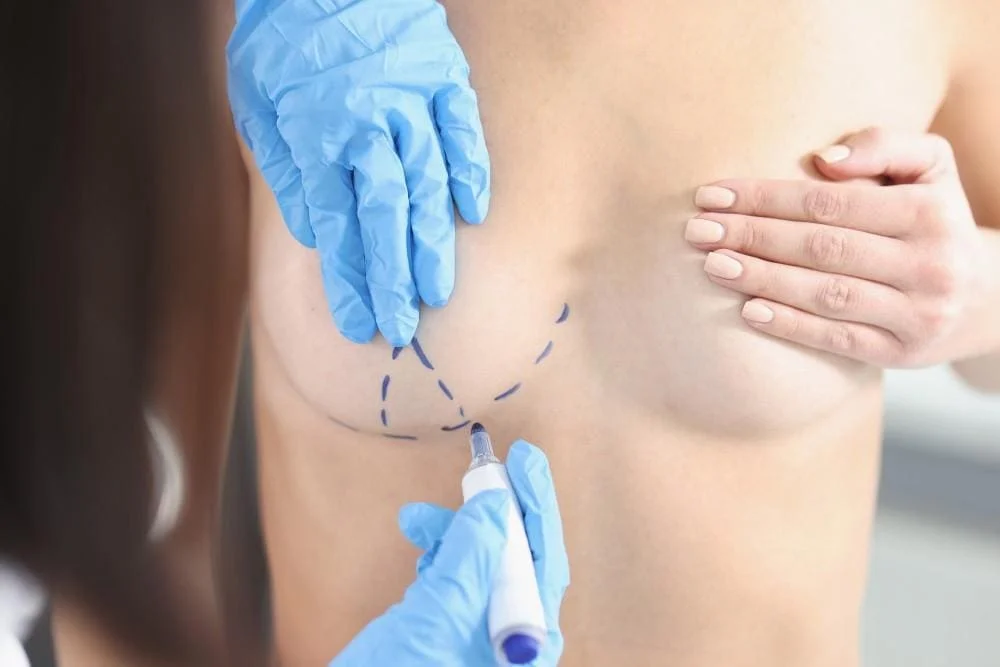
Before the procedure, the surgeon makes markings. Then a surgical access is formed and space is created for placing the implant in accordance with the previously chosen technique.
After the endoprostheses are placed, the doctor assesses the position and symmetry of the breasts. Then the surgical accesses are sutured and postoperative dressings are applied.
The specific surgical technique depends on the patient’s anatomy, the parameters of the implants, and the surgical plan.
The duration of the procedure is also determined individually.
If the patient already has endoprostheses placed and their size or condition needs to be changed, replacement of breast implants is considered rather than a primary augmentation.
Rehabilitation period and recommendations
After breast augmentation, swelling, bruising, moderate soreness, and a feeling of pressure or tissue tension are possible. In the first days, the appearance of the mammary glands does not yet correspond to the final result.
During recovery, the doctor may recommend wearing special compression garments. They help support the breasts in accordance with the postoperative regimen.
Physical activity is temporarily limited. It is especially important to avoid intense work of the upper body muscles and lifting significant weight.
The return to work depends on the nature of professional activity and the features of recovery. Training is resumed gradually after the surgeon’s permission.
It is also necessary to attend the scheduled follow-up examinations and follow the recommendations for care of the postoperative area.
Results and expectations after breast augmentation
After rehabilitation is completed, breast augmentation makes it possible to obtain a larger volume of the mammary glands and change their proportions. The specific result depends on the initial anatomy, the chosen implants, and the features of the tissues.
After the operation, surgical scars remain. Their location depends on the chosen access. As the scar tissue matures, they usually change and may become less noticeable.
The final result is assessed after the swelling subsides and the tissues adapt to the placed implants.
It is important to understand that the result of the operation must be regularly monitored in accordance with the doctor’s recommendations. If pain, pronounced asymmetry, a change in breast shape, or other unusual symptoms appear, you should consult a specialist.
Prices
Doctors
All Doctors


How is the consultation going?
The duration depends on the surgical technique and the extent of the procedure. The exact time is determined after an individual surgical plan has been drawn up.
Physical activity is increased gradually after the plastic surgeon’s permission. The timeframe depends on the recovery process.
The size is selected together with the surgeon taking into account the width of the chest, the volume of the patient’s own tissues, anatomical features, and the desired proportions.
This question should be discussed with the surgeon before the operation, taking into account the chosen technique and individual anatomy.
The possibility of combining several procedures is determined individually, taking into account their extent, the patient’s health, and the surgeon’s recommendations.