
How does the consultation work?
- Doctor’s examination – assessment of the tissue condition and selection of the optimal correction method.
- Discussion of patient’s preferences – the doctor explains possible results and answers all questions.
- Preparation for surgery – necessary tests and preoperative recommendations.
- Explanation of the procedure and recovery – detailed information about all steps.
Who labiaplasty is for
Reduction of the labia minora is indicated when their size or asymmetry causes physical discomfort: friction and irritation when walking, exercising or wearing underwear, difficulty with hygiene, or pain during intercourse. A common reason for seeking it is change after childbirth or with age.
Labiaplasty is also performed for aesthetic reasons. It is not carried out during pregnancy or with acute inflammation and genital tract infections, which are treated beforehand.
How the operation is performed
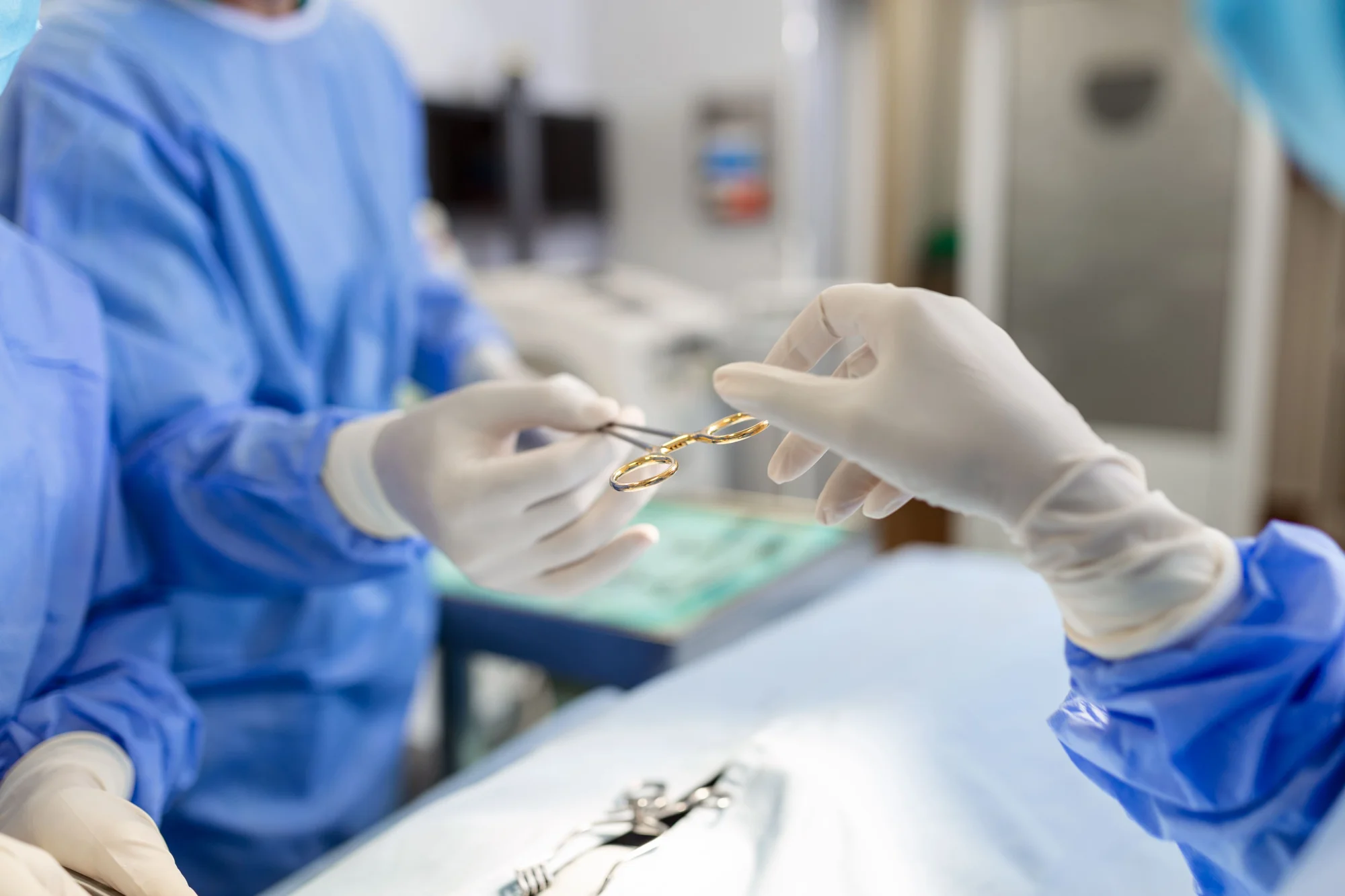
Labiaplasty is done under local anaesthesia, with sedation if the patient prefers, and takes about 40–60 minutes. Excess tissue is removed by the edge or wedge technique: the wedge preserves the natural contour and pigmented margin, while the edge method is simpler and suits a large excess. Sutures are absorbable and need not be removed.
You go home the same day. The price in your case depends on technique and extent — see the prices below, and the branches section for where it is performed in Dnipro.
Prices
Doctors
All Doctors


How is the consultation going?
Swelling and discomfort are marked for the first 5–7 days; desk work is usually possible after 3–5 days. Sutures dissolve over 3–4 weeks.
For 4–6 weeks avoid intercourse, swimming pools, saunas, tampons, cycling and intensive sport. Loose cotton underwear and careful hygiene are advised. The final result is visible at 2–3 months, once residual swelling resolves.
Sutures are placed along the margin or in a fold, so after a few months the scars are practically invisible. The wedge technique preserves the natural pigmented edge.
Sensitivity is preserved: the structures responsible for it are not touched. Temporary numbness or increased sensitivity of the edges is possible in the first weeks and settles as healing progresses.