Bronchoscopy: A Modern Endoscopic Procedure for Diagnosing and Treating Airway Diseases


What Is Bronchoscopy?

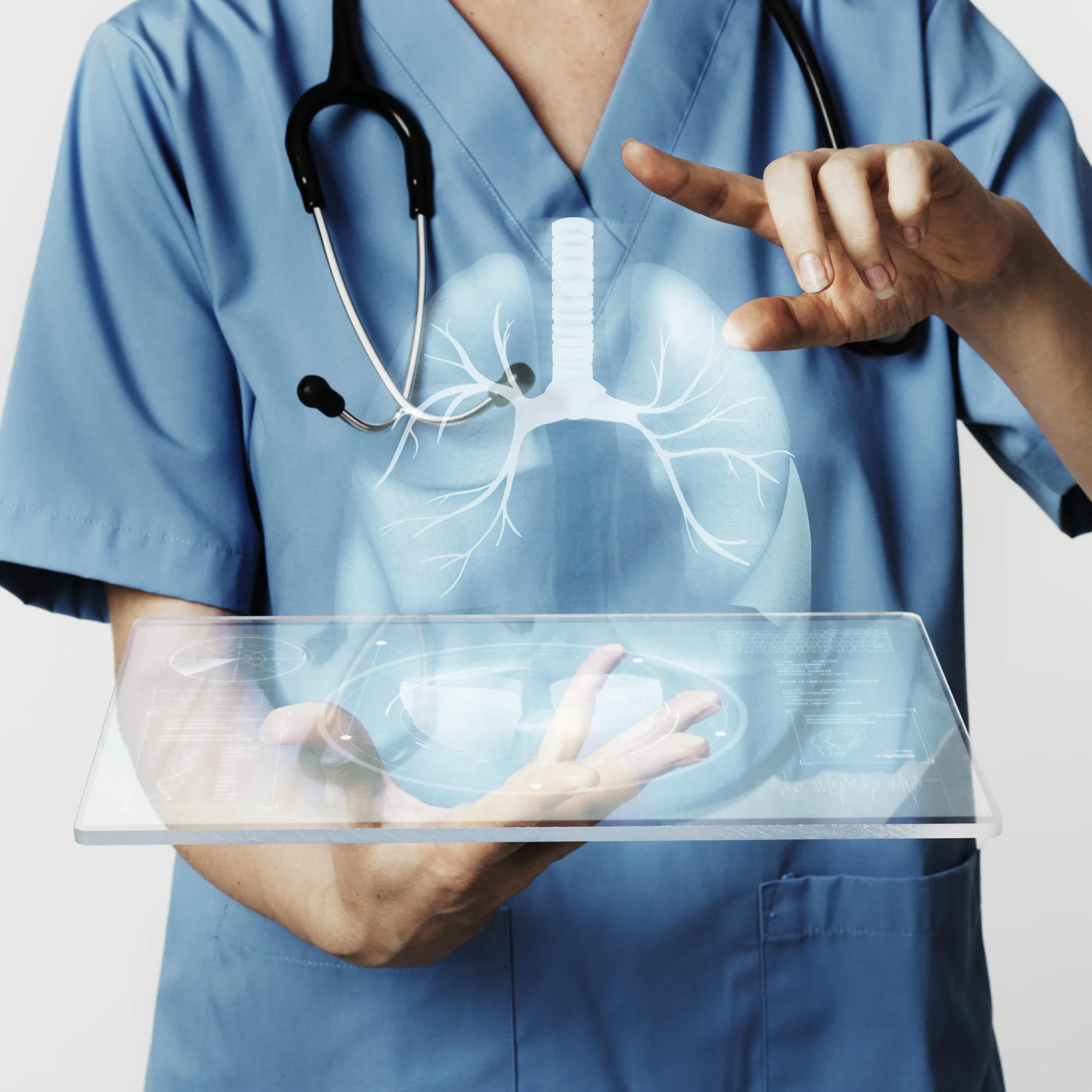
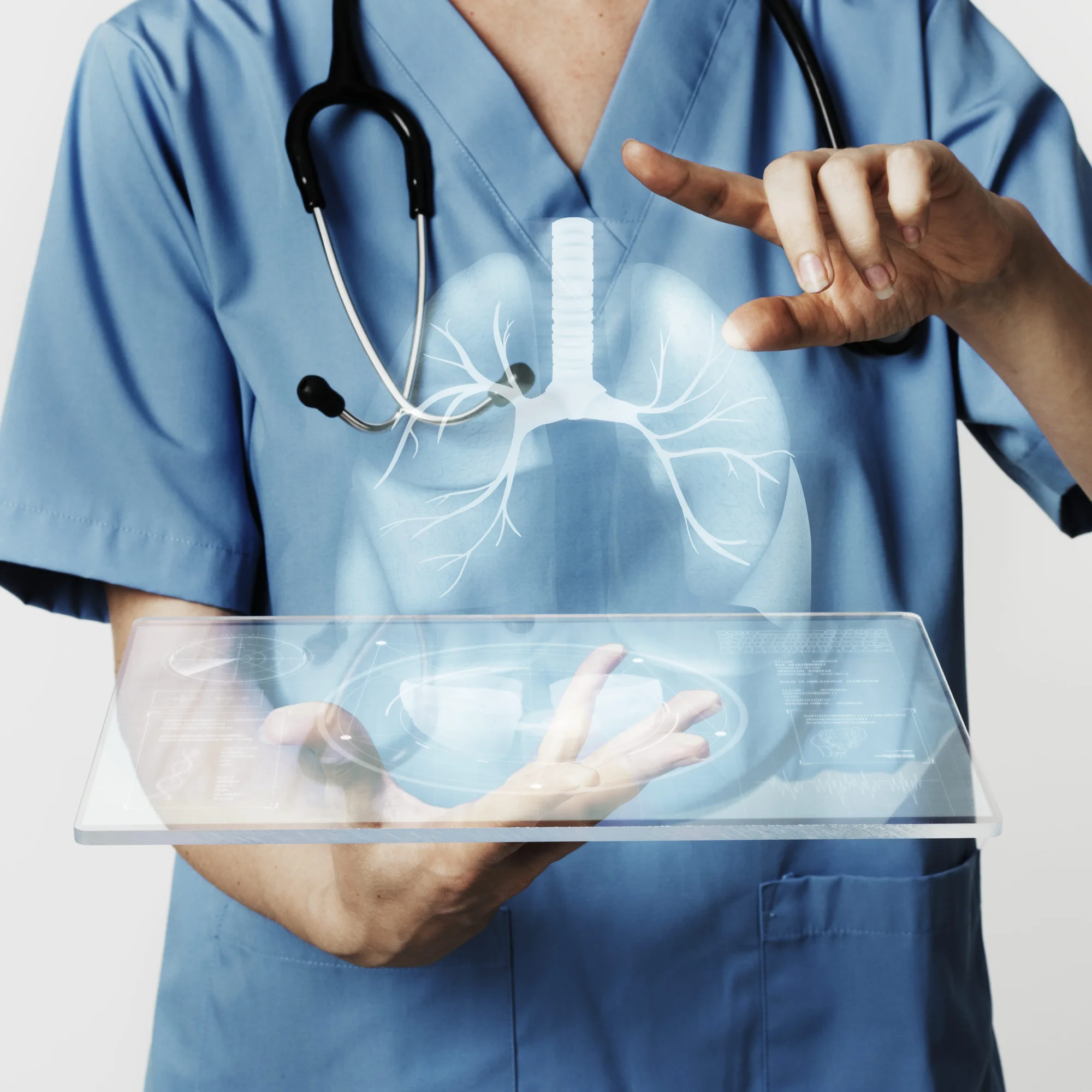
Bronchoscopy is an advanced endoscopic procedure that allows a physician to examine the inside of the trachea and bronchi, assess the condition of the airway lining, identify abnormalities, and perform a variety of diagnostic or therapeutic interventions when necessary.

The procedure is performed using a bronchoscope—a thin, flexible or rigid endoscope equipped with a high-definition camera and a light source.

Bronchoscopy is one of the most informative methods for diagnosing respiratory diseases. During the examination, the physician can obtain tissue biopsies, remove foreign bodies, clear airway secretions, or collect samples for laboratory analysis.

At Helyos Medical Center in Dnipro, bronchoscopy is performed using modern endoscopic equipment by experienced specialists, ensuring high diagnostic accuracy and maximum patient safety.

Bronchoscopy 1

When Is Bronchoscopy Recommended?

Bronchoscopy may be indicated for patients with:

  • Persistent cough of unknown origin
  • Coughing up blood (hemoptysis)
  • Chronic or recurrent respiratory infections
  • Suspected lung or bronchial tumors
  • Airway narrowing (bronchial stenosis)
  • Suspicious findings on chest X-ray or CT scan
  • Suspected foreign body aspiration
  • Persistent shortness of breath
  • Evaluation of chronic inflammatory lung diseases

Early bronchoscopy often allows serious respiratory conditions to be diagnosed before they progress.

Contraindications

Although bronchoscopy is generally considered safe, the procedure may not be appropriate in certain situations.

Possible contraindications include:

  • Acute myocardial infarction
  • Severe cardiac arrhythmias
  • Uncontrolled respiratory failure
  • Severe blood clotting disorders
  • Acute asthma exacerbation
  • Severe uncontrolled hypertension
  • Serious general medical conditions that significantly increase procedural risk

The final decision is made by the physician after a comprehensive medical evaluation.

Preparing for Bronchoscopy

Proper preparation helps ensure both safety and optimal diagnostic accuracy.

Patients are usually advised to:

  • Avoid eating for 6–8 hours before the procedure
  • Inform the physician about all medications being taken
  • Report any allergies
  • Inform the medical team about chronic illnesses
  • Follow all pre-procedure instructions provided by the physician

Additional laboratory tests or imaging studies may be requested when clinically indicated.

How Bronchoscopy Is Performed

Bronchoscopy is usually performed under local anesthesia with sedation or under intravenous sedation, depending on the patient's condition and the planned intervention.

The procedure generally includes:

  1. Pre-procedure preparation.
  2. Administration of local anesthetic or sedation.
  3. Gentle insertion of the bronchoscope through the nose or mouth.
  4. Careful examination of the trachea and bronchial tree.
  5. Biopsy or therapeutic intervention if required.
  6. Short observation period after the procedure.

Most bronchoscopic examinations are completed within 20–40 minutes.
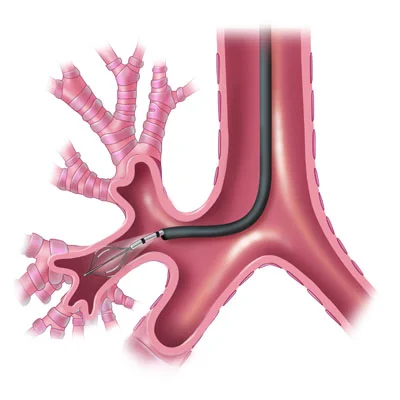
Therapeutic Procedures During Bronchoscopy

In addition to diagnosis, bronchoscopy can be used for treatment.

Common therapeutic interventions include:

  • Tissue biopsy
  • Removal of foreign bodies
  • Bronchoalveolar lavage
  • Removal of mucus plugs
  • Control of airway bleeding
  • Collection of samples for microbiological testing

These procedures often eliminate the need for more invasive surgical interventions.

Bronchoscopy 3
Created with Pixso.
Created with Pixso.

Recovery After Bronchoscopy

Following the procedure, patients remain under observation until the effects of sedation or local anesthesia have resolved.

Temporary symptoms may include:

  • Mild sore throat
  • Hoarseness
  • Temporary cough
  • Slight throat discomfort

These symptoms usually resolve within several hours.

Patients are advised to:

  • Avoid eating or drinking until the throat numbness has completely worn off.
  • Refrain from driving if sedation was administered.
  • Follow all post-procedure instructions.
  • Contact their physician immediately if severe bleeding, chest pain, or difficulty breathing develops.
Bronchoscopy 4

Bronchoscopy at Helyos Medical Center

At Helyos Medical Center, bronchoscopy is performed using state-of-the-art endoscopic equipment that provides excellent visualization of the airways while maximizing patient comfort.

The cost of bronchoscopy depends on:

  • Type of bronchoscopy performed
  • Whether biopsy or therapeutic procedures are required
  • Type of anesthesia or sedation
  • Complexity of the examination

Following consultation, the physician will recommend the most appropriate diagnostic approach and provide a personalized treatment plan.

Prices

Bronchoscopy
1950 UAH
Make an appointment
Enter your full name
Enter your phone number
Choose a specialist
Choose a specialist
Choose a branch
Choose a branch
img

Bronchoscopy in Dnipro

Is bronchoscopy painful?

Most patients tolerate bronchoscopy well. Local anesthesia and, when appropriate, intravenous sedation significantly reduce discomfort during the examination.

Can a biopsy be performed during bronchoscopy?

Yes. If abnormal tissue is identified, the physician can obtain a biopsy during the same procedure for histopathological analysis.

How long does recovery take?

Most patients recover within a few hours and return home the same day, unless additional observation is required.

Can bronchoscopy remove a foreign body?

Yes. Bronchoscopy is one of the primary methods used to locate and safely remove foreign bodies from the airways.

When will I receive my results?

Visual findings are discussed immediately after the procedure. If a biopsy or laboratory samples are collected, the final results are usually available after the pathology or laboratory analysis is completed.