Indications for Face and Neck Plastic Surgery
Facial rejuvenation surgery may be recommended for patients experiencing:
- Sagging facial skin
- Loss of jawline definition
- Deep nasolabial folds
- Pronounced jowls
- Loose skin of the neck
- Double chin
- Deep facial wrinkles
- Age-related loss of facial volume
- Decreased skin elasticity
The procedure is suitable for both women and men seeking comprehensive facial rejuvenation.
Contraindications
Although facelift surgery is considered safe, certain medical conditions may prevent surgical treatment.
Contraindications include:
- Acute infectious diseases
- Blood clotting disorders
- Uncontrolled diabetes mellitus
- Severe cardiovascular disease
- Active oncological conditions
- Pregnancy and breastfeeding
- Severe chronic illnesses in the decompensated stage
The decision to perform surgery is made only after a complete medical evaluation.
Types of Face and Neck Plastic Surgery
Facelift (Rhytidectomy)
A facelift is one of the most effective procedures for correcting age-related facial changes.
The procedure can:
- Tighten sagging facial tissues
- Restore youthful facial contours
- Smooth deep wrinkles
- Improve jawline definition
- Rejuvenate the midface and lower face
Modern facelift techniques reposition the deeper facial structures (SMAS layer) rather than simply tightening the skin, creating more natural and longer-lasting results.
Neck Lift
A neck lift addresses visible aging changes affecting the neck area.
The procedure helps correct:
- Loose neck skin
- Vertical platysmal bands
- Excess fat beneath the chin
- Poor jawline definition
Neck lift surgery is frequently combined with a facelift to achieve balanced facial rejuvenation.
Combined Facial Rejuvenation Procedures
Depending on the patient's goals, facelift surgery may be combined with:
- Eyelid surgery (blepharoplasty)
- Brow lift
- Lip lift
- Facial fat grafting
- Chin augmentation
- Laser skin resurfacing
A customized treatment plan is developed individually for every patient.
Preparing for Surgery
Before surgery, patients undergo a comprehensive medical assessment.
Preoperative evaluation usually includes:
- Medical consultation
- Laboratory testing
- Electrocardiogram (ECG)
- Anesthesiology consultation
- Review of current medications
- Photographic facial analysis
Patients are advised to stop smoking several weeks before surgery and avoid medications that may increase bleeding risk unless otherwise directed by their physician.
The Surgical Procedure
Face and neck plastic surgery is typically performed under general anesthesia.
The procedure usually includes:
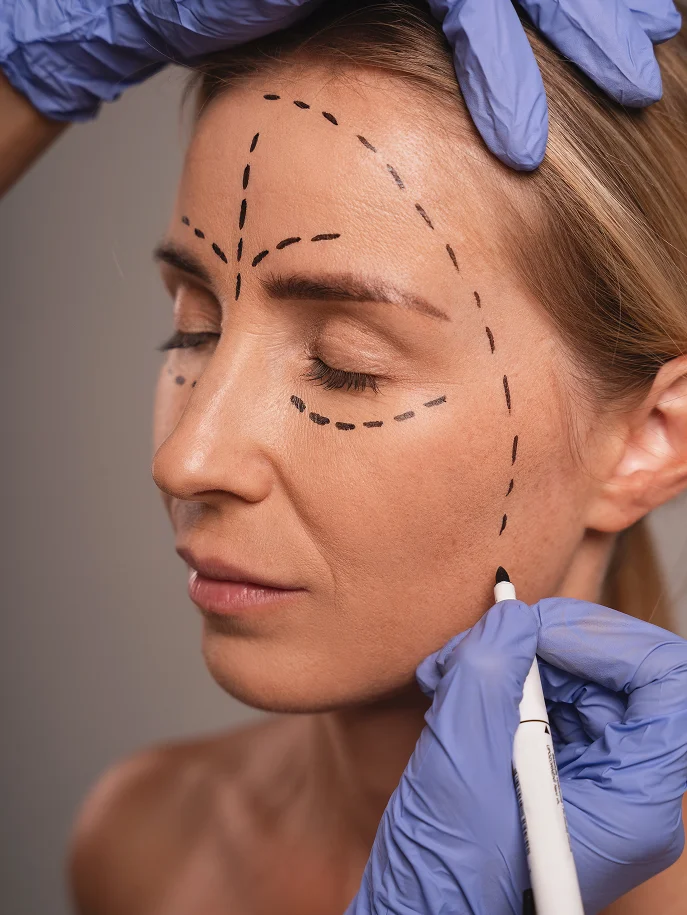
- Precise surgical markings.
- Carefully planned incisions placed in natural skin creases and around the ears.
- Repositioning of the underlying facial tissues.
- Removal of excess skin.
- Closure using fine cosmetic sutures.
- Application of specialized postoperative dressings.
Surgery generally lasts between 3 and 6 hours, depending on the extent of correction.
Recovery After Surgery
Recovery varies from patient to patient, but most individuals experience gradual improvement over several weeks.
During recovery:
- Swelling and bruising are expected during the first two weeks.
- Most patients return to work within 2–3 weeks.
- Strenuous physical activity should be avoided for approximately six weeks.
- Final results continue to improve over several months.
Regular follow-up visits allow your surgeon to monitor healing and ensure optimal results.
Benefits of Face and Neck Plastic Surgery
Modern facial rejuvenation surgery offers numerous advantages:
- A younger, refreshed appearance
- Improved facial and neck contours
- Reduction of deep wrinkles
- Long-lasting results
- Natural-looking facial expressions
- Increased self-confidence
When performed by experienced plastic surgeons, facelift procedures provide comprehensive rejuvenation without creating an artificial or "overdone" appearance.
Face and Neck Plastic Surgery at Helyos Medical Center
At Helyos Medical Center, every treatment plan is customized according to the patient's facial anatomy, aesthetic goals, and overall health.
The total cost of surgery depends on:
- Surgical complexity
- Number of procedures performed
- Type of anesthesia
- Hospital stay
- Individual postoperative care requirements
A detailed treatment plan and cost estimate are provided following consultation with a plastic surgeon.