Indications for pancreatic removal
Surgical intervention on the pancreas requires a highly skilled surgeon and thorough preoperative planning. The main indications for surgery are:
- pancreatic cancer at an operable stage;
- benign tumors with a risk of malignant transformation;
- cysts causing symptoms or showing signs of malignant transformation;
- chronic pancreatitis with complications that do not respond to conservative treatment;
- neuroendocrine tumors of the pancreas.
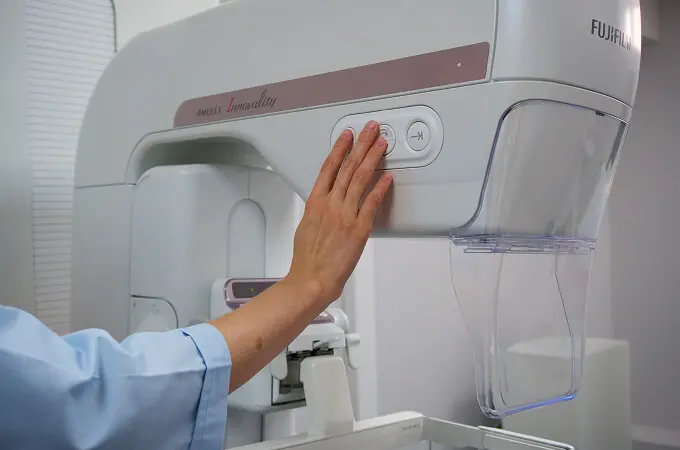
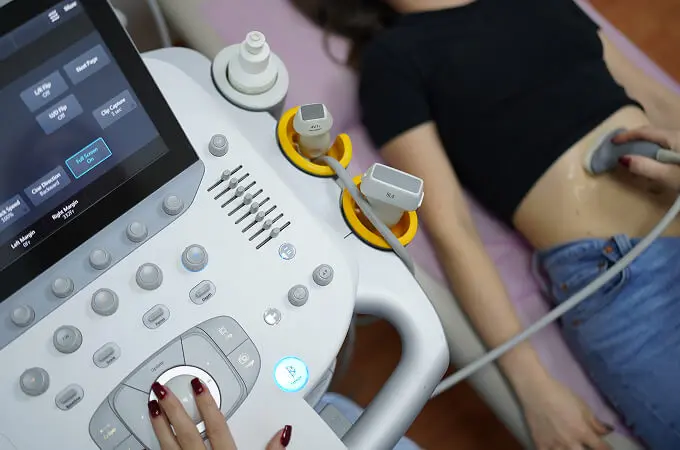
The decision to operate is made by the surgeon based on the results of a comprehensive workup. At Helyos Medical Center, diagnostics are performed on modern AI-assisted equipment. High-resolution computed tomography allows precise determination of the location and extent of the pathological process. The cost of pancreatic surgery can be confirmed during a surgeon's consultation after evaluating the examination results.
Medical fact: pancreatic cancer remains one of the most challenging oncological diseases. Surgical resection — the only method offering a chance of long-term remission — is possible in only 15–20% of patients at the time of diagnosis. This is precisely why prompt consultation with a specialist at the first symptoms is critically important.
Types of pancreatic surgery
The extent and type of surgical intervention depend on the location and nature of the pathological process. At Helyos Medical Center, pancreatic surgery is performed by experienced surgeons following modern European protocols.
Pancreaticoduodenectomy (Whipple procedure)
The Whipple procedure is the most common surgical method for treating cancer of the head of the pancreas. During the operation, the head of the pancreas is removed along with part of the duodenum, the gallbladder, and the bile duct, after which the surgeon restores the continuity of the digestive tract. At Helyos Medical Center, the procedure is performed by experienced surgeons following modern European protocols.
Important! The Whipple procedure (pancreaticoduodenectomy) for tumors of the head of the pancreas offers the best long-term survival outcomes, as it is the primary and only radical treatment method. In 90% of cases, patients with a tumor in the head of the pancreas are candidates for this operation.
Distal pancreatectomy
Distal resection is used for tumors and cysts of the body and tail of the pancreas. During the operation, the left portion of the organ is removed, in some cases together with the spleen. Compared with the Whipple procedure, distal resection is technically less complex and generally involves a shorter recovery period.
At Helyos Medical Center, distal pancreatic resection is performed laparoscopically in most cases. This minimally invasive approach significantly shortens the hospital stay and speeds up recovery compared with open surgery.
Tip: if a cyst is found in the pancreas, it is important to get a surgeon's consultation to assess its nature. Removal of a pancreatic cyst is recommended when symptoms are present, the mass is significant in size, or there are signs of a risk of malignant transformation.
Total pancreatectomy
Removal of the entire pancreas is performed only in strictly justified cases, when partial resection is not possible. After this operation, the patient requires lifelong replacement therapy — insulin and enzyme medications. Helyos Medical Center surgeons decide on total pancreatectomy only when there are clear indications, carefully weighing the benefits against the burden on the body.
Rehabilitation after pancreatic removal
Rehabilitation after pancreatic surgery requires time and a comprehensive approach. After the operation, the patient stays in the Helyos Medical Center inpatient unit under the supervision of surgeons and physicians. The length of the inpatient stage depends on the type and extent of the surgical intervention.
Proper nutrition is especially important during recovery. The patient gradually transitions from liquid food to a normal diet, avoiding fatty, spicy, and sweet foods. Enzyme medications are prescribed to support digestion, and insulin therapy is used if carbohydrate metabolism is impaired.
After discharge, it is recommended to:
- follow a diet limiting fats and simple carbohydrates;
- take the prescribed enzyme medications;
- regularly monitor blood sugar levels;
- gradually increase physical activity as advised by the physician;
- attend scheduled follow-up examinations.
Full recovery after the Whipple procedure takes an average of 2–3 months. After laparoscopic distal resection, most patients return to their usual routine within 4–6 weeks. Helyos Medical Center provides patient support at every stage of rehabilitation — from discharge to scheduled follow-up visits.
Important! Rehabilitation after pancreatic removal for cancer includes not only restoring digestive function but also ongoing oncological monitoring. Regular follow-up examinations allow timely detection of a possible recurrence and adjustment of the treatment strategy.
If you have been scheduled for pancreatic surgery or would like a surgeon's consultation, book an appointment at Helyos Medical Center. The center's physicians will carefully review your situation and propose the optimal treatment plan. You can book an appointment by phone at 067 000 01 50.
Prices


How is the consultation going?
Surgical treatment is indicated for pancreatic cancer at an operable stage, neuroendocrine tumors, benign masses with a risk of malignant transformation, symptomatic pancreatic cysts, and complicated chronic pancreatitis. Specific indications are determined by the surgeon based on examination results.
The choice of method depends on the tumor's location. For tumors of the head of the pancreas, the Whipple procedure (pancreaticoduodenectomy) is performed. If the body or tail of the organ is affected, pancreatic tumor removal is performed by distal resection. At Helyos Medical Center, such operations are performed laparoscopically in most cases. In rare cases of extensive involvement, total pancreatectomy is performed. The Helyos Medical Center surgeon determines the optimal treatment method individually.
The price of pancreatic surgery at Helyos Medical Center depends on the type of surgical intervention, the extent of preoperative workup, and the length of the inpatient stay. The cost of pancreatic surgery in a specific case can be confirmed during a surgeon's consultation after evaluating the diagnostic results.
Rehabilitation includes an inpatient stage under physician supervision, followed by at-home recovery with a prescribed diet and medications. After the Whipple procedure, full recovery takes 2–3 months; after laparoscopic distal resection, about 4–6 weeks. Helyos Medical Center provides patient monitoring at every stage of recovery.