What is endometrial cancer?
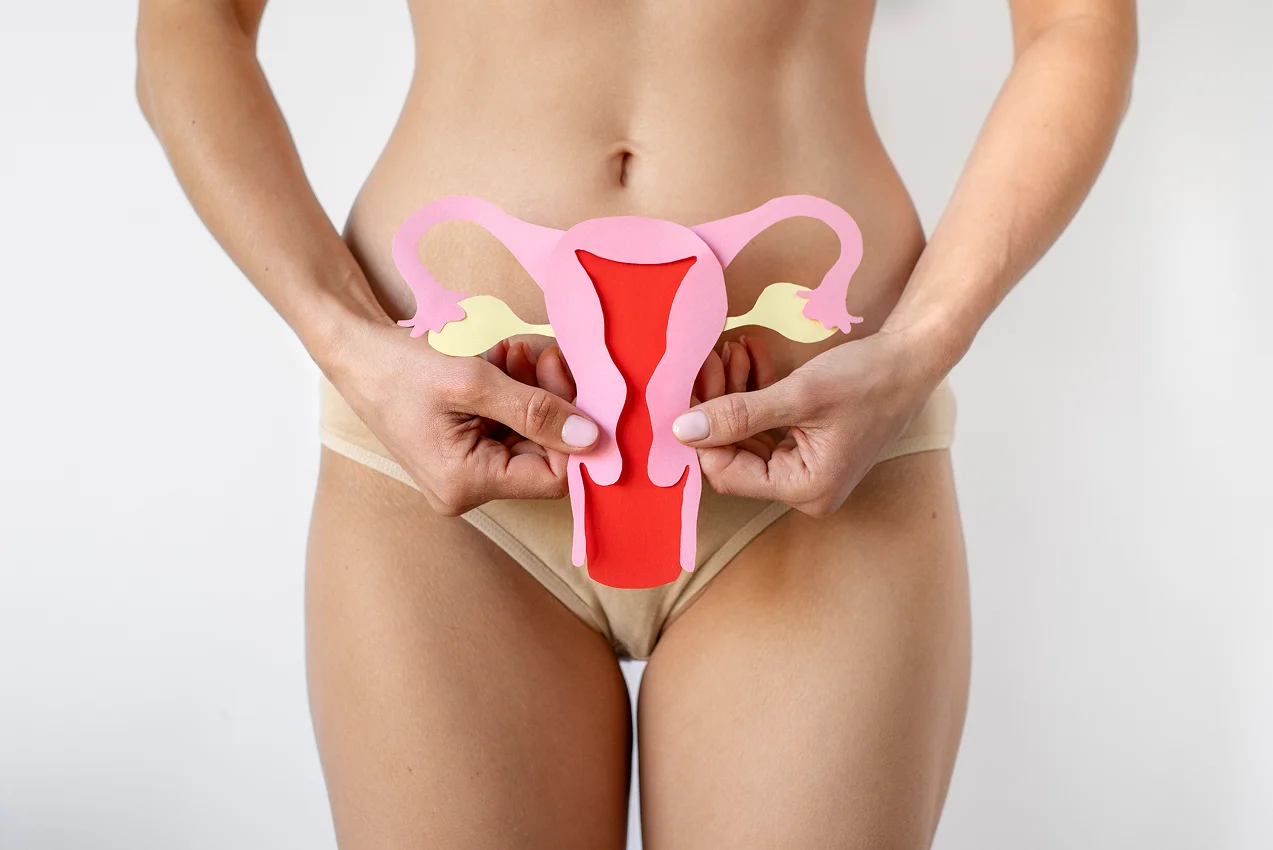
Uterine body cancer develops from the cells of the endometrium — the inner mucous lining of the uterus. It is the most common cancer of the female reproductive system in developed countries.
Medical fact. According to the American Society of Oncology, about 70% of endometrial cancer cases are diagnosed at stage I, when the tumor is confined to the body of the uterus. At this stage, surgical treatment gives the best long-term results.
Symptoms of uterine body cancer
Endometrial cancer has a characteristic early symptom — uterine bleeding in postmenopause or irregular bloody discharge in women of reproductive age. This is the sign that most often prompts a timely visit to a gynecologist. Other manifestations that should raise concern include pain or pressure in the lower abdomen and watery discharge.
Helyos Medical Center also performs surgical treatment of cervical cancer — another common gynae-oncological disease.
Causes and risk factors
Endometrial cancer more often develops in women with elevated estrogen levels. This is associated with a number of conditions and lifestyle factors. The main risk factors include:
- excess body weight and obesity;
- diabetes mellitus and metabolic syndrome;
- long-term use of estrogens;
- late menopause or no prior pregnancies;
- hereditary Lynch syndrome;
- a burdened family history.
Helyos Medical Center provides surgical treatment of fallopian tube cancer — a disease with similar risk factors.
Surgical treatment of uterine body cancer
Surgical intervention is the primary method of treating endometrial cancer. At Helyos Medical Center, operations are performed predominantly laparoscopically — through small punctures in the abdominal wall. The extent of the intervention depends on the stage of the disease and how far the process has spread:
- at early stages, when the tumor does not extend beyond the uterus — hysterectomy (removal of the uterus) is performed;
- when there is spread to the adnexa or a high risk — hysterectomy with salpingo-oophorectomy is performed (removal of the uterus together with the ovaries and fallopian tubes);
- when there is a risk of regional metastasis — lymph node dissection is performed (removal of regional lymph nodes).
The final decision on the choice of treatment tactics is made at a medical consultation involving an oncologist and a surgeon.
Rehabilitation and follow-up after treatment
After laparoscopy, most patients return to their usual life within 2–4 weeks. Recovery after open surgical intervention takes somewhat longer.
Important! Regular follow-up with a gynecologic oncologist after treatment is a mandatory part of patient management. Follow-up examinations are scheduled according to an individual timetable drawn up by the treating doctor.
Helyos Medical Center also performs surgical treatment of vulvar cancer and other gynae-oncological operations as part of a full cycle of specialized care.
Advantages of treatment at Helyos Medical Center
Gynae-oncological operations at Helyos Medical Center are performed by qualified surgeons according to modern international protocols. Preoperative examination — ultrasound, CT, laboratory diagnostics — is carried out at our own diagnostic center.
To book a consultation with a gynecologic oncologist, find out the preliminary price of the operation, or learn how much treatment for endometrial cancer costs in your case, call +380670000150 or use the online form on the website.