What is gastric cancer?
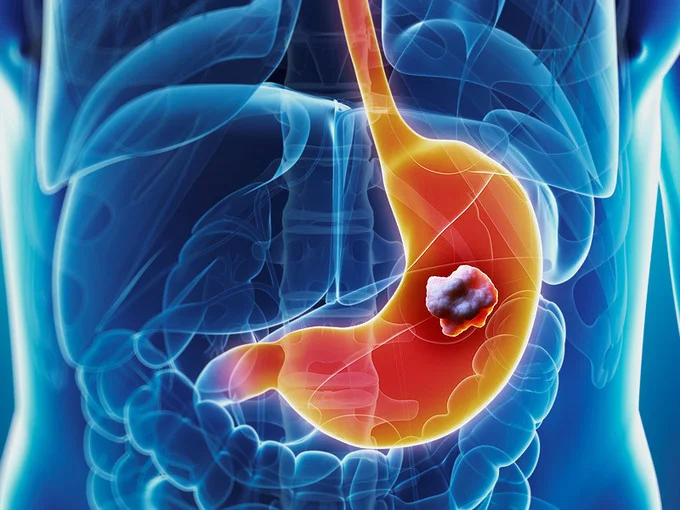
Gastric cancer is a malignant tumor that develops from the cells of the stomach's mucous membrane. The disease is more common in men over 50, though it is also diagnosed in younger patients. An important feature of this type of cancer is that in its early stages it responds well to surgical treatment, whereas in later stages it requires a comprehensive anticancer approach.
Types of gastric cancer
Most malignant stomach tumors are adenocarcinomas, which develop from the glandular cells of the mucous membrane. Lymphomas, stromal, and neuroendocrine tumors occur less often. The type of tumor, its location, and its stage determine the treatment strategy. This is precisely why accurate diagnostics are critically important.
Symptoms of gastric cancer
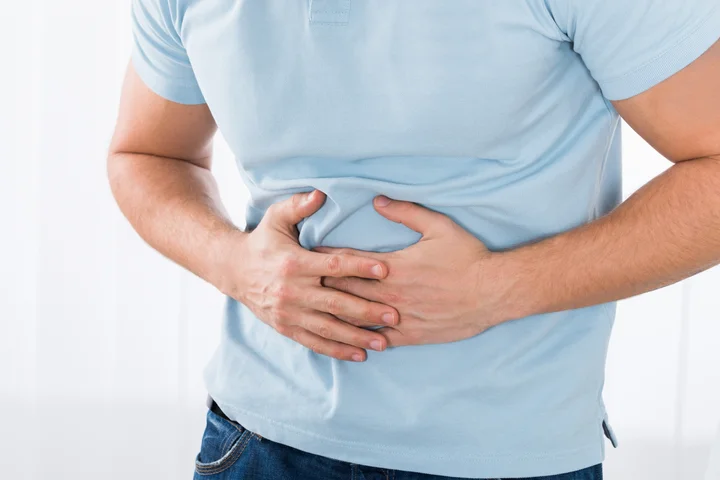
In its early stages, gastric cancer often presents with symptoms easily mistaken for ordinary digestive complaints. These include:
- discomfort or pain in the upper abdomen;
- heartburn, heaviness after eating, bloating;
- reduced appetite and early satiety;
- nausea and occasional vomiting;
- aversion to certain foods
Signs that appear at later stages of gastric cancer include: vomiting with blood, difficulty swallowing, changes in skin or eye color, weakness and fatigue, and unexplained weight loss.
Tip: if stomach-related symptoms persist for more than two weeks and do not respond to usual treatment, it is a reason for an endoscopic examination, especially if risk factors are present.
Causes of gastric cancer
The exact causes of gastric cancer are not fully understood. Known risk factors include:
- Helicobacter pylori infection;
- smoking and excessive alcohol consumption;
- a diet high in salted, smoked, and pickled foods;
- atrophic gastritis and intestinal metaplasia;
- hereditary predisposition and genetic syndromes, in particular Lynch syndrome;
- obesity.
Medical fact: studies show that a Mediterranean diet is associated with a lower risk of developing gastric cancer. Quitting smoking also significantly reduces the likelihood of the disease.
Diagnosing gastric cancer
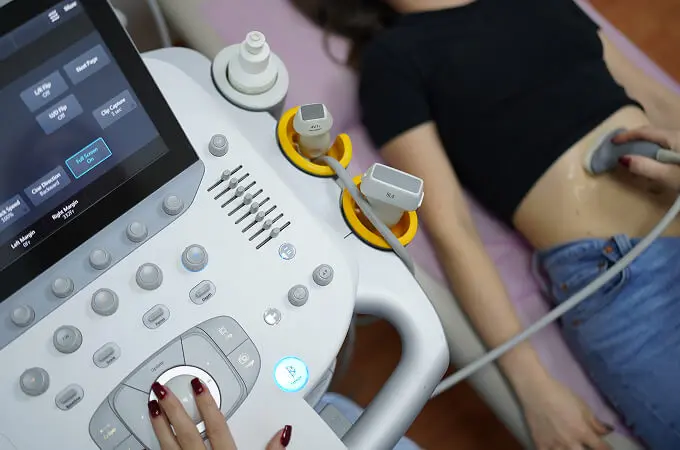
Diagnosing gastric cancer at Helyos Medical Center begins with gastroscopy — an endoscopic examination of the stomach's mucous membrane with the option to take a biopsy. This is the primary and most informative method for detecting a tumor and determining its nature. Computed tomography with AI support is used to assess the extent of the process. Laboratory tests round out the clinical picture. All examinations are performed on-site at Helyos Medical Center.
Gastric cancer: treatment with modern methods
Modern oncology offers a broad arsenal of methods for treating gastric cancer — from minimally invasive surgery to targeted and immune therapy. Surgery remains the primary treatment method for the disease at operable stages, or is performed to improve the patient's quality of life.
Depending on the location and extent of the tumor, either a partial gastrectomy or a total gastrectomy (complete removal of the organ) is performed. Laparoscopic gastrectomy at Helyos Medical Center is the method of choice for early and localized forms of gastric cancer.
Medical fact: studies show that laparoscopy for gastric cancer delivers the same long-term outcomes as open surgery, but with a lower complication rate and faster recovery.
Helyos Medical Center surgeons perform operations according to modern protocols that include mandatory removal of regional lymph nodes to reduce the risk of recurrence. After surgery, chemotherapy or targeted therapy is prescribed when needed. The treatment strategy is discussed with the patient at the consultation stage and built individually.
If you are experiencing symptoms or have already received a diagnosis, book a consultation with an oncosurgeon at Helyos Medical Center. The doctor will perform the necessary diagnostics and propose the optimal treatment plan. You can book an appointment by phone at 067 000 01 50 or through the online form on the website.

Prices


How is the consultation going?
Laparoscopic gastrectomy is performed through small incisions rather than a wide open cut, which significantly reduces tissue trauma. Compared with open surgery, it results in less blood loss, a shorter hospital stay, and a faster return to everyday life.
Preparation includes a standard preoperative workup: blood tests, a coagulation panel, and an assessment of cardiovascular function. A few days before surgery, it is recommended to switch to a light diet. Blood-thinning medications are adjusted as directed by the physician. The operation is performed on an empty stomach. The last meal should be no later than 8–12 hours before surgery. The cost of the operation and the full treatment plan are discussed with the patient at the preoperative consultation.
After surgery, the patient stays in the Helyos Medical Center inpatient unit for 1–3 days. Full recovery takes an average of 6–8 weeks. Nutrition is especially important during the postoperative period. The diet is expanded gradually — from liquid food to soft food and then to a normal diet. After complete removal of the stomach, the patient switches to small, frequent meals. The Helyos Medical Center physician will provide detailed dietary guidance and support the patient at every stage of recovery.