
What Is Gastrectomy?
Gastrectomy is the complete or partial removal of the stomach. In total gastrectomy, the entire stomach is removed; in subtotal gastrectomy, part of it is preserved. The extent of the operation is determined by the location and extent of the tumor.
After the stomach is removed, the surgeon restores continuity of the digestive tract by creating an anastomosis between the esophagus and the duodenum. Modern reconstruction methods allow patients to lead a full life after gastrectomy, provided they follow certain dietary recommendations.
Medical fact: according to a study published in the journal Chirurgia, the Roux-en-Y anastomosis (Roux-en-Y esophagojejunostomy) is the most common method of digestive tract reconstruction after total gastrectomy. It provides reliable restoration of digestive tract continuity and reduces the risk of reflux esophagitis.
Indications for Gastrectomy
The main indication for gastrectomy is operable-stage stomach cancer. Surgery allows radical removal of the tumor and reduces the risk of its further spread. The operation is also performed for:
- extensive precancerous changes of the gastric mucosa;
- severe forms of peptic ulcer disease with complications not responding to treatment;
- large benign tumors of the stomach;
- hereditary syndromes that significantly increase the risk of stomach cancer.
The decision to perform gastrectomy is made after a comprehensive examination. The surgeon at Helyos Medical Center discusses the indications, the extent of the upcoming operation, and the recovery plan with the patient in detail.
Preparing for Surgery
Before gastrectomy, the patient undergoes a comprehensive preoperative work-up: blood tests, a coagulation panel, gastroscopy with biopsy, and AI-assisted computed tomography. All examinations are performed at Helyos Medical Center.
A special diet is prescribed a few days before the operation. Blood-thinning medications are adjusted as directed by the doctor. The operation is performed on an empty stomach: the last meal is allowed 8–12 hours before surgery.
Stages of Gastrectomy
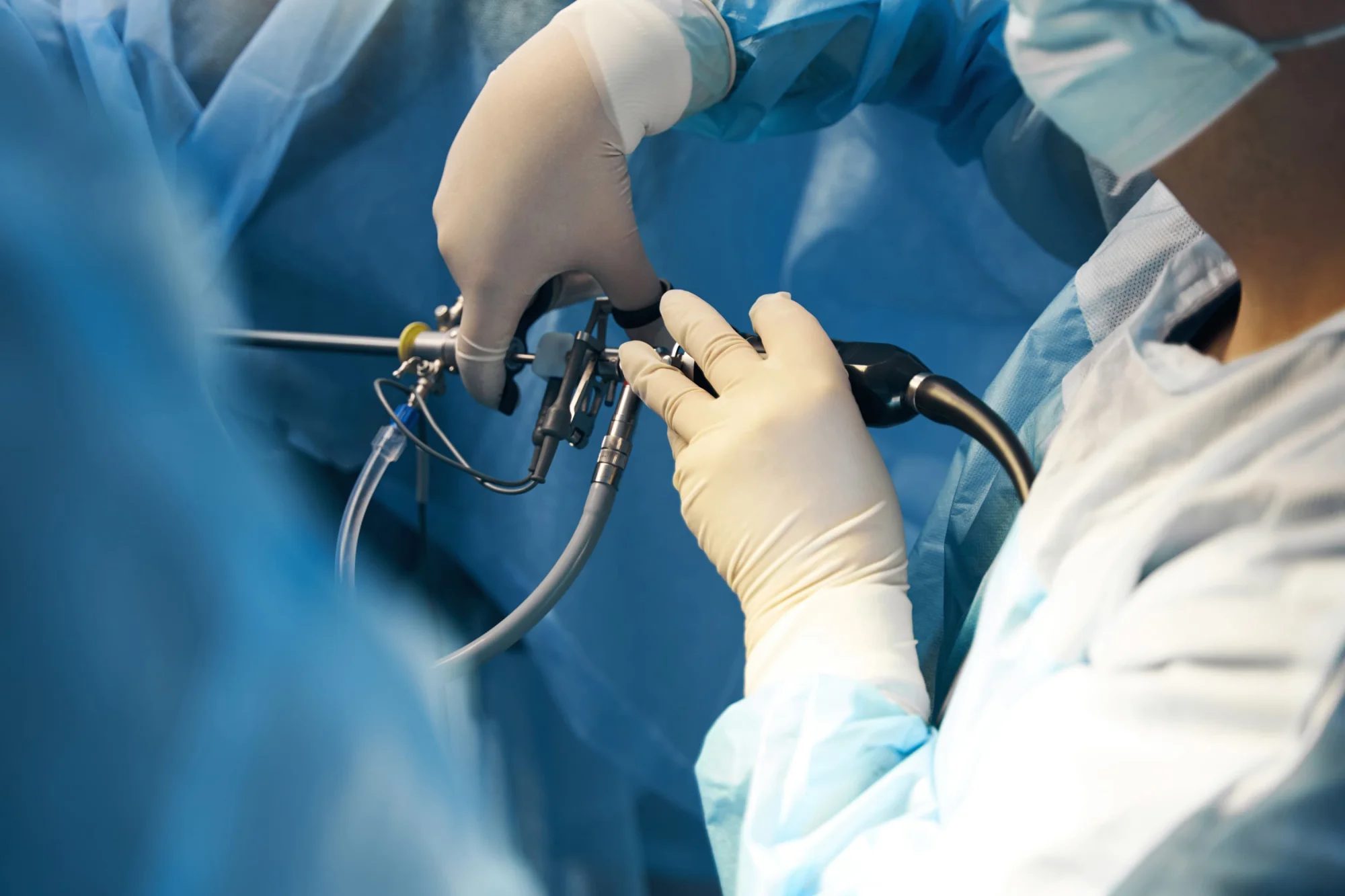
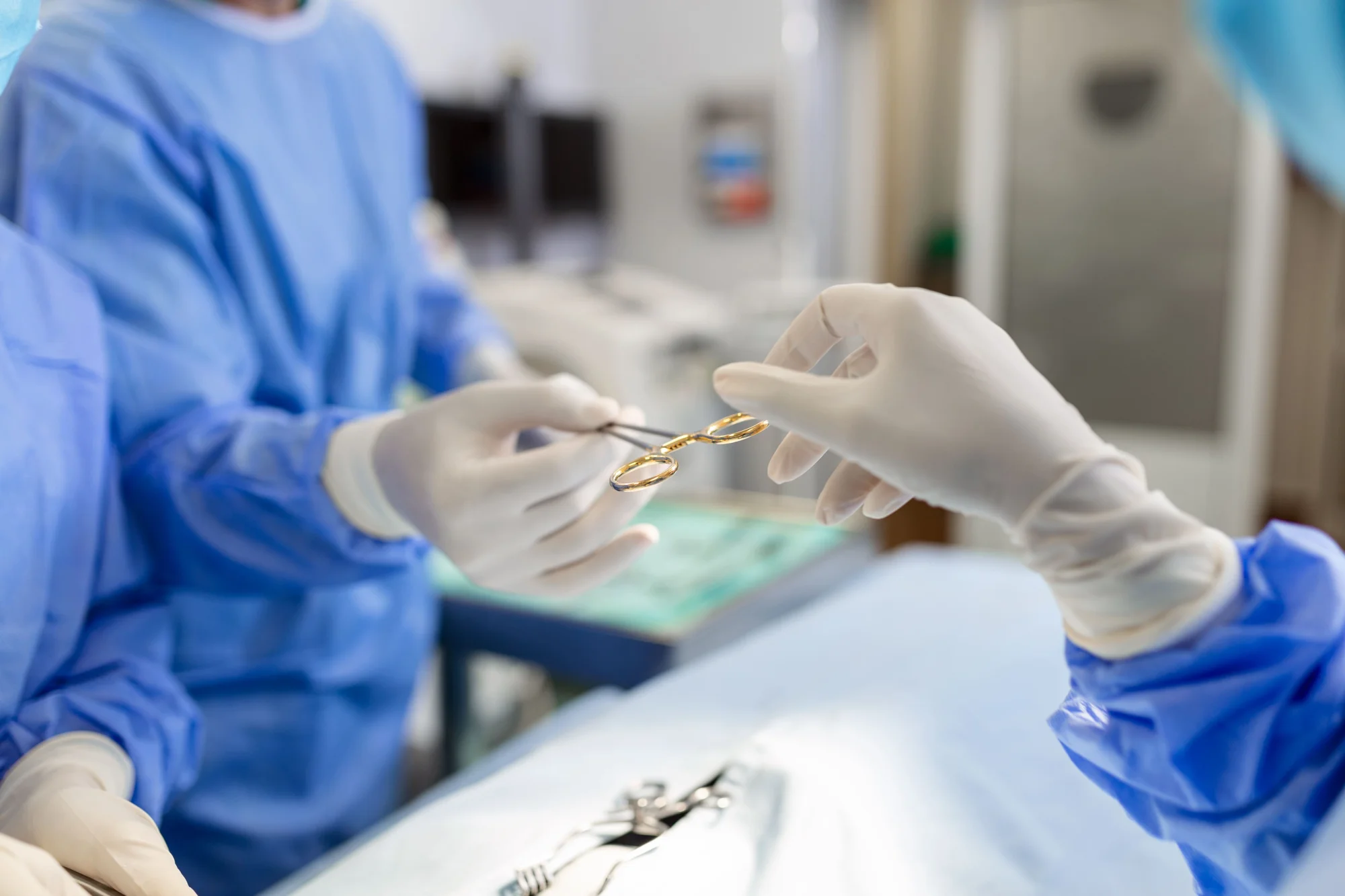
Gastrectomy is performed under general anesthesia. In most cases, a laparoscopic approach is used. The surgeon accesses the operative field through small incisions in the abdominal wall without a wide incision, which significantly shortens the recovery period.
Stomach Removal
The surgeon removes the affected part of the stomach or the entire organ, depending on the extent of the surgical procedure. If necessary, adjacent tissues are also included in the resection area.
Lymph Node Dissection
At the same time as stomach removal, lymph node dissection — removal of regional lymph nodes — is performed. This is a standard step in oncologic surgery that reduces the risk of recurrence and metastasis.
Digestive Tract Reconstruction
After the stomach is removed, the surgeon restores continuity of the digestive tract. The most common method of reconstruction is the Roux-en-Y anastomosis, in which the esophagus is connected to a loop of the jejunum. In some cases, the surgeon may choose an alternative reconstructive method (for example, creating a gastric pouch or jejunal interposition).
Recovery After Surgery
After gastrectomy, the patient stays in the Helyos Medical Center hospital for an average of up to 5 days. During this time, doctors monitor the patient's condition, provide pain management, and prescribe the necessary medication support.
The recovery period after gastrectomy takes an average of 2–3 months. Nutrition is especially important during this time. The diet is expanded gradually — from liquid food to soft food, then to regular food in small portions. After total gastrectomy, the patient switches to eating small meals 5–6 times a day. Vitamins and trace elements are also prescribed, since their absorption is impaired without a stomach.
Important! After gastrectomy, patients with an oncological diagnosis may be prescribed chemotherapy if needed. Helyos Medical Center provides comprehensive support at every stage of treatment and recovery.
Cost of Gastrectomy
The doctor discusses the price of the operation during the consultation, after evaluating the diagnostic results. The cost of gastrectomy at Helyos Medical Center depends on the extent of the surgical procedure, the method of access, and the length of the hospital stay. You can find out current prices by booking an appointment at 067 000 01 50.
Prices


How is the consultation going?
Gastrectomy is primarily indicated for cancer of the stomach at an operable stage. The operation is also performed for precancerous changes of the mucosa, complicated peptic ulcer disease, and large benign tumors. For hereditary syndromes with a high risk of stomach cancer, gastrectomy may be considered as a preventive measure.
The most common method is the Roux-en-Y anastomosis, in which the esophagus is connected to a loop of the jejunum. Other reconstruction options are possible after partial stomach removal. The surgeon at Helyos Medical Center selects the optimal method individually, taking into account the extent of the operation and the patient's condition.
The hospital stay takes up to 5 days. The full recovery period after gastrectomy is 2–3 months. During this time, the patient follows a special diet, takes prescribed medications, and is regularly monitored by a doctor. Most patients return to their usual activity level after 6–8 weeks.
After gastrectomy, digestive disturbances may occur during the adaptation period — discomfort after eating, changes in bowel movements, weight loss. Over time, the body adapts, and most patients return to their usual life with minimal restrictions. Gastroenterologists and dietitians at Helyos Medical Center help patients get through this period as comfortably as possible.
The doctor states the price of the operation during the consultation, after evaluating the examination results. The cost depends on the type of gastrectomy, the method of access, and the length of the hospital stay. You can book a consultation at Helyos Medical Center by calling 067 000 01 50.