Hernia Removal


A hernia is a pathological condition characterized by the protrusion of an organ or its part beyond its normal boundaries due to a weak spot in the muscle or tendon structure. The hernia consists of a hernial orifice and a hernial sac containing an undamaged part of an internal organ. Without proper treatment, this condition can lead to severe complications such as strangulation, inflammation, irreducibility, and necrosis of the herniated contents, posing a risk of peritonitis.

Removal of a hernia 1

Types of Hernias

Specialists classify hernias based on their location:

  • Hiatal hernia: A weakness in the diaphragm allows the stomach, part of the esophagus, or intestines to protrude into the chest cavity;
  • Inguinal hernia: A part of the intestine enters the inguinal canal, more common in men;
  • Hernia of the white line of the abdomen: Abdominal organs protrude through weak spots in the abdominal muscle connections;
  • Femoral hernia: Abdominal organs protrude into the femoral canal;
  • Umbilical hernia: A bulge forms around the navel area.

Additionally, specialists identify postoperative hernias, which form in the area of surgical scars and stitches.
Main Causes of Hernias

The primary cause of hernias is increased pressure in the abdominal cavity or intervertebral discs. Common contributing factors include:

  • Heavy physical exertion;
  • Obesity;
  • Persistent or severe coughing;
  • Pregnancy;
  • Chronic gastrointestinal disorders;
  • Chronic constipation;
  • Hereditary predisposition.

The condition of the muscle-tendon system also plays a crucial role. Contributing factors to weak spots in the abdominal wall include:

  • Previous laparotomy;
  • Connective tissue diseases;
  • Congenital muscle abnormalities;
  • Previous trauma;
  • Age-related changes.
Removal of a hernia 3
Created with Pixso.
Created with Pixso.

Indications for Hernia Removal

When a hernia occurs, specialists recommend surgical removal, as the protrusion will not disappear on its own and tends to grow. Hernias cause ongoing discomfort and pain and, without timely treatment, can lead to neurological and gastrointestinal disorders. Immediate surgical intervention is required for complications such as:

  • Strangulation;
  • Irreducibility;
  • Intestinal obstruction;
  • Hernial sac infection;
  • Compression of major blood vessels;
  • Damage to the spermatic cord in men.

Stages of Hernia Removal Surgery

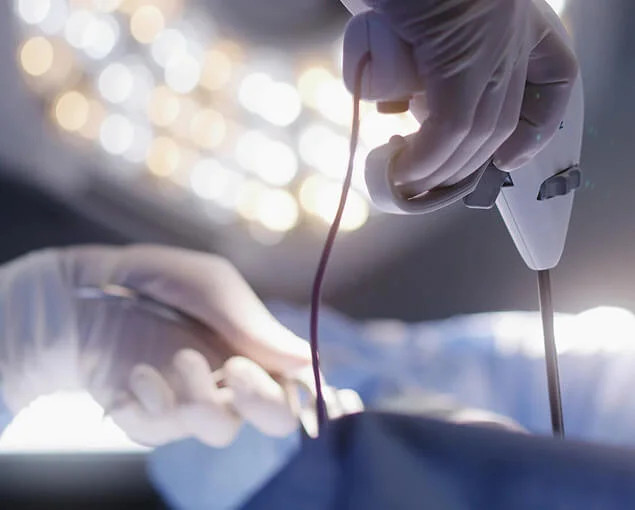
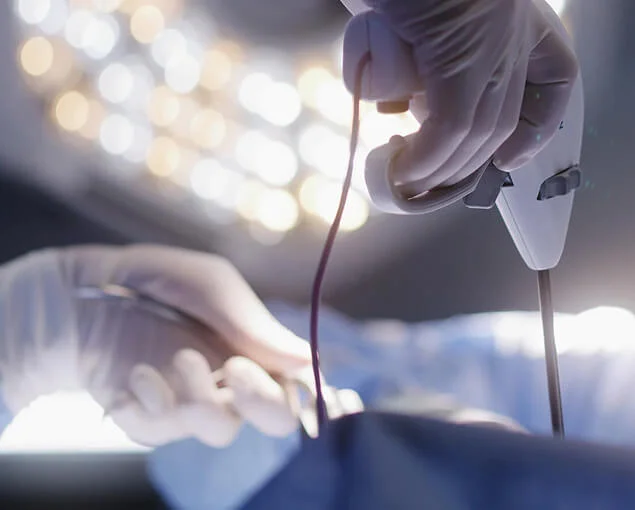
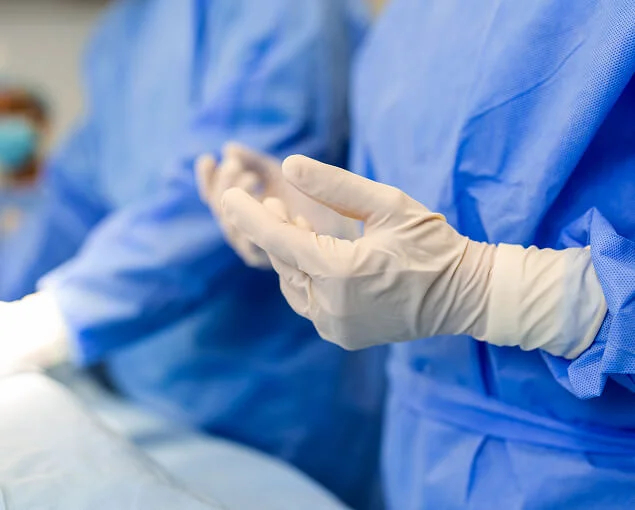
Hernia removal surgery is called hernioplasty. The hernia contents are repositioned, and the muscle-tendon defect is reinforced using a special mesh. Surgery may be performed openly or laparoscopically, depending on the type and complexity. At the Helyos center, specialists perform minimally invasive laparoscopic hernia removal using micro-instruments inserted through small incisions in the abdominal wall. The main surgical steps include:

  • Anesthesia administration;
  • Making incisions;
  • Repositioning the hernia contents;
  • Hernial orifice repair (mesh reinforcement);
  • Wound closure.
Removal of a hernia 4

Rehabilitation After Hernia Removal

The recovery period depends on the type and scope of surgery and the patient’s general condition. Typically, patients stay at the center for 2–5 days under medical supervision. After discharge, patients are given guidelines for home recovery. It is important to identify the underlying cause of the hernia to prevent recurrence. The recovery period usually lasts from 1 to 6 months, and patients should:

  • Limit physical activity;
  • Avoid constipation;
  • Perform therapeutic exercises;
  • Refrain from harmful habits;
  • Stay well-hydrated;
  • Take prescribed medications;
  • Wear a support bandage if advised;
  • Attend regular follow-up visits.

Advantages of Hernia Removal at Helyos Medical Center

Helyos Medical Center is fully equipped with state-of-the-art technology to successfully perform surgeries of any complexity. Our doctors take an individual and comprehensive approach, conduct thorough diagnostics, and select the most effective treatment method. Located in Dnipro, Helyos employs highly experienced top-tier specialists who use advanced techniques and achieve excellent outcomes in hernia treatment. Each patient room is fully equipped to ensure maximum comfort before and after surgery.

Removal of a hernia 5

Prices

Surgeon consultation
800 UAH
Surgeon consultation (Dr. of Medical Sciences)
1100 UAH
Umbilical or inguinal hernia repair
35000 UAH
Laparoscopic hernia repair
35000 UAH
Ventral hernia repair (up to 10 cm), alloplasty
45000 UAH
Ventral hernia repair (over 10 cm), alloplasty
50000 UAH
Make an appointment
Enter your full name
Enter your phone number
Choose a specialist
Choose a specialist
Choose a branch
Choose a branch
img

Hernia Removal in Dnipro

  • How much does a hernia repair cost at the Helios Medical Center?

The cost of surgery depends on the type of hernia, the treatment method (laparoscopic or open), the complexity of the case, and the need for hospitalization. You can find out how much a hernia repair costs in Dnipro by contacting the Helios Medical Center.

  • How to prepare for hernia surgery?

Before surgery, the patient undergoes a consultation with a surgeon, laboratory tests, and instrumental examinations.

  • What types of hernias are repaired?

The Helios Medical Center performs surgeries for inguinal, umbilical, incisional, and ventral hernias. The surgeon selects the surgical method individually.

  • Is a mesh implant used?

Yes, if necessary, a modern mesh implant is used, which strengthens the tissue and reduces the risk of recurrence.

  • What is the difference between laparoscopic and open hernia repair?

Laparoscopic surgery is less traumatic, with a quicker recovery and a shorter rehabilitation period compared to the open method.

  • When does a hernia require urgent surgery?

Urgent surgery is necessary if the hernia is strangulated, there is severe pain, circulatory problems, and there is a risk of tissue necrosis.

  • When can I return to physical activity after surgery?

Recovery takes from several weeks to 1-2 months, depending on the extent of the procedure and the doctor's recommendations.