Adrenalectomy


Adrenalectomy is a surgical procedure that involves the removal of an adrenal gland. The adrenal glands are paired organs located above the upper poles of the kidneys. They play an important role in the endocrine system, affecting water-salt balance, metabolism, and the regulation of sexual functions. The glands secrete adrenaline and noradrenaline, which influence the body's response to stress and environmental changes. Although conservative methods are often used to treat adrenal diseases, in some cases, the removal of the organ is the only way to improve the patient's condition.

Photo of Adrenalectomy - Removal of the Adrenal Gland in Dnipro 1

Indications for Adrenalectomy

Total adrenalectomy is indicated when there is no positive effect from conservative treatment or partial resection of the organ. This condition can develop in the following diseases:

  • Hormone-active adenoma with progressive growth;
  • Complicated Cushing's disease;
  • Conn's syndrome;
  • Pheochromocytoma;
  • Metastasis of tumors from other organs;
  • Medullary cyst that hinders the proper functioning of the organ.

Adrenal gland dysfunction is characterized by pronounced symptoms. The patient may experience high blood pressure, tachycardia, dysuric phenomena, migraine attacks, weight gain, reduced libido, and more. Therefore, it is important to seek medical attention for early diagnosis of adrenal diseases.
Contraindications for Adrenalectomy

Adrenalectomy may be contraindicated in the following cases:

  • Cardiovascular diseases in the decompensated stage;
  • Infectious diseases;
  • Severe form of diabetes mellitus;
  • Inflammatory processes in the body;
  • Weakened immune system;
  • Pregnancy;
  • Blood disorders.

The patient’s health will first be stabilized, and accompanying diseases treated, before making a decision about the appropriateness of adrenal gland removal.

Photo of Adrenalectomy - Removal of the Adrenal Gland in Dnipro 3
Created with Pixso.
Created with Pixso.

Preparation for Adrenal Gland Removal

Before undergoing adrenalectomy, a comprehensive health examination is required. The patient will first consult with a therapist and a surgeon, who will refer them for the following tests:

  • General blood test;
  • General urine test;
  • Coagulogram;
  • Tests for Hepatitis B and C;
  • Wassermann test;
  • Biochemical blood analysis;
  • Tests for HIV and others.

Functional tests of the organs are also performed before surgery. These include:

  • ECG;
  • Chest X-ray;
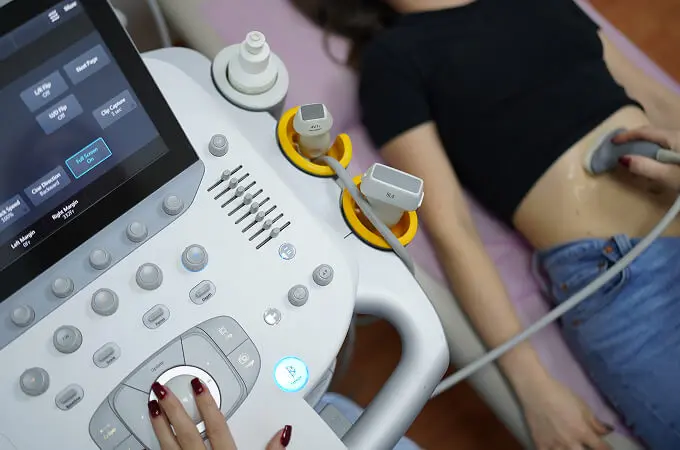
  • Abdominal ultrasound;
  • Adrenal CT;
  • MRI;
  • Blood pressure and pulse measurements;
  • Biopsy (if indicated);

If necessary, consultations with related specialists and additional diagnostic methods may be prescribed. It is also recommended to follow a light diet and empty the intestines before the surgery.

Photo of Adrenalectomy - Removal of the Adrenal Gland in Dnipro 4

Stages of Adrenalectomy

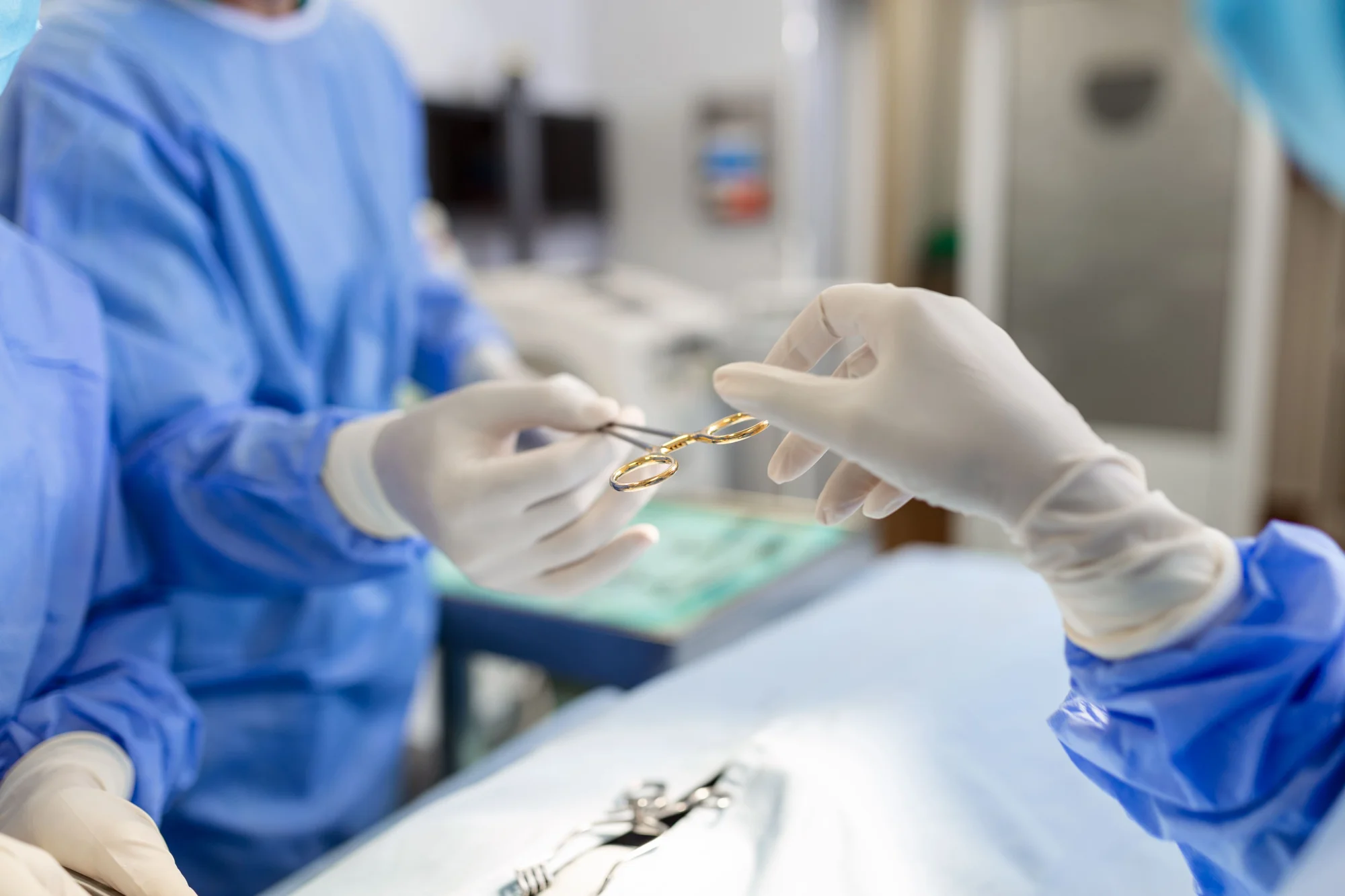
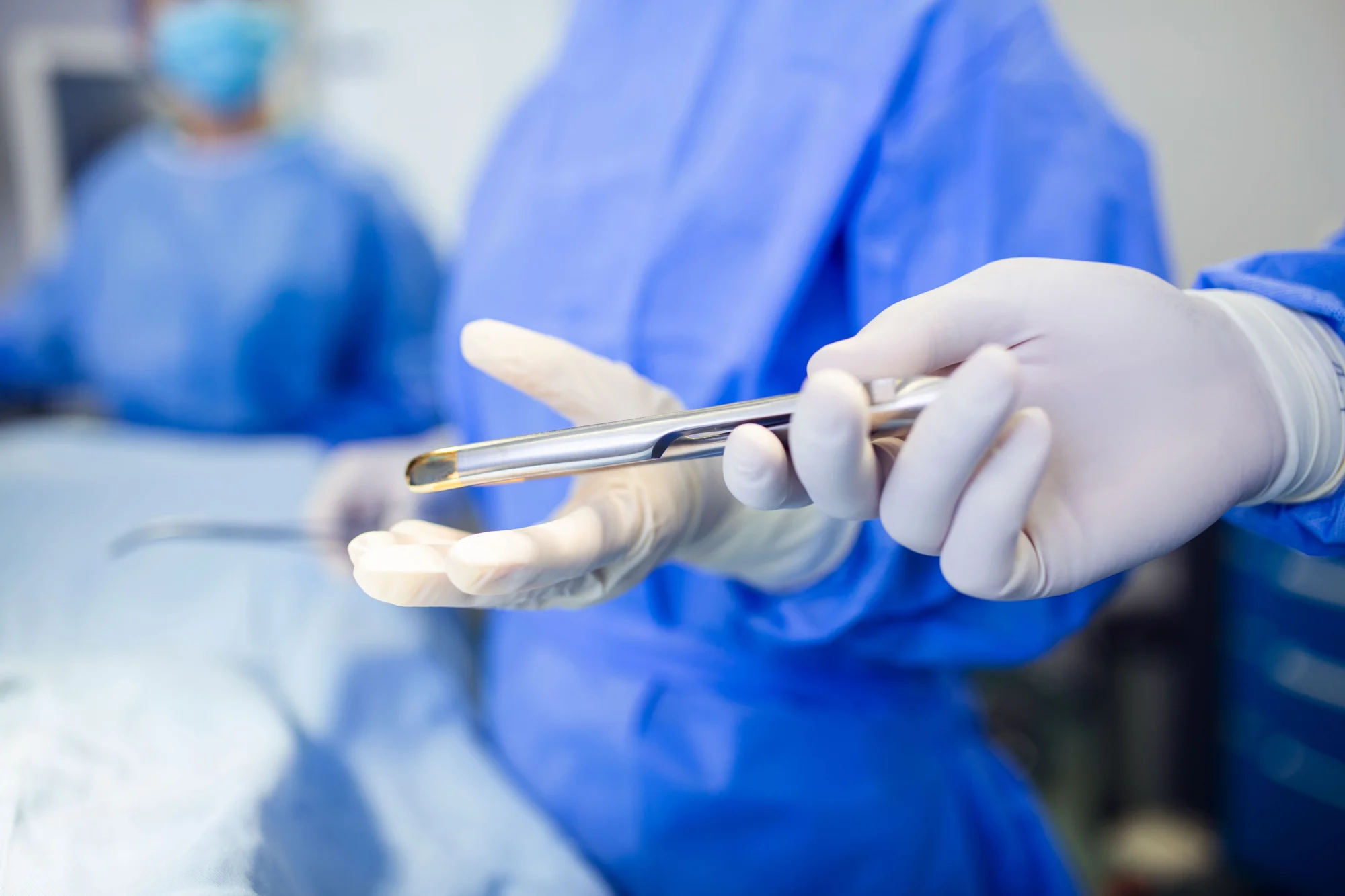
Specialists at the "Helyos" center use a laparoscopic technique for performing adrenalectomy. This is a minimally invasive surgery that involves performing the procedure through small incisions in the abdomen using micro instruments. The laparoscopic method minimizes tissue trauma and reduces the recovery period, lowering the risk of complications. The adrenalectomy procedure includes the following steps:

  • Premedication;
  • Administration of anesthesia;
  • Positioning the patient in a lateral position;
  • Identifying the points for trocar punctures (usually 3-4);
  • Making the incisions;
  • Clipping the blood vessels;
  • Removing the adrenal gland;
  • Suturing the punctures.

The duration of the operation ranges from 30 minutes to two hours. Afterward, the patient is transferred to the recovery room under the supervision of medical staff.

Information about pricing for adrenalectomy services is available directly from the medical center.

Advantages of Performing Adrenalectomy at the "Helyos" Center

Highly qualified surgeons at the "Helyos" center have successfully treated various adrenal diseases for many years. The "Helyos" Medical Center in Dnipro is equipped with state-of-the-art European equipment and uses innovative methods for precise diagnosis and the proper selection of treatment. Our doctors apply an individual and comprehensive approach to each patient, allowing for rapid recovery and a positive prognosis.

Photo of Adrenalectomy - Removal of the Adrenal Gland in Dnipro 5

Prices

Surgeon consultation
800 UAH
Surgeon consultation (Doctor of Medical Sciences)
1100 UAH

How is the consultation going?

How do I prepare for an adrenalectomy?

Preparation for adrenal gland removal surgery begins with a comprehensive workup that includes blood tests, a hormone profile, a coagulation panel, and computed tomography to precisely determine the location and nature of the mass. Patients with hormonally active tumors, such as pheochromocytoma, receive special medication preparation on the eve of surgery to stabilize blood pressure and reduce the risk of intraoperative complications. Blood-thinning medications are adjusted as directed by the physician. The last meal is permitted 8–12 hours before the surgical procedure. The physician at Helios Medical Center discusses all the details of the preparation with the patient during the preoperative consultation.

How long does recovery take after adrenal gland removal?

After a laparoscopic adrenalectomy, patients usually stay in the hospital for 1 to 3 days and then continue their recovery at home until they fully return to their usual activity. The pace of rehabilitation depends on the type of tumor. With pheochromocytoma, blood pressure normalizes in the first days after surgery. With aldosterone-producing tumors, potassium levels usually return to normal soon after the adrenalectomy, whereas a decrease in blood pressure may take from several weeks to several months. At Helios Medical Center, the patient receives detailed recommendations on activity and nutrition at discharge.

What alternatives to adrenalectomy are there?

For small, hormonally inactive adrenal masses, a watchful-waiting approach with regular follow-up monitoring is possible. For certain hormonally active tumors, such as in primary hyperaldosteronism, medication therapy with mineralocorticoid receptor antagonists may be used as an alternative to surgery. However, in the case of malignant tumors and masses with signs of hormonal activity that do not respond to conservative treatment, adrenalectomy remains the treatment of choice.

What are the long-term consequences of adrenal gland removal?

When one adrenal gland is removed, the other one usually compensates for its function, so most patients do not need hormone therapy after a unilateral adrenalectomy and live without significant restrictions. After removal of both adrenal glands, lifelong hormone replacement therapy is required. The cost of a laparoscopic adrenalectomy at Helios Medical Center can be found out during a consultation with the surgeon after a comprehensive examination. How much adrenal gland removal costs in a specific case depends on the extent of the operation and the length of the hospital stay.

Make an appointment
Enter your full name
Enter your phone number
Choose a specialist
Choose a specialist
Choose a branch
Choose a branch