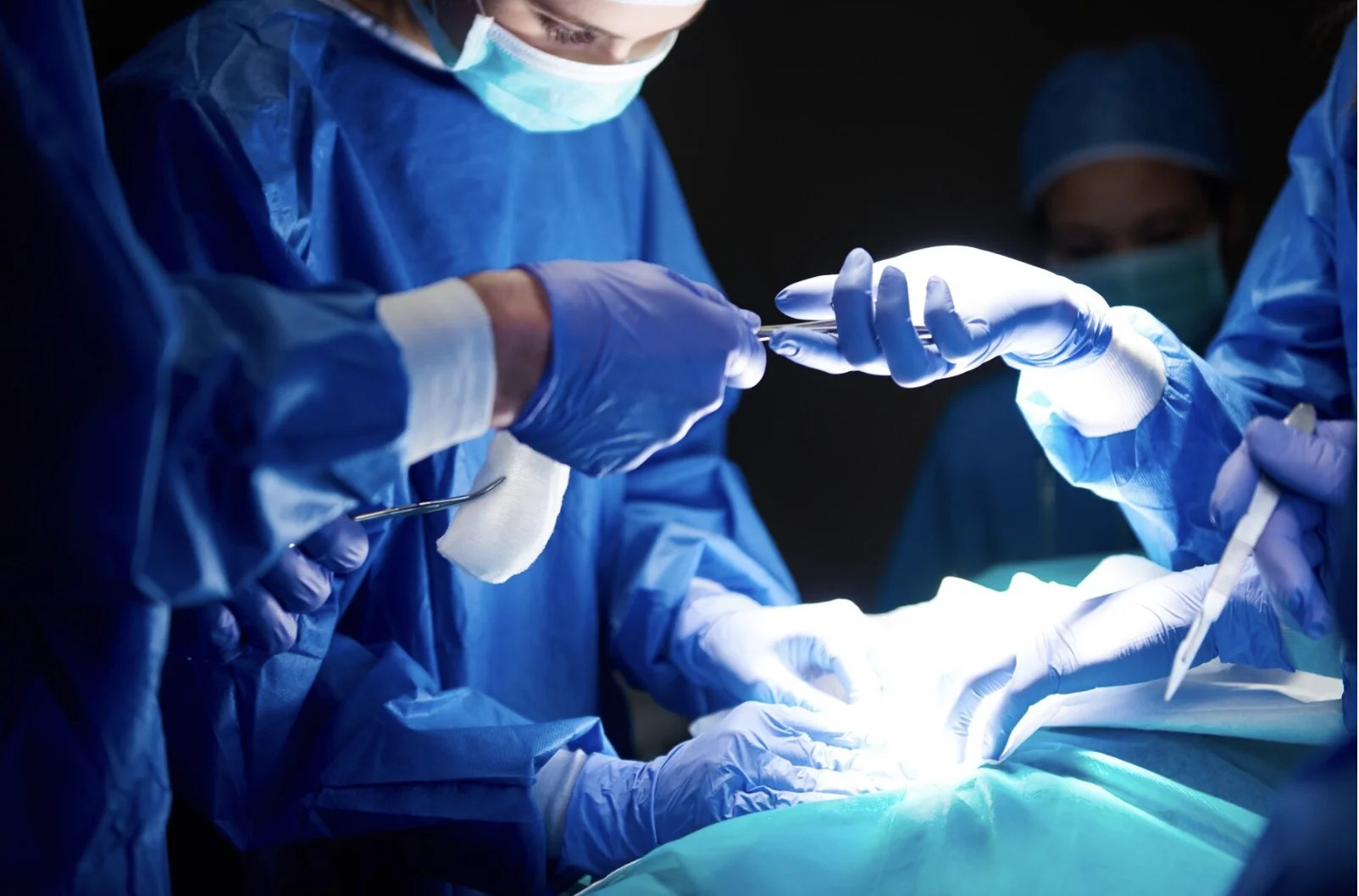
Thoracic Surgery at Helyos Center for Surgery and Rehabilitation

Thoracic surgery is a medical field dedicated to the surgical treatment of organs within the chest cavity. This specialty encompasses operative procedures on the lungs, esophagus, mediastinum, and surrounding structures.

At Helyos Medical Center in Dnipro, thoracic operations are performed by elite, seasoned surgeons using advanced equipment and minimally invasive techniques, which substantially minimize physical trauma and accelerate patient recovery.

Key characteristics of chest cavity surgery

The thoracic cage is an anatomically closed space, and any intervention requires meticulous pre-operative planning. To achieve this, Helyos utilizes a 128-slice CT scanner equipped with artificial intelligence features and a digital Fujifilm X-ray — high-end systems that provide a crystal-clear map of the thoracic organs before therapy begins.

Thoracic surgery is intimately linked to vascular surgery: pathologies of the aorta and major chest blood vessels frequently require the joint participation of both thoracic and vascular surgeons. At Helyos, expert consultations with our Vascular Surgery Department are available immediately, without needing external transfers.

Thoracic Surgery 1
Thoracic Surgery 2

How is the consultation going?

Advantages of choosing a thoracic surgeon at Helyos Medical Center

Helyos is a premier, multidisciplinary surgical and rehabilitation hospital where thoracic surgery operates as an interconnected component of a unified medical ecosystem.

Our thoracic surgeons collaborate closely with cardiopulmonary rehabilitation experts. This is exceptionally vital following lung resections, as restoring optimal breathing volumes requires a systematic, medically monitored approach.

The department is equipped with modern surgical suites engineered for elective and complex emergency operations. The inpatient hospital functions non-stop.

Alongside thoracic surgery, Helyos hosts various advanced surgical departments — including colorectal surgery, ENT, endocrine surgery, surgical mammology, and general abdominal care.

To check the cost of a thoracic surgery consultation, verify pricing for operations in Dnipro, or book a clinical appointment, you can contact us online or dial 0670000150.

Make an appointment
Enter your full name
Enter your phone number
Choose a specialist
Choose a specialist
Choose a branch
Choose a branch
img

Thoracic Surgery in Dnipro

  • How much does a thoracic surgeon consultation cost at Helios Medical Center?

A thoracic surgeon consultation at Helios Medical Center costs 900 hryvnias.

  • How do I schedule an appointment with a thoracic surgeon?

You can schedule an appointment with a thoracic surgeon by phone or through the online form on the website. The administrator will select a convenient time for the consultation and confirm the cost.

  • What conditions does a thoracic surgeon treat?

A thoracic surgeon diagnoses and treats diseases of the chest organs. The main indications include pneumothorax, rib injuries, chronic lung infections, tumors, and respiratory malformations. The specialists at Helios Medical Center tailor an individual approach to each patient, assessing the need for conservative treatment or surgical intervention.

  • What rehabilitation is necessary after lung surgery?

After thoracic surgery, special attention is paid to restoring respiratory function and strengthening the body. Patients are prescribed breathing exercises, gradual physical activity, and regular checkups with the surgeon. It is also important to monitor nutrition and follow recommendations for preventing complications to speed up the return to normal activities.

  • How to prepare for thoracoscopic surgery?

Preparation for thoracoscopy begins with a thorough diagnosis: laboratory tests, an ECG, and a chest X-ray or CT scan are required. Before surgery, an anesthesiologist will consult with you, and recommendations on diet and medication will be given.

  • How is pneumothorax surgery performed?

Pneumothorax surgery aims to restore the lung to normal condition. In most cases, the surgeon inserts a drain to remove air from the pleural cavity and then performs thoracoscopic surgery to eliminate the cause of the collapsed lung. Minimally invasive techniques allow for a faster recovery and reduce the risk of complications.

  • How to minimize complications after thoracic surgery?

After surgery, it's important to strictly follow your surgeon's recommendations, regularly perform breathing exercises, and maintain physical activity. Monitoring your diet, supporting your immune system, and regular follow-up appointments help reduce the risk of complications and speed up your recovery.