What is crossectomy and why is it performed for varicose vein disease?
The dilation of veins is related to impaired function of the valve apparatus: when the valves fail, blood flows in the opposite direction, which raises pressure in the veins. This leads to stretching and deformation of the vessels. Crossectomy is a surgical intervention in which the doctor blocks off the section of the vein through which blood flows incorrectly.
When does crossectomy become necessary for varicose veins?
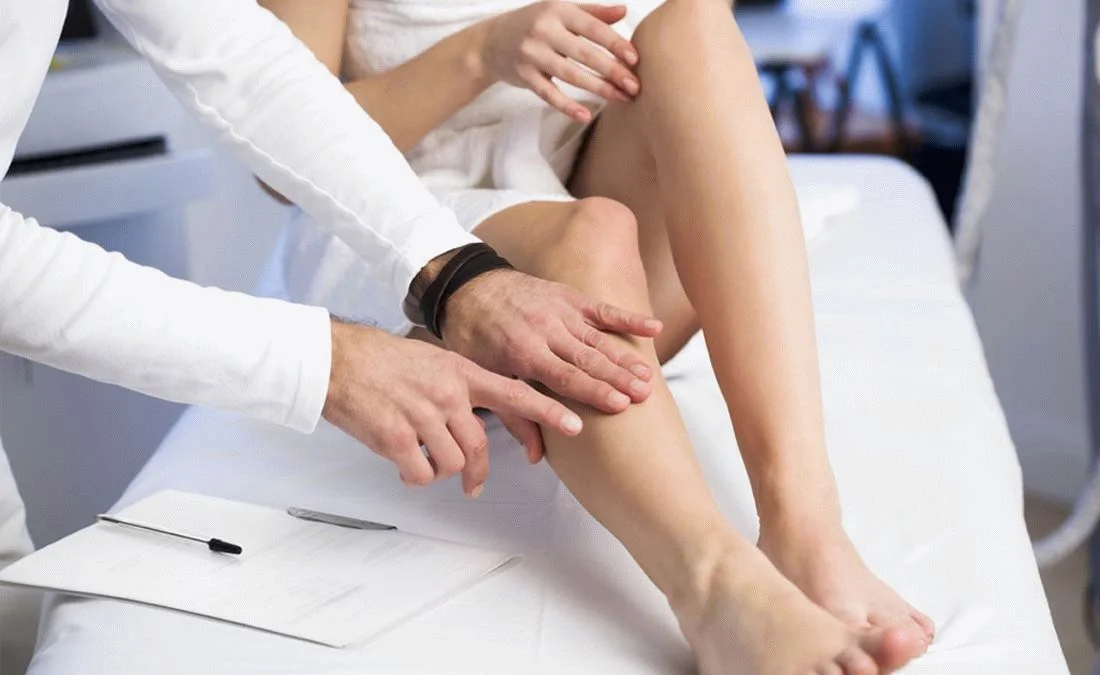
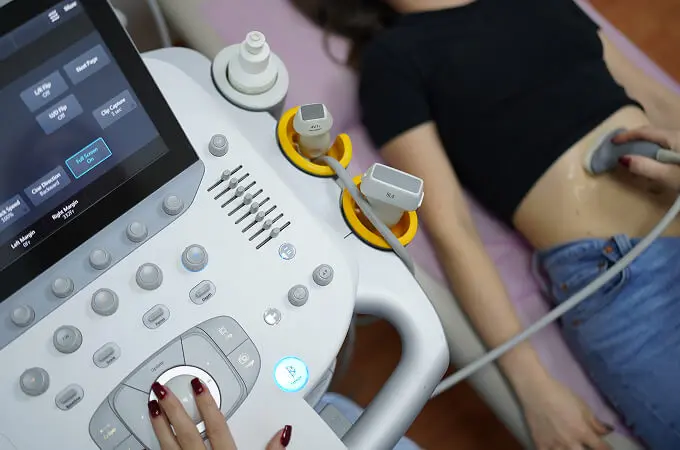
The decision to perform surgery is made by the doctor after an examination and vein ultrasound. Surgery is recommended in the following cases:
- pronounced vein dilation with persistent discomfort;
- progression of the disease despite therapy;
- previous thrombophlebitis and risk of recurrent thrombosis;
- no effect from conservative methods.
The treatment approach is determined individually. In some cases phlebectomy — removal of the affected venous trunks — is additionally prescribed.
How is crossectomy surgery performed?
The surgical intervention is performed under local anesthesia and takes about half an hour. After the operation a compression bandage is applied, and you can go home within a few hours. If the varicose nodes are small, the doctor may suggest miniphlebectomy — removal of the nodes through tiny punctures, without incisions.
At Helyos Medical Center, phlebology operations are performed according to modern surgical protocols. In the majority of cases (99%), minimally invasive methods are used, providing a reliable result with minimal strain on the body.
Risks of complications from untreated varicose veins
Varicose veins are often seen as a cosmetic problem, and treatment is put off for years. Meanwhile, as the disease progresses, trophic disorders develop: persistent swelling, skin changes, and in advanced cases, trophic ulcers of the lower leg, which are much more difficult and lengthy to treat than the varicose veins themselves. Another serious risk is venous thrombosis.
Timely consultation with a doctor and modern methods of vascular surgery help prevent these changes and preserve full quality of life.
Recovery after vein surgery
Rehabilitation after crossectomy usually does not take much time. Most patients return to their usual pace of life within 1–2 weeks. Recommendations:
- 1–3 days — compression bandage, gentle walking;
- 1–2 weeks — compression garments, limited exertion;
- 1 month — follow-up examination with a phlebologist.
Important! Certain restrictions — in particular, a ban on visiting saunas and steam baths and on long flights — apply for several weeks after surgery.
Advantages of treatment at Helyos Medical Center
Helyos Medical Center offers patients a comprehensive approach to treating varicose vein disease — from the initial consultation with a phlebologist and ultrasound diagnostics through to surgical intervention and full rehabilitation, all in one place and at a price agreed in advance.
If you are concerned about varicose vein symptoms, book an appointment at Helyos Medical Center. A specialist will carry out an examination, order diagnostics if needed, select the optimal treatment option, and confirm the cost of surgery.