Diagnostic Methods for Genital Anomalies:
1.Gynecologist or Urologist Consultation:
- The doctor conducts an examination, takes a medical history, and determines the need for further tests.
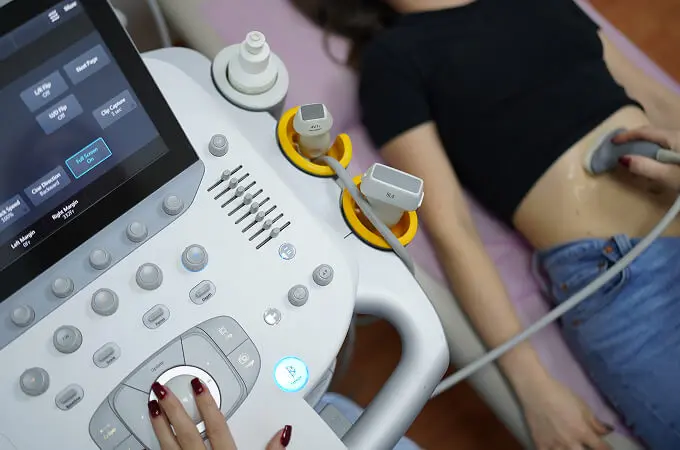
2.Ultrasound Examination (USG):
- Ultrasound helps detect structural and developmental abnormalities in reproductive organs, such as the uterus, ovaries, and fallopian tubes.
3.Genetic Testing:
- Genetic analysis helps identify abnormalities that may influence reproductive organ development.
4.Magnetic Resonance Imaging (MRI):
- MRI assesses internal organs and pelvic structures to detect any abnormalities or deviations.
5.Laparoscopy and Hysteroscopy:
- Minimally invasive procedures used to evaluate internal reproductive organs and diagnose conditions like uterine anomalies.
Treatment Methods for Genital Anomalies at the Helyos Center:
1.Conservative Treatment:
- In some cases, medication therapy, including hormone treatments, may help correct reproductive organ development.
- Special exercises and physiotherapy may be used to address certain abnormalities.
2.Surgical Treatment:
- Reconstructive Surgery: Surgical correction of congenital reproductive organ anomalies, such as hypoplasia or dysgenesis.
- Aesthetic and Functional Surgery: Procedures aimed at improving the appearance or restoring the function of reproductive organs, including uterine, ovarian, or vaginal reconstruction.
- Surgical Correction of Intersex Conditions: Procedures to correct sexual differentiation disorders for normalization of sexual identity and physiological functions.
3.Psychological Support and Counseling:
- Patients with reproductive organ anomalies may require psychological support to help them through treatment and sexual identity correction.
4.Post-Surgical Rehabilitation:
- After surgery, patients undergo rehabilitation, including physiotherapy, monitoring of reproductive organ functions, and hormonal balance correction.