Gastroscopy: Advanced Diagnosis of Stomach and Upper Gastrointestinal Disorders


What Is Gastroscopy?

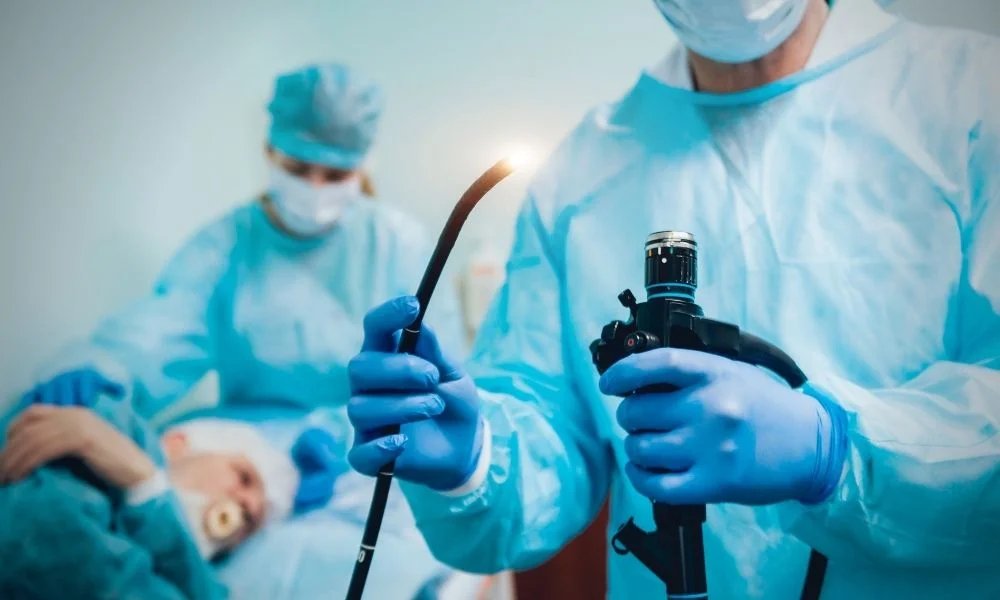
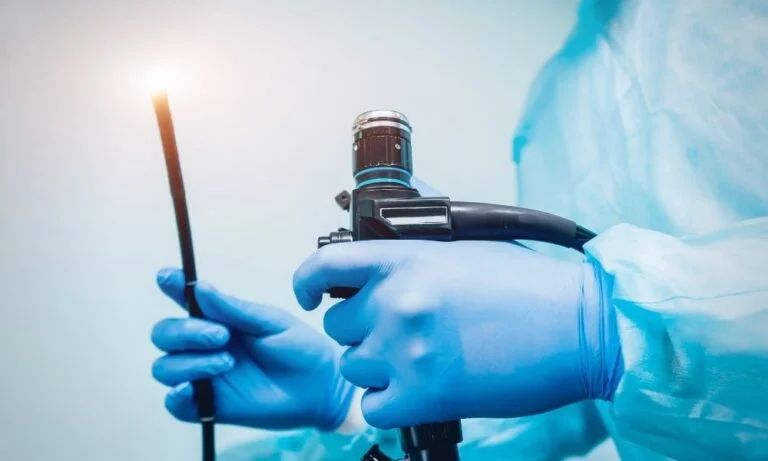
Gastroscopy is a modern endoscopic procedure that enables detailed examination of the esophagus, stomach, and duodenum using a flexible video endoscope. Also known as esophagogastroduodenoscopy (EGD), it is one of the most accurate and informative methods for diagnosing diseases of the upper gastrointestinal tract.

During the examination, the physician can detect gastritis, peptic ulcers, polyps, bleeding, tumors, erosions, inflammatory changes, and other gastrointestinal conditions. When necessary, a biopsy can be performed, and certain therapeutic procedures may be carried out during the same examination.

At Helyos Medical Center in Dnipro, gastroscopy is performed using state-of-the-art high-definition endoscopic equipment, ensuring excellent diagnostic accuracy and maximum patient comfort.

Gastroscopy 1

Indications for Gastroscopy

Gastroscopy is recommended for patients experiencing symptoms that may indicate disorders of the upper digestive tract.

Common indications include:

  • Upper abdominal pain
  • Heartburn
  • Nausea or vomiting
  • Difficulty swallowing (dysphagia)
  • Frequent belching
  • Suspected gastritis
  • Peptic ulcer disease
  • Gastrointestinal bleeding
  • Unexplained anemia
  • Unintentional weight loss
  • Monitoring the effectiveness of treatment for stomach disorders

Gastroscopy is also an important tool for the early detection of precancerous changes in the stomach lining.

How to Prepare for Gastroscopy

Proper preparation is essential for obtaining accurate diagnostic results.

Before the procedure, patients are advised to:

  • Avoid eating for 6–8 hours before the examination
  • Avoid drinking fluids for 2–4 hours beforehand
  • Inform the physician about all medications currently being taken
  • Report any allergies or chronic medical conditions
  • Bring previous examination results, if available

Depending on the patient's condition, the physician may provide additional individualized instructions.
How the Procedure Is Performed

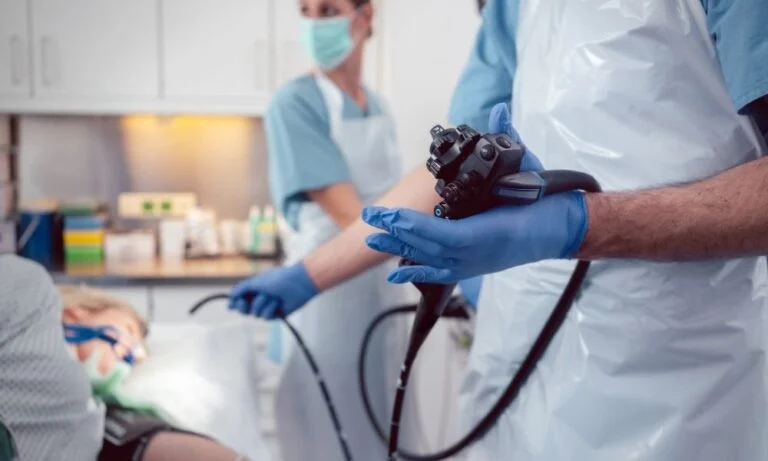
Before the examination begins, the throat is sprayed with a local anesthetic to minimize discomfort. If requested by the patient or medically indicated, gastroscopy may also be performed under intravenous sedation (medication-assisted sleep).

During the procedure, the physician gently inserts a thin, flexible endoscope through the mouth into the esophagus, stomach, and duodenum.

Gastroscopy allows the physician to:

  • Examine the gastrointestinal mucosa
  • Diagnose gastritis, ulcers, and other disorders
  • Perform tissue biopsy
  • Control minor gastrointestinal bleeding
  • Remove small polyps when indicated

The examination typically takes 5–15 minutes.

Contraindications

Although gastroscopy is considered a safe procedure, it may be postponed or avoided in certain medical situations.

Contraindications may include:

  • Acute myocardial infarction
  • Severe cardiac arrhythmias
  • Significant respiratory failure
  • Severe psychiatric disorders
  • Acute cerebrovascular events (stroke)
  • Critically ill patients whose condition makes the procedure unsafe

Before scheduling gastroscopy, the physician carefully evaluates the patient's overall health and any potential risks.

Gastroscopy 3
Created with Pixso.
Created with Pixso.

Gastroscopy at Helyos Medical Center

At Helyos Medical Center, gastroscopy is performed by experienced endoscopists using modern high-resolution endoscopic systems that provide exceptional image quality and reliable diagnosis.

Our advantages include:

  • Experienced endoscopy specialists
  • Advanced high-definition equipment
  • Option of intravenous sedation for greater comfort
  • Biopsy and minor therapeutic procedures during the same examination
  • Individualized patient care
  • Fast and accurate diagnostic results

The cost of gastroscopy depends on the extent of the examination, whether a biopsy or additional therapeutic procedures are required, and is determined following consultation with the physician.

Gastroscopy 4

Prices

Video esophagogastroduodenoscopy without anesthesia
1400 UAH
Anesthesia for video esophagogastroduodenoscopy
1900 UAH
Make an appointment
Enter your full name
Enter your phone number
Choose a specialist
Choose a specialist
Choose a branch
Choose a branch
img

Gastroscopy in Dnipro

How often can gastroscopy be performed?

The frequency of gastroscopy depends on the patient's medical condition. Individuals with chronic gastrointestinal diseases or those requiring follow-up evaluation may need repeat examinations as recommended by their physician.

Is gastroscopy painful?

Most patients experience only temporary discomfort. Local anesthesia significantly reduces unpleasant sensations, and intravenous sedation is available for patients who prefer a more comfortable experience.

Can gastroscopy be performed under anesthesia?

Yes. At Helyos Medical Center, gastroscopy can be performed under intravenous sedation, allowing patients to undergo the examination comfortably and with minimal awareness of the procedure.

How long does the procedure take?

The examination itself usually lasts 5–15 minutes. Procedures involving biopsy or therapeutic interventions may require slightly more time.

Are there alternatives to gastroscopy?

Ultrasound, computed tomography (CT), and X-ray examinations can provide additional information; however, none of these methods can evaluate the gastrointestinal mucosa as thoroughly, obtain tissue biopsies, or perform therapeutic interventions during the same procedure.