
What is acute paraproctitis?
Acute paraproctitis is an acute purulent inflammation of the perirectal tissue — the fatty tissue surrounding the rectum. In most cases it is caused by an infection entering through damaged crypts (sinuses) of the anal canal. An abscess forms — a localized pocket of pus that, without medical care, quickly enlarges and can spread to neighboring tissues.
Medical fact: according to research, the need for treatment of purulent paraproctitis accounts for up to 20% of all visits to a proctologist. The condition is more common in men.
Acute paraproctitis always requires surgical treatment. Conservative therapy at this stage can only temporarily relieve symptoms but cannot eliminate the cause of the inflammation. Untreated paraproctitis often progresses to a chronic form with the formation of a rectal fistula.
Causes and risk factors for acute paraproctitis
In the vast majority of cases, paraproctitis is caused by mixed microflora — staphylococci and streptococci combined with E. coli. The inflammation begins in the anal crypts and spreads into the perirectal tissue.
A number of factors increase the risk of developing the condition:
- chronic bowel diseases, including Crohn's disease and ulcerative colitis;
- diabetes mellitus and other conditions that reduce immunity;
- hemorrhoidal disease and anal fissures;
- chronic constipation and injury to the mucous membrane;
- previous surgery on the rectum.
The presence of any of these factors is a reason to have regular follow-up with a proctologist and to seek medical care immediately at the first symptoms.
Symptoms and diagnosis of acute paraproctitis
Acute purulent paraproctitis develops rapidly. The first signs are increasing pain in the rectal and perineal area, which worsens with sitting and bowel movements. At the same time, body temperature rises, and general weakness and signs of intoxication appear. Swelling and redness of the skin are often visible in the area of inflammation.
The discomfort and pain of paraproctitis are significantly more intense than with hemorrhoids or an anal fissure. This is an important sign indicating the need to see a proctologist urgently.
Important! If severe pain in the rectal area occurs together with fever, you should see a doctor on the same day the symptoms appear. Delay increases the risk of the infection spreading and complicates treatment.
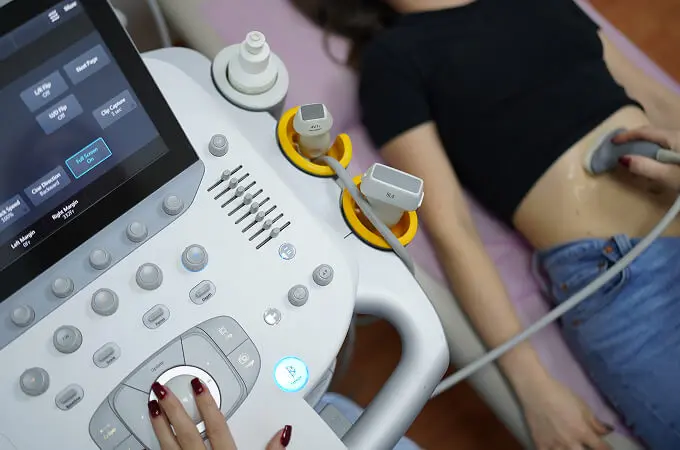
Diagnosis of acute paraproctitis at Helyos Medical Center begins with an examination by a proctologist. In most cases the diagnosis is established clinically based on the characteristic symptoms and examination findings. If necessary, additional tests are ordered: an ultrasound of the perirectal area to determine the location and size of the abscess, and laboratory blood tests. The cost of diagnostics can be clarified when booking an appointment.
Treatment of acute paraproctitis
Surgery is the only effective treatment for acute paraproctitis. Once the diagnosis is established, the operation should not be postponed, since the abscess continues to grow and the risk of complications increases.
The goal of the operation is not just to remove the abscess but also to eliminate its source. Only this approach makes it possible to avoid recurrence and prevent the formation of a chronic rectal fistula. In most patients, the pain is significantly reduced already within the first day after surgery. The severe pain goes away together with the focus of inflammation.
The surgeons at Helyos Medical Center perform paraproctitis surgery according to modern protocols, using methods that allow the abscess to be eliminated while also preventing the formation of a rectal fistula. The cost of surgical treatment for paraproctitis in Dnipro can be clarified at a consultation.
Postoperative period and rehabilitation
After surgery, the patient remains under the observation of doctors at Helyos Medical Center. Postoperative care includes regular dressing changes with antiseptic solutions, as well as antibiotic therapy and pain relief.
During the recovery period it is recommended to:
- follow a high-fiber diet to normalize bowel movements;
- drink enough water;
- limit physical exertion;
- attend regular follow-up examinations with a proctologist.
Complete tissue healing after surgery takes on average 2–4 weeks. Timely and thorough postoperative follow-up is a key condition for preventing recurrence and the development of chronic paraproctitis.
Possible complications and prevention of acute paraproctitis
The main complication of untreated or improperly treated acute paraproctitis is progression to a chronic form with the formation of a fistula. Chronic paraproctitis requires a separate surgical procedure to excise the fistula tract.
Prevention of acute paraproctitis includes timely treatment of rectal conditions (hemorrhoids, anal fissures), normalizing bowel movements, and regular preventive checkups with a proctologist. Patients with chronic bowel diseases and reduced immunity should pay particular attention to the condition of the anorectal area.
If you are experiencing pain in the rectal area or other symptoms characteristic of paraproctitis, see a proctologist at Helyos Medical Center as soon as possible. Early treatment helps avoid complications and return to your usual life as quickly as possible. You can book an appointment by calling 067 000 01 50 or using the online form on the website.
Prices


How is the consultation going?
Acute paraproctitis begins with increasing pain in the rectal and perineal area, which worsens with sitting and bowel movements. At the same time, body temperature rises and general weakness appears. Unlike hemorrhoids or an anal fissure, the pain of paraproctitis is intense and increases rapidly. If these symptoms appear, see a proctologist at Helyos Medical Center the same day.
The primary treatment for acute purulent paraproctitis is surgical opening of the abscess combined with elimination of the source of infection — the affected crypt. Antibiotic therapy is used as an addition to surgical treatment but does not replace it. At Helyos Medical Center, operations are performed according to modern protocols with an emphasis on radically eliminating the cause of inflammation.
Complete wound healing takes on average 2–4 weeks. During this period the patient regularly attends dressing changes and checkups with the proctologist. Following the diet and the doctor's recommendations during the postoperative period directly affects the speed of recovery and reduces the risk of recurrence.