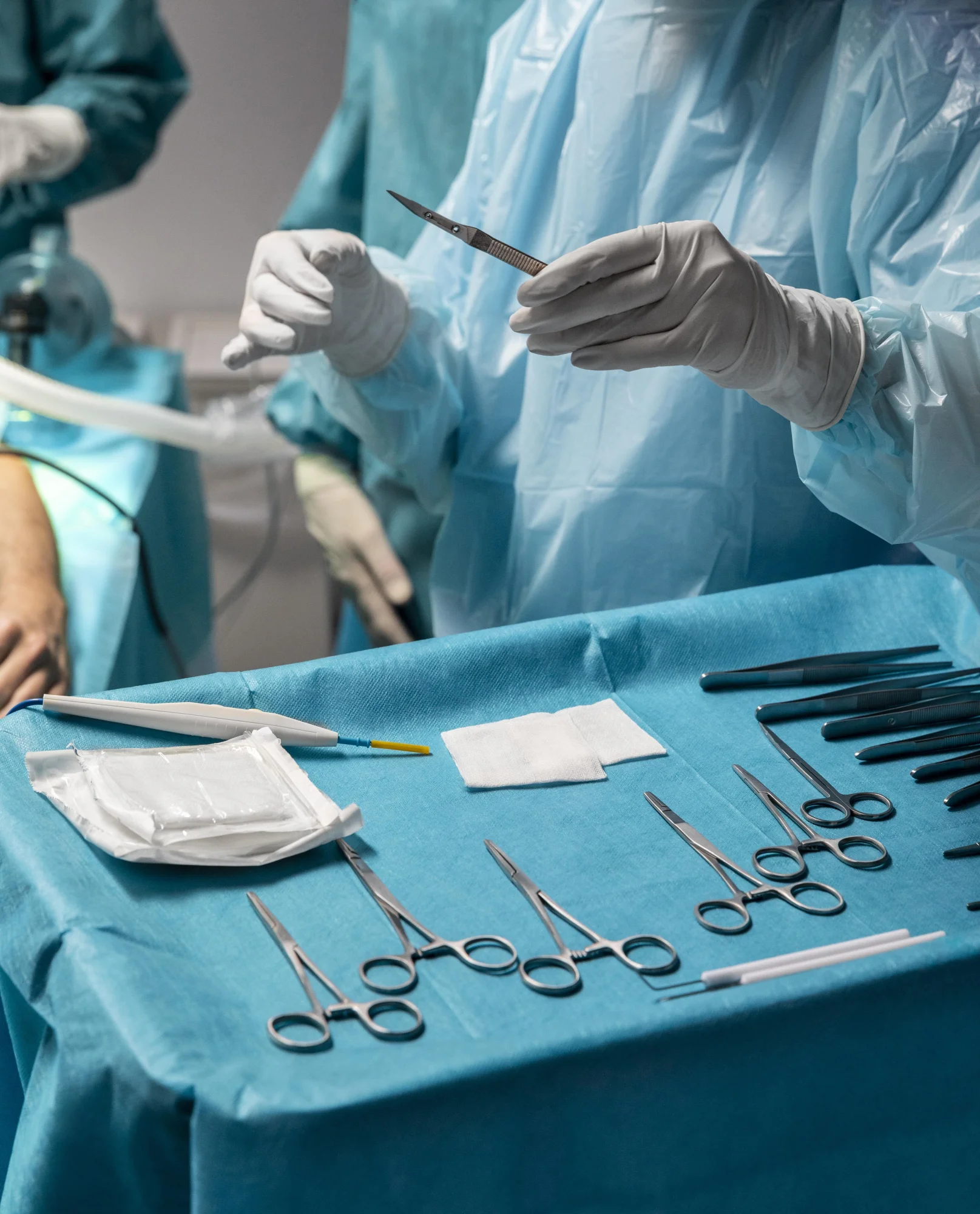
Soft Tissue Defect Reconstruction: Advanced Techniques in Reconstructive Plastic Surgery


What Is Soft Tissue Defect Reconstruction?

Soft tissue defect reconstruction is a surgical procedure aimed at restoring the integrity of the skin and underlying tissues following trauma, burns, tumor removal, surgical interventions, or other types of tissue loss. The primary goals are to promote optimal wound healing, restore function, and achieve the best possible aesthetic outcome.

Modern reconstructive plastic surgery offers a variety of techniques, including autologous skin grafting, local flap reconstruction, and free skin grafting. The choice of procedure depends on the size and location of the defect, the condition of the surrounding tissues, and the patient's overall health.

At Helyos Medical Center in Dnipro, reconstructive procedures are performed only after a comprehensive evaluation and the development of an individualized treatment plan.

Closure of soft tissue defects 1

How does the consultation work?

  1. Examination by the doctor — determining the size and depth of the tissue defect.
  2. Discussion of possible restoration methods — choosing the methods to close the defect (skin grafting, tissue expansion, use of artificial materials).
  3. Surgical planning — preparation for the procedure, considering the overall health of the patient.
  4. Ordering tests — necessary examinations to assess the condition of the body before surgery.

Indications for Soft Tissue Reconstruction

Reconstructive surgery may be recommended for patients with:

  • Extensive postoperative wounds
  • Defects following the removal of benign or malignant tumors
  • Burn injuries requiring skin grafting
  • Traumatic skin and soft tissue injuries
  • Chronic trophic ulcers
  • Tissue loss caused by severe infections
  • Non-healing or chronic wounds
  • Congenital or acquired skin defects

Following a consultation, the plastic surgeon selects the most appropriate reconstructive technique based on the patient's specific clinical needs.

Closure of soft tissue defects 3
Created with Pixso.
Created with Pixso.

Reconstructive Techniques

Autologous Skin Grafting

Autologous skin grafting is one of the most commonly performed reconstructive procedures. Healthy skin is harvested from another area of the patient's body and transplanted to the affected site.

This technique is widely used for:

  • Extensive burns
  • Major traumatic injuries
  • Reconstruction following tumor excision
  • Large soft tissue defects

Because the patient's own tissue is used, the risk of graft rejection is minimal, and long-term healing outcomes are generally excellent.

Local Flap Reconstruction

Local flap reconstruction involves repositioning healthy adjacent tissue to cover the defect.

Advantages include:

  • Excellent color and texture match
  • Preservation of normal skin elasticity
  • Improved cosmetic outcome
  • Reliable blood supply

This method is particularly effective for small and medium-sized defects involving the face, neck, and extremities.

Free Skin Grafting

When local tissue is insufficient, free skin grafting may be recommended.

During this procedure, a section of skin is completely removed from a donor site and transplanted onto the prepared wound.

Free skin grafts are commonly used for:

  • Extensive soft tissue defects
  • Severe burns
  • Complex traumatic injuries
  • Large reconstructive procedures

Modern microsurgical techniques significantly improve graft survival and functional recovery.

Surgical Procedure

Soft tissue reconstruction generally includes the following stages:

  1. Consultation with a plastic surgeon
  2. Comprehensive diagnostic evaluation
  3. Selection of the optimal reconstructive technique
  4. Surgery performed under local or general anesthesia
  5. Monitoring of graft or flap viability
  6. Postoperative wound care and follow-up

The duration of surgery depends on the size and complexity of the defect.

Recovery and Wound Healing

Successful healing depends not only on the surgical procedure but also on appropriate postoperative care.

During recovery, patients are advised to:

  • Attend all scheduled dressing changes
  • Protect the surgical site from trauma
  • Follow activity restrictions recommended by the surgeon
  • Attend regular follow-up appointments
  • Protect healing skin from excessive sun exposure

Careful adherence to postoperative instructions significantly reduces the risk of complications and promotes optimal healing.

Prevention

Although not all soft tissue defects can be prevented, several measures may reduce the likelihood of extensive tissue damage:

  • Seek prompt medical attention for burns and traumatic injuries.
  • Avoid self-treatment of deep or infected wounds.
  • Follow all postoperative care instructions after surgery.
  • Manage chronic medical conditions such as diabetes and vascular disease, which can delay wound healing.

Early intervention often results in better functional and cosmetic outcomes.

Closure of soft tissue defects 4

Soft Tissue Reconstruction at Helyos Medical Center

The cost of treatment depends on several factors, including:

  • Size and location of the defect
  • Selected reconstructive technique
  • Surgical complexity
  • Need for skin grafting
  • Scope of postoperative care

At Helyos Medical Center, patients receive comprehensive care throughout every stage of treatment—from the initial consultation to complete rehabilitation. A personalized treatment plan and cost estimate are provided after a thorough surgical evaluation.

Prices

Online consultation with a plastic surgeon
1100 UAH
Consultation with a plastic surgeon
1100 UAH
Make an appointment
Enter your full name
Enter your phone number
Choose a specialist
Choose a specialist
Choose a branch
Choose a branch
img

Skin Grafting in Dnipro

How long does it take for a skin graft to heal?

Initial healing typically occurs within 2–4 weeks, although complete tissue remodeling and recovery may take several months depending on the size of the defect and the patient's overall health.

Are there any contraindications to autologous skin grafting?

The procedure may be postponed in patients with acute infections, severe coagulation disorders, uncontrolled diabetes, active inflammation at the surgical site, or poor overall health until these conditions have been appropriately managed.

How should I care for the surgical site after reconstruction?

Patients should follow all postoperative instructions provided by their surgeon, attend scheduled dressing changes, keep the wound clean, avoid unnecessary pressure or trauma to the treated area, and attend regular follow-up visits to ensure proper healing.