What is reduction mammoplasty
Reduction mammoplasty is a surgical method of reducing the size of the mammary glands. The operation makes it possible to remove part of the excess tissue and skin, change the shape of the breasts, and, if necessary, adjust the position of the nipple-areola complex.
Reducing the volume of the breasts often simultaneously includes elements of a lift, since after removing part of the tissue it is necessary to form new contours of the mammary gland.
The extent of correction depends on the initial breast size, the condition of the skin, the degree of tissue sagging, the location of the nipples and areolas, asymmetry, and the patient’s individual features.
If necessary, the surgeon may additionally perform correction of the nipple and areola. If the patient is troubled by the consequences of a previous surgical procedure, correction of scars after mammoplasty is considered separately. If gel materials were previously injected, gel removal from the breast may be required.
Indications for breast reduction surgery
Breast reduction in women may be considered with a significant volume of the mammary glands that causes aesthetic or physical discomfort.
Possible indications include:
- a large volume and mass of the mammary glands
- pronounced breast sagging
- asymmetry
- a change in the proportions of the mammary glands after pregnancy or fluctuations in body weight
- discomfort associated with breast size
- a wish to reduce breast size when there are indications for surgical intervention.
The decision on reduction mammoplasty is made after examination. The surgeon assesses the condition of the mammary glands and determines what amount of tissue may require correction.
It is important to discuss the expected breast size with the doctor in advance. It is impossible to predict the exact underwear size after the operation with absolute accuracy, since the result depends on the initial anatomy and the features of the tissues.
Preparation for the operation
Preparation begins with a consultation with a plastic surgeon. The doctor performs an examination and assesses the breast volume, the degree of sagging, the quality of the skin, and the position of the nipple-areola complex.
At the planning stage, the desired result and the expected extent of reduction are discussed.
Before the surgical procedure, the necessary tests and examinations are prescribed. Their list is determined by the doctor individually.
The patient should inform the specialist about chronic diseases, allergies, previous operations, and regularly taken medications. You should not cancel prescribed medications on your own before the operation.
Stages of the operation
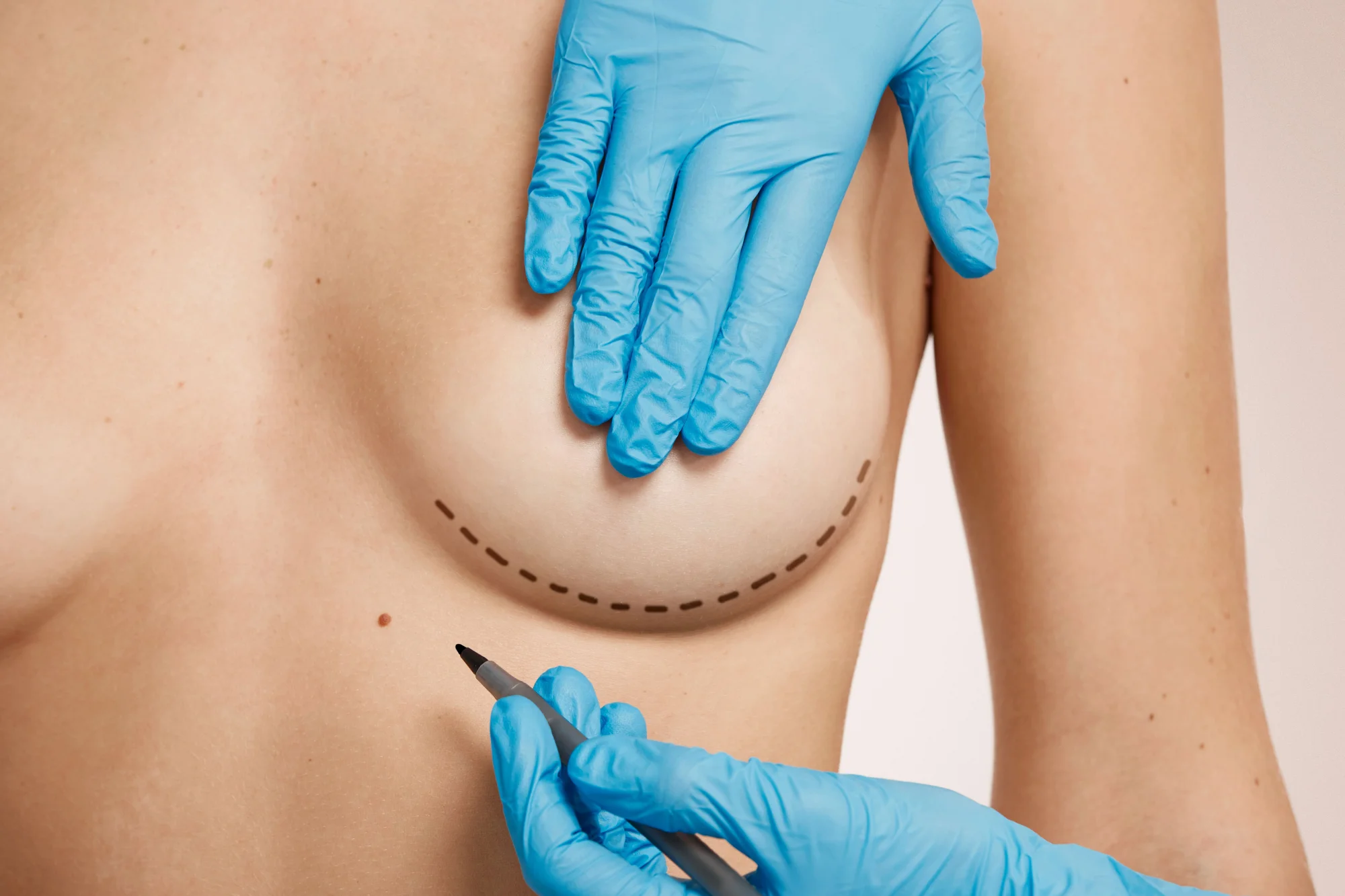
Reduction mammoplasty is performed using anesthesia. Before the operation begins, the surgeon applies markings that determine the location of the future incisions and the planned position of the tissues.
During the procedure, the necessary amount of mammary gland tissue and excess skin are removed. Then the surgeon forms the new contours of the breasts.
When indicated, the nipple-areola complex is moved to a position corresponding to the new proportions of the mammary gland.
The shape and location of the surgical incisions depend on the extent of correction and the chosen technique. After the main stages are completed, sutures and postoperative dressings are applied.
The duration of the operation is determined individually depending on the complexity of the procedure.
Rehabilitation period and recommendations
After the operation, swelling, bruising, moderate soreness, a feeling of tissue tension, and a temporary change in breast sensitivity are possible.
During recovery, special compression garments may be required. The patient must follow the surgeon’s recommendations for care of the postoperative area and attend follow-up examinations.
In the first weeks, intense physical activity is limited. You should avoid lifting significant weight and excessive strain on the upper body muscles.
You must return to training gradually after the specialist’s permission.
After reduction mammoplasty, surgical scars remain. Their location depends on the chosen technique and the extent of the procedure. Over time, with a normal healing process, the scars usually change and may become less noticeable.
Results and expected effects
After breast reduction, the volume of the mammary glands decreases and their proportions change. At the same time, surgical correction makes it possible to form a more toned contour.
The result cannot be assessed immediately after the operation because of postoperative swelling. The final shape becomes more noticeable gradually as the tissues recover.
The effect may last a long time, but the shape of the breasts can subsequently be affected by pregnancy, breastfeeding, age-related changes, and significant fluctuations in body weight.
The cost of breast reduction surgery at the Helyos medical center depends on the extent of correction, the complexity of the procedure, the type of anesthesia, and other components of treatment. The exact price is determined after a consultation and the drawing up of an individual surgical plan.

Prices
Doctors
All Doctors


How is the consultation going?
The main recovery period usually takes several weeks, but final healing and the formation of the result require more time. The individual timeframes are determined by the surgeon.
The possibility of breastfeeding depends on the chosen surgical technique and the extent of the procedure. If the patient is planning a pregnancy, this question should be discussed with the surgeon before the operation.
The result may last a long time. At the same time, pregnancy, breastfeeding, age, and significant changes in body weight can affect the shape of the mammary glands.
It is determined by the medical team individually, taking into account the extent of the operation and the patient’s condition.
A forehead lift is a plastic surgery aimed at correcting age-related changes in the upper third of the face. The surgical procedure makes it possible to change the position of the tissues of the forehead and eyebrows, correct their sagging, and make the age-related changes of this area less pronounced.