
Causes and risk factors for breast cancer
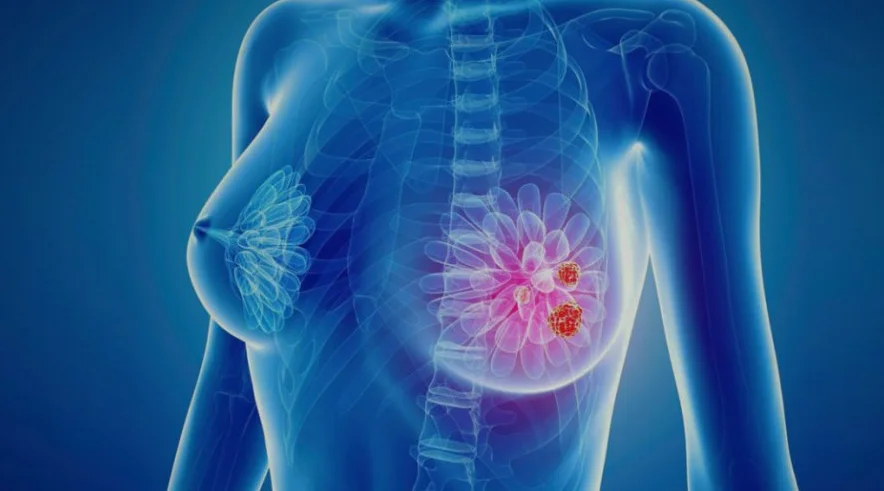
Breast cancer occurs when breast cells begin to divide uncontrollably and form a malignant tumor. According to the WHO, roughly half of cases develop in patients with no specific risk factors beyond sex and age. This means regular screening matters for every woman, not only those with a hereditary predisposition.
Factors that increase the likelihood of developing the disease include:
- age: the risk rises significantly after age 40;
- heredity and mutations in the BRCA1 and BRCA2 genes — around 5–10% of breast cancer cases are linked to inherited genetic changes;
- early onset of menstruation or late menopause;
- no pregnancies, or a first birth after age 35;
- long-term postmenopausal hormone replacement therapy;
- excess weight and obesity after menopause;
- excessive alcohol consumption;
- low physical activity;
- dense breast tissue on mammography.
Having one or more risk factors is a reason to discuss an optimal monitoring plan with a physician. Understanding individual risk helps build the right strategy for prevention and early diagnosis.
Medical fact: according to the American Cancer Society, about 1 in 8 women will be diagnosed with breast cancer during her lifetime. At the same time, mortality from this disease has fallen by 44% over recent decades, mainly thanks to earlier diagnosis and improved treatment methods.
Breast cancer: symptoms and signs
In the early stages, breast cancer is often asymptomatic and is detected only through mammography or ultrasound. Nevertheless, there are signs worth paying attention to:
- a lump or mass in the breast, armpit, or upper chest area;
- a change in the shape, size, or contour of the breast;
- dimpling, redness, or an "orange peel" texture on the skin of the breast;
- nipple discharge, especially if bloody;
- nipple retraction or a change in its position;
- breast pain unrelated to the menstrual cycle.
If any of these signs appear, you should see a breast specialist or oncologist. Most breast lumps turn out to be benign, but only a physician can confirm this after an examination.
Tip: a breast self-exam is best done on days 7–10 of the menstrual cycle, when the tissue is least swollen. After menopause, perform it on the same day each month.
Methods for diagnosing breast cancer
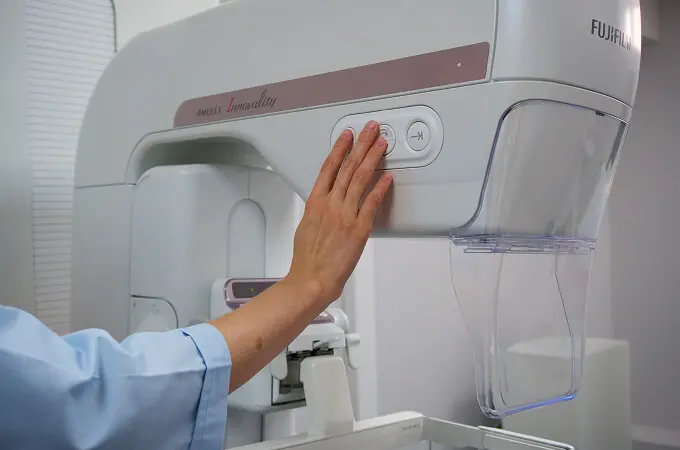
Accurate breast cancer diagnostics are the foundation of proper treatment. Helyos Medical Center offers all the necessary examination methods, including tomosynthesis mammography on modern AI-assisted equipment, which significantly improves the accuracy of detecting changes at early stages.
The standard diagnostic protocol for breast cancer includes:
- tomosynthesis mammography — the primary breast cancer screening method;
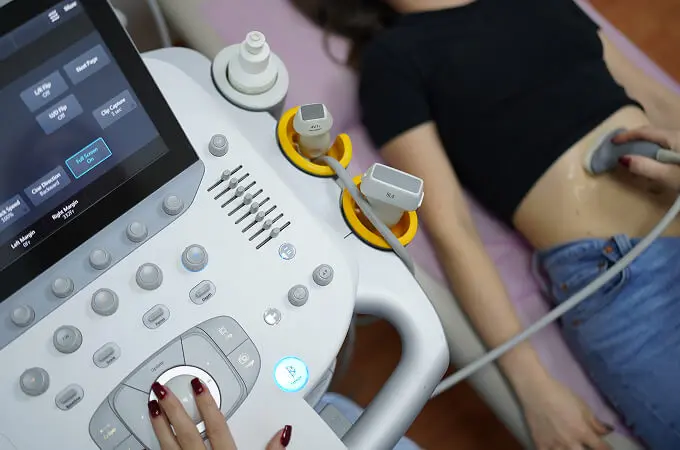
- ultrasound — particularly informative in women with dense breast tissue;
- biopsy with histological examination to morphologically confirm the diagnosis;
- determination of the tumor's receptor status (ER, PR, HER2) — a key parameter for choosing a treatment strategy;
- computed tomography to assess the extent of the process when necessary.
Please note! Determining the tumor's receptor status is a mandatory part of diagnostics. It is what allows the selection of targeted or hormonal therapy that acts directly on the growth mechanism of a specific tumor.
The cost of breast cancer diagnostics at Helyos Medical Center can be confirmed when booking an appointment. The price depends on the scope of the workup.
Breast cancer: treatment with modern methods
Breast cancer treatment at Helyos Medical Center is planned individually, taking into account the stage of the disease, the tumor's receptor status, the patient's age, and her overall health. Modern oncology offers a broad arsenal of methods that are often used in combination.
Surgery remains the primary method of treatment for operable breast cancer. Depending on the size and location of the tumor, either a partial resection (lumpectomy) or a mastectomy (removal of the entire breast) is performed. Helyos Medical Center surgeons favor breast-conserving surgery whenever the clinical situation allows.
After surgery, chemotherapy, hormonal therapy, or targeted therapy is prescribed as needed. Hormone therapy is indicated for hormone-dependent tumors and significantly reduces the risk of recurrence. Targeted therapy, in particular anti-HER2 medications, has substantially improved the prognosis for HER2-positive breast cancer in recent years. All treatment regimens at Helyos Medical Center are selected according to modern European protocols.
Rehabilitation after breast cancer treatment includes physical recovery, oncologist follow-up, and psychological support when needed. Helyos Medical Center supports the patient at every stage of treatment and recovery.
Prevention and recommendations for reducing breast cancer risk
It is impossible to completely eliminate the risk of breast cancer, but it can be reduced through certain lifestyle factors. Maintaining a healthy weight, regular physical activity, and limiting alcohol consumption are significant factors, especially after menopause. According to 2024 research, a diet high in fiber is associated with a lower likelihood of developing breast cancer.
Regular screening remains the primary tool for prevention. Mammography can detect a tumor before symptoms appear, when treatment is most effective. Women with hereditary BRCA mutations may be advised to start screening earlier and undergo additional monitoring.
If you are concerned about changes in your breasts or would like a preventive checkup, book an appointment at Helyos Medical Center. The center's physicians will perform the necessary diagnostics and answer all your questions. You can book a consultation by phone at 067 000 01 50.

Prices


How is the consultation going?
In the early stages, breast cancer is most often discovered incidentally during a self-exam or mammography. Early signs include a lump in the breast or armpit, a change in the shape or contour of the breast, and changes to the skin or nipple.
The risk of breast cancer can be reduced by maintaining a healthy weight, staying physically active, limiting alcohol intake, and undergoing regular preventive screenings. For women with BRCA mutations, a physician may recommend additional monitoring or preventive treatment.
Women over 40 are advised to have an annual mammogram. Under 40, regular checkups with a breast specialist and monthly self-exams are recommended. For patients with risk factors or a family history, the Helyos Medical Center breast specialist will determine an individual screening schedule.
Yes. Mutations in the BRCA1 and BRCA2 genes significantly increase the risk of breast and ovarian cancer. Around 5–10% of breast cancer cases are linked to inherited genetic changes. If close relatives have had breast tumors, genetic counseling is recommended to assess individual risk.
The choice of treatment depends on the tumor type, disease stage, and receptor status. Surgery remains the primary step for operable forms of the disease and is often combined with drug therapy. Depending on the tumor's biological characteristics, targeted therapy is used for HER2-positive forms and hormonal therapy for hormone-dependent tumors, which significantly increases overall treatment effectiveness. At Helyos Medical Center, the treatment strategy is selected individually for each patient.