Causes of Female and Male Infertility and When to See a Reproductive Specialist
Reviewed by Poleshko Kateryna Volodymyrivna, Endocrinologist, highest category updated: 14 May 2025
Infertility is a common condition that can affect both women and men. According to medical statistics, approximately 15–20% of couples of reproductive age experience difficulties conceiving, and the causes may be related to disorders affecting either or both partners. A timely consultation with a reproductive specialist helps identify the factors preventing pregnancy and determine the most effective treatment. The earlier the diagnosis is made, the greater the chances of achieving a successful pregnancy and giving birth to a healthy child.
Main Causes of Infertility in Women and Men
Infertility is not a disease itself but rather the result of various disorders affecting the reproductive system. In women, the most common causes include hormonal imbalances, lack of ovulation, endometriosis, blocked fallopian tubes, uterine fibroids, polycystic ovary syndrome (PCOS), congenital abnormalities, or previous inflammatory diseases. Age, chronic stress, excess body weight, and unhealthy lifestyle habits also play a significant role.
In some cases, surgical treatment may be recommended to correct the underlying condition. Learn more about modern gynecological surgery follow the link
In men, fertility problems are most commonly associated with a low sperm count, reduced sperm motility, hormonal disorders, varicocele, infectious diseases, injuries, genetic factors, or the negative effects of environmental influences. Disorders of the urinary and reproductive systems that require timely treatment may also contribute to infertility.
Learn more about modern urological surgery follow the link
Symptoms That May Indicate Reproductive Health Problems
The primary sign of infertility is the inability to achieve pregnancy after one year of regular unprotected sexual intercourse. Women over the age of 35 are advised to consult a fertility specialist after six months of unsuccessful attempts to conceive.
Additional symptoms that may indicate reproductive disorders include:
- irregular or absent menstrual periods
- ovulation disorders
- severe menstrual pain
- abnormal vaginal discharge
- chronic pelvic pain
- recurrent miscarriages
- decreased libido
- pain or discomfort in the male genital area
- abnormal semen analysis (spermogram) results.
In some cases, reproductive disorders may be associated with gynecologic tumors. Learn more about gynecologic oncology follow the link
When Should You See a Reproductive Specialist?
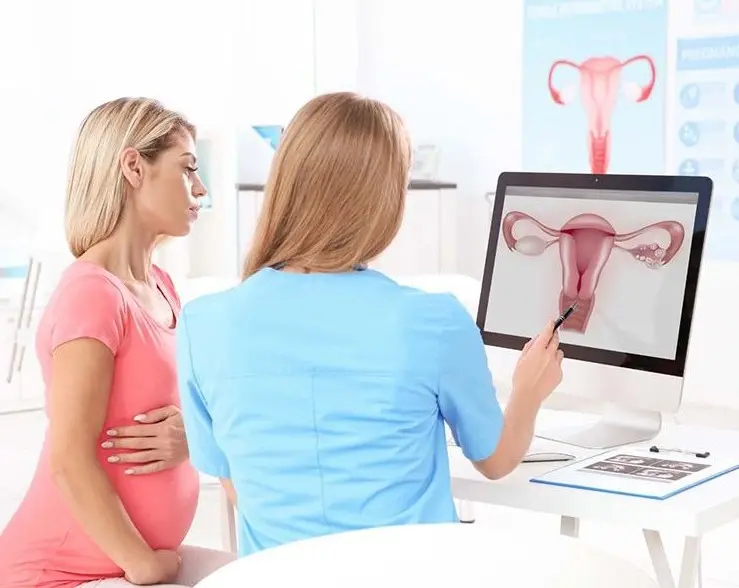
A reproductive specialist (reproductive endocrinologist/fertility specialist) is a physician specializing in the diagnosis, treatment, and prevention of reproductive disorders. Consultation is recommended not only for confirmed infertility but also when significant risk factors are present.
You should schedule an appointment with a reproductive specialist if:
- pregnancy has not occurred after 12 months of regular unprotected intercourse
- the woman is over 35 years old and pregnancy has not occurred after six months of trying
- menstrual cycle or ovulation disorders are present
- there have been recurrent miscarriages
- there is a history of pelvic surgery
- the male partner has abnormal semen analysis results or other urological conditions
- pregnancy is planned after treatment for cancer or other chronic diseases.
A comprehensive fertility evaluation is recommended for both partners, as infertility may result from factors affecting either the woman or the man.
Methods of Infertility Diagnosis and Treatment
The diagnostic process begins with a review of the patient's medical history, a consultation with a physician, and an assessment of overall health. Women may undergo hormone testing, pelvic ultrasound, ovulation assessment, evaluation of fallopian tube patency, and other diagnostic procedures.
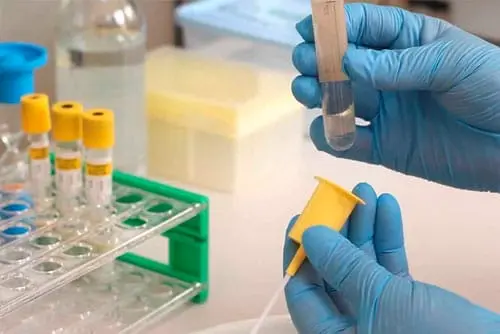
Men are commonly advised to undergo semen analysis, hormone testing, ultrasound examination, and consultation with a urologist.
The treatment strategy depends on the underlying cause of infertility. It may include medication therapy, hormonal correction, treatment of infectious diseases, surgical intervention, assisted reproductive technologies (ART), or comprehensive lifestyle modifications aimed at improving fertility.
Preventing Reproductive Disorders
Although infertility cannot always be prevented, adopting a proactive approach to personal health can significantly reduce the risk. Regular preventive medical examinations, timely treatment of diseases, hormonal balance monitoring, maintaining a healthy body weight, a balanced diet, regular physical activity, and avoiding harmful habits all contribute to better reproductive health.
It is equally important to avoid self-medication and seek medical attention whenever concerning symptoms appear. Early diagnosis, appropriate treatment, and adherence to medical recommendations greatly increase the chances of achieving a successful pregnancy and giving birth to a healthy child.

Was this article helpful?
Thank you for rating.
Prices
Schedule an appointment with a doctor

Still have questions?
Leave your details and a doctor will call you back.