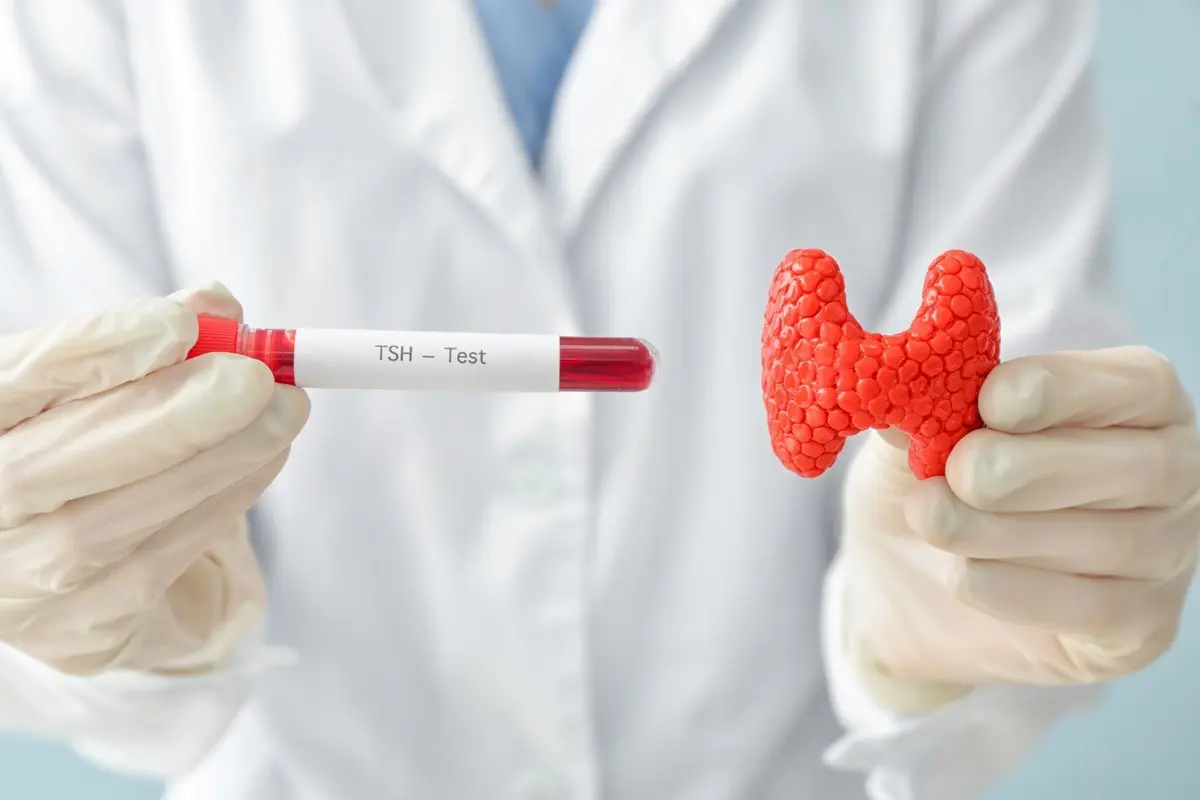
Thyroid-Stimulating Hormone (TSH
Reviewed by Poleshko Kateryna Volodymyrivna, Endocrinologist, highest category updated: 12 November 2025
The thyroid gland plays a vital role in the functioning of the entire body by regulating metabolism, energy balance, and the activity of the cardiovascular and nervous systems. One of the key indicators of thyroid function is the thyroid-stimulating hormone (TSH). A TSH blood test helps doctors assess how well the thyroid gland is working and detect potential disorders at an early stage.
At the Helyos Medical Center, patients can undergo laboratory testing, have a thyroid ultrasound, and receive a consultation with an endocrinologist for an accurate diagnosis and personalized treatment plan.
What Is Thyroid-Stimulating Hormone (TSH) and What Does It Do?
Thyroid-stimulating hormone (TSH) is produced by the pituitary gland and regulates the function of the thyroid gland. It stimulates the production of thyroxine (T4) and triiodothyronine (T3), hormones that affect nearly every organ and system in the body.
When thyroid hormone levels decrease, the pituitary gland produces more TSH to stimulate the thyroid. Conversely, when T3 and T4 levels are too high, TSH production decreases. This is why a TSH blood test is considered one of the most important methods for evaluating endocrine system function.
Normal TSH Levels in Women, Men, and Children
Reference ranges may vary slightly depending on the laboratory and the testing method used. In most cases, the normal TSH range for adults is approximately 0.4–4.0 mIU/L.
TSH levels can be influenced by:
- age;
- sex;
- pregnancy;
- certain medications;
- underlying medical conditions.
During pregnancy, normal TSH values change, especially in the first trimester. Therefore, test results should always be interpreted by a healthcare professional.
In children, TSH levels also vary with age. Newborns typically have higher TSH levels, which gradually decrease and approach adult reference values as they grow.
When Should You Get a TSH Test?
A doctor may recommend a TSH test if you experience symptoms that may indicate thyroid dysfunction.
These symptoms include:
- persistent fatigue;
- drowsiness;
- sudden weight changes;
- dry skin;
- hair loss;
- irregular heartbeat;
- excessive sweating;
- insomnia;
- irritability;
- difficulty conceiving.
A TSH test is also commonly recommended during pregnancy, when planning pregnancy, to monitor thyroid disease treatment, and as part of routine preventive health check-ups.
Causes of High and Low TSH Levels
An elevated TSH level most commonly indicates an underactive thyroid gland (hypothyroidism). Possible causes include autoimmune diseases, iodine deficiency, the effects of thyroid surgery, or treatment with certain medications.
A low TSH level may occur in hyperthyroidism, a condition in which the thyroid gland produces excessive amounts of thyroid hormones. Changes in TSH levels may also be associated with pituitary disorders, severe stress, or the use of certain medications.
TSH test results should always be interpreted together with T3 and T4 levels, clinical symptoms, and the findings of additional diagnostic tests.
How to Prepare for a TSH Blood Test
To obtain the most accurate results, it is recommended to:
- have your blood drawn on an empty stomach;
- avoid intense physical activity the day before the test;
- avoid alcohol for 24 hours before the test;
- inform your doctor about all medications you are taking;
- whenever possible, have follow-up blood tests performed at the same time of day.
Following these recommendations helps ensure the most reliable laboratory results.
What Do Abnormal TSH Levels Mean and When Should You See an Endocrinologist?
An abnormal TSH level is not a disease itself but rather an indicator of a possible endocrine disorder. To determine the underlying cause, your doctor may recommend additional blood tests, a thyroid ultrasound, and other diagnostic procedures.
You should consult an endocrinologist if you experience symptoms of thyroid dysfunction, receive abnormal thyroid test results, or have a family history of endocrine disorders. Children with suspected thyroid problems should be evaluated by a pediatric endocrinologist.
Conclusion
Thyroid-stimulating hormone (TSH) is one of the most important indicators of thyroid function. A timely TSH blood test can detect thyroid disorders before noticeable symptoms develop, allowing treatment to begin at an early stage. Regular preventive check-ups, consultations with an endocrinologist, and modern diagnostic methods help maintain endocrine health and reduce the risk of developing serious thyroid and hormonal disorders.
Was this article helpful?
Thank you for rating.
Prices
Schedule an appointment with a doctor


Frequently asked questions
Information collection:
complaints, diseases, heredity, lifestyle.
Examination:
palpation of the thyroid gland, measurement of weight, blood pressure.
Purpose of research:
tests (hormones, glucose), ultrasound, MRI.
Recommendations:
treatment, diet, observation schedule.
Still have questions?
Leave your details and a doctor will call you back.