
Kidney Stones (Urolithiasis): Symptoms and Modern Treatment Options
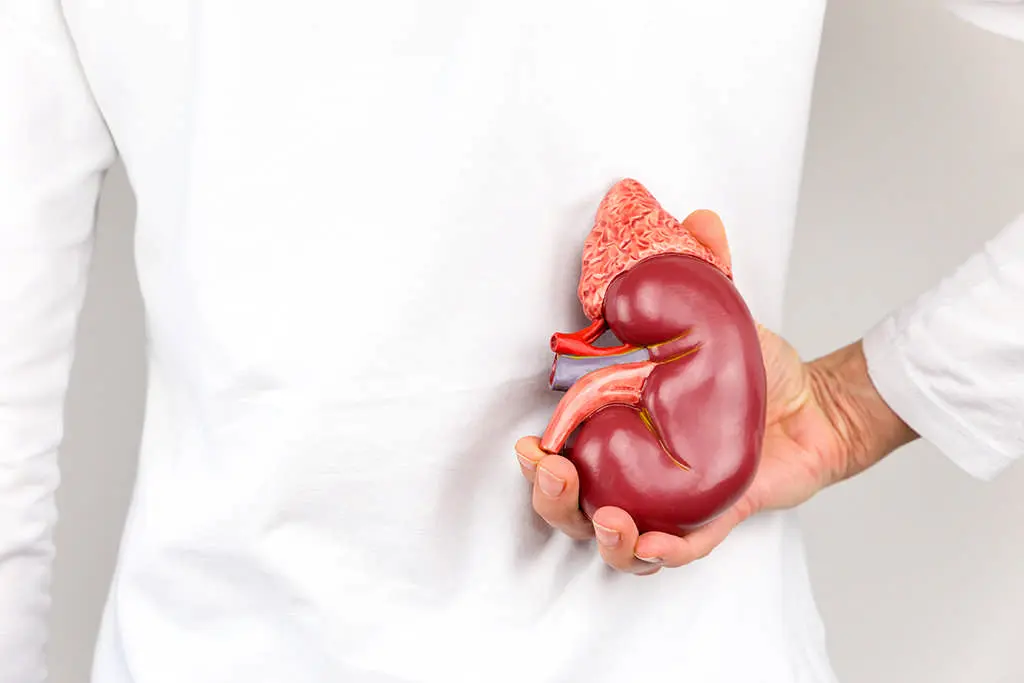
Kidney stone disease (urolithiasis) is a common urological condition in which hard mineral deposits (stones) form in the kidneys or urinary tract. These stones may remain asymptomatic for a long time, but as they grow or move through the urinary system, they can cause severe pain, urinary obstruction, and other potentially serious complications. Early diagnosis and appropriately selected treatment help remove stones and reduce the risk of recurrence.
At Helyos Medical Center, patients can undergo a comprehensive evaluation, consult with an experienced urologist, and receive personalized treatment for kidney stone disease based on their individual medical needs.
What Is Kidney Stone Disease and Why Do Stones Form?
Kidney stones develop when minerals and salts in the urine become highly concentrated. Over time, these substances crystallize and form stones of different sizes and chemical compositions.
The most common risk factors include:
- inadequate fluid intake;
- genetic predisposition;
- disorders of calcium, uric acid, or other metabolic processes;
- chronic urinary tract infections;
- an unbalanced diet;
- a sedentary lifestyle;
- certain endocrine disorders.
Stones may develop in the kidneys, ureters, or urinary bladder. Their size can range from just a few millimeters to several centimeters.
Symptoms of Kidney Stones
Small kidney stones are often discovered incidentally during routine medical examinations. However, when a stone moves or blocks the flow of urine, characteristic symptoms may develop.
The most common symptoms include:
- lower back (flank) pain;
- renal colic;
- pain during urination;
- blood in the urine (hematuria);
- frequent urination;
- nausea and vomiting associated with severe pain;
- fever if a urinary tract infection develops.
Renal colic is considered one of the most severe types of pain in medicine and requires prompt medical attention.
How Are Kidney Stones Diagnosed?
To confirm the diagnosis, a urologist performs a comprehensive evaluation to determine the location, size, and number of stones.
Diagnostic methods may include:
- consultation with a urologist;
- urinalysis;
- laboratory blood tests;
- ultrasound examination;
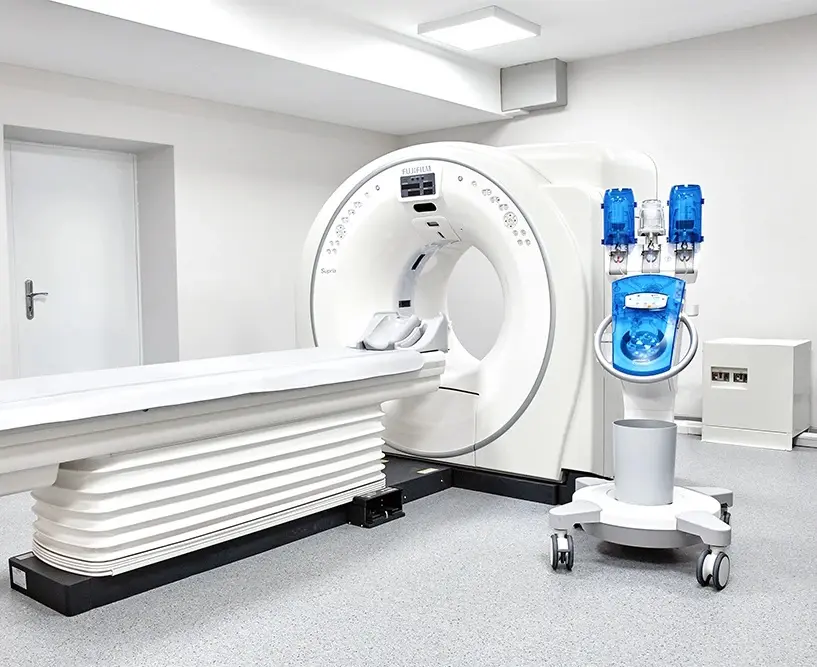
- computed tomography (CT), when indicated;
- X-ray imaging studies.
Ultrasound is one of the most commonly used first-line diagnostic methods because it allows physicians to evaluate the kidneys, ureters, and bladder while detecting most urinary stones.
Modern Treatment of Kidney Stones
Treatment depends on the size, composition, location of the stones, and the presence of complications.
Conservative treatment may include:
- increasing daily fluid intake;
- following a specialized diet;
- medication therapy;
- medications that help small stones pass naturally;
- treatment of associated urinary tract infections.
In some cases, small stones can pass spontaneously in the urine under medical supervision.
When Is Surgery Necessary?
If kidney stones are large, cause severe pain, or impair kidney function, surgical treatment may be required.
The main indications for surgery include:
- large stones;
- recurrent episodes of renal colic;
- complete urinary obstruction;
- associated infection;
- impaired kidney function;
- failure of conservative treatment.
Modern urological surgery offers a variety of minimally invasive stone removal techniques, allowing for shorter hospital stays, faster recovery, and excellent treatment outcomes. The most appropriate treatment method is selected individually after a comprehensive evaluation.
Preventing Kidney Stone Recurrence
After successful treatment, preventing the formation of new stones is an important part of long-term care.
To reduce the risk of recurrence, it is recommended to:
- maintain adequate daily hydration;
- follow dietary recommendations;
- maintain a healthy body weight;
- promptly treat urinary tract infections;
- attend regular preventive medical check-ups;
- undergo periodic follow-up examinations as recommended by your physician.
Patients who have previously had kidney stones should continue regular follow-up with a urologist, even if they no longer have symptoms.
Conclusion
Kidney stone disease is one of the most common disorders of the urinary system. Fortunately, modern diagnostic techniques and advanced treatment options make it possible to remove stones effectively while minimizing the risk of complications.
If you experience lower back pain, blood in the urine, or symptoms of renal colic, avoid self-treatment and seek medical care promptly. A comprehensive evaluation, an individualized treatment plan, and adherence to preventive recommendations can help preserve kidney health and significantly reduce the risk of future kidney stones.

Was this article helpful?
Thank you for rating.
Prices



Frequently asked questions
History taking:
questions about symptoms, medical history.
Examination:
assessment of genitals, palpation of abdomen and kidneys.
Tests:
urinalysis, ultrasound, cystoscopy (if needed).
Discussion of results:
explanation of results, treatment plan or referral to another specialist.
Still have questions?
Leave your details and a doctor will call you back.