
Bradycardia: Causes, Symptoms, and Treatment
Bradycardia is a heart rhythm disorder in which the resting heart rate falls below 60 beats per minute. For some people, especially well-trained athletes, a slower heart rate may be completely normal. However, in many cases, bradycardia may indicate an underlying cardiovascular condition or another medical disorder that requires professional evaluation and treatment.
At Helyos Medical Center, patients can receive comprehensive cardiac rhythm assessment, consult with an experienced cardiologist, and undergo advanced diagnosis and treatment for cardiovascular diseases.
What Is Bradycardia and When Is It Dangerous?
In healthy adults, a normal resting heart rate usually ranges between 60 and 100 beats per minute. A heart rate below this range is referred to as bradycardia.
Not every case of a slow heart rate is abnormal. During sleep or in physically fit individuals, a lower pulse may be a normal physiological finding. However, if a slow heart rate is accompanied by symptoms or reduced well-being, medical evaluation is recommended.
The main concern with bradycardia is that the heart may not pump enough oxygen-rich blood to meet the body's needs. As a result, the brain and other vital organs may receive an insufficient blood supply.
Common Causes of Bradycardia
Bradycardia may occur as an isolated condition or develop as a consequence of another disease.
Common causes include:
- coronary artery disease;
- myocardial infarction (heart attack);
- age-related changes in the heart's electrical conduction system;
- inflammatory heart muscle diseases (myocarditis);
- congenital conduction disorders;
- thyroid disease;
- electrolyte imbalances;
- certain medications;
- increased vagal nerve activity.
In some cases, a temporary decrease in heart rate may occur after severe hypothermia or intense physical exercise.
Symptoms of Bradycardia
Symptoms vary depending on how slow the heart rate becomes and the patient's overall health.
The most common symptoms include:
- weakness;
- fatigue;
- dizziness;
- blurred vision or darkening of vision;
- fainting (syncope);
- shortness of breath;
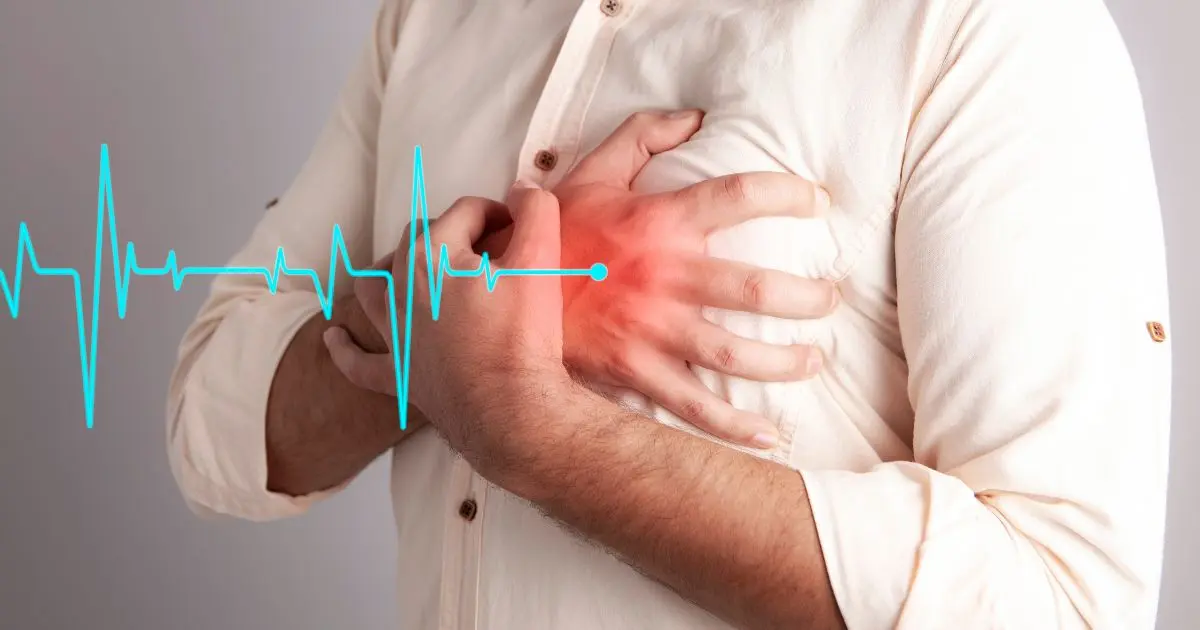
- chest pain or discomfort;
- reduced physical performance;
- difficulty concentrating.
If the heart rate suddenly drops significantly or is accompanied by loss of consciousness, immediate medical attention is required.
How Is Bradycardia Diagnosed?
To determine the cause of bradycardia, a cardiologist performs a comprehensive evaluation.
Diagnostic tests may include:
- consultation with a cardiologist;
- electrocardiogram (ECG);
- 24-hour Holter monitoring;
- echocardiography;
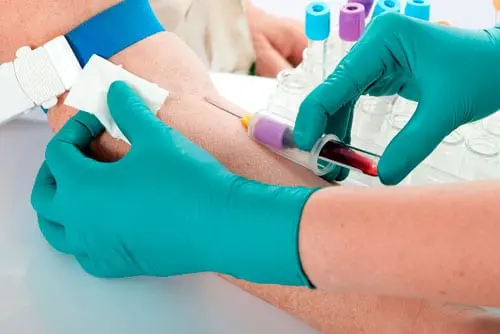
- laboratory blood tests;
- exercise stress testing when indicated.
An ECG plays a particularly important role because it allows physicians to evaluate heart rate, detect conduction abnormalities, and identify other electrical disturbances affecting the heart.
If necessary, additional cardiac diagnostic tests may be recommended to establish the underlying cause of the rhythm disorder.
Modern Treatment of Bradycardia
Treatment depends on the underlying cause of the slow heart rate, the severity of symptoms, and the patient's overall condition.
Management may include:
- lifestyle modifications;
- treatment of the underlying medical condition;
- adjusting or changing medications if they are responsible for the slow heart rate;
- medications when clinically indicated;
- implantation of a pacemaker in patients with severe or symptomatic bradycardia.
If a slow heart rate causes no symptoms and is considered a normal physiological characteristic, no specific treatment is usually required. The decision is made by a cardiologist after a comprehensive evaluation.
When Should You See a Cardiologist?
You should consult a cardiologist if:
- your resting heart rate is consistently below 60 beats per minute and is accompanied by symptoms;
- you experience dizziness or fainting;
- you develop chest pain;
- you experience shortness of breath;
- your physical performance decreases significantly;
- you have a known history of heart disease.
At Helyos Medical Center, patients can consult experienced cardiologists, undergo a comprehensive cardiovascular evaluation, and receive advanced cardiac diagnostic testing to determine the cause of heart rhythm disorders.
Conclusion
Bradycardia may be either a normal physiological finding or a sign of a serious heart or systemic medical condition. Early medical evaluation, including an ECG and a comprehensive cardiac assessment, helps identify the cause of the slow heart rate and determine the most appropriate treatment strategy.
If you experience weakness, dizziness, fainting, or any other concerning symptoms, do not delay seeking medical attention. Early diagnosis and appropriate treatment can help prevent potentially serious complications and support long-term cardiovascular health.

Was this article helpful?
Thank you for rating.
Prices


Frequently asked questions
History taking:
The doctor will ask about your symptoms, health, habits, and family history of heart disease.
Examination and testing:
Your blood pressure and pulse are measured, and your heart and lungs are examined with a stethoscope.
Diagnostics:
An ECG, ultrasound of the heart (echocardiography), blood tests, and other tests are ordered as needed.
Treatment plan:
The cardiologist will make a diagnosis and provide treatment and lifestyle recommendations.
Follow-up care:
Follow-up tests or consultations may be ordered.
Still have questions?
Leave your details and a doctor will call you back.