General and Hormonal Blood Tests: Which Laboratory Tests Are Essential for Monitoring Your Health
Reviewed by Dyakova Valentina Nikolaevna, Gynecologist - oncologist, Obstetrician-gynecologist, Oncologist, Oncologist, Surgeon of the highest category. updated: 28 August 2025
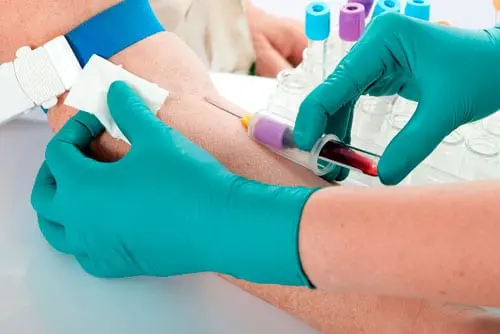
Regular health monitoring helps detect abnormalities before noticeable symptoms appear. Laboratory testing remains one of the most important tools in modern diagnostics, allowing physicians to evaluate the function of internal organs, metabolism, the immune system, and hormonal balance. Even if you feel healthy, preventive laboratory testing is an essential part of maintaining your overall well-being. Test results help physicians assess your general health, detect diseases at an early stage, and recommend the most appropriate treatment.
Why Are General and Hormonal Blood Tests Important?
Laboratory testing is an integral part of modern healthcare. It is used for preventive screening, confirming diagnoses, and monitoring treatment effectiveness. General laboratory tests provide valuable information about the function of the body's major systems, while hormonal tests evaluate the condition of the endocrine system.
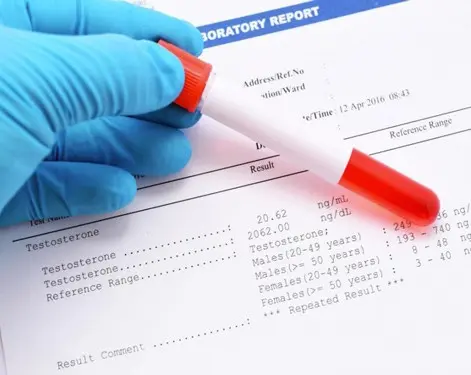
Hormones regulate metabolism, cardiovascular function, nervous system activity, reproductive health, growth, emotional well-being, and overall physical condition. Hormonal imbalances may remain unnoticed for a long time, making early diagnosis especially important.
If thyroid disorders requiring surgery are detected, modern endocrine surgery techniques may be recommended. Learn more about endocrine surgery follow the link
Which Test Results Help Evaluate Your Health?
The selection of laboratory tests is individualized based on age, sex, medical history, chronic diseases, and current symptoms. Basic laboratory testing commonly includes:
- complete blood count (CBC)
- urinalysis
- blood chemistry (biochemical blood test)
- blood glucose testing
- cholesterol testing
- other essential laboratory markers.
Hormonal testing may include evaluation of thyroid hormones, reproductive hormones, cortisol, insulin, and other hormones depending on the patient's clinical condition.
Only a comprehensive interpretation of laboratory results allows physicians to obtain a complete picture of a patient's health, detect hidden disorders, and determine whether additional diagnostic procedures are necessary.
When Should You Have Laboratory Tests?
Laboratory testing is recommended not only when symptoms appear but also as part of routine preventive healthcare. Regular screening helps detect diseases at an early stage, when treatment is most effective.
You should consider laboratory testing in the following situations:
- during routine medical check-ups
- persistent fatigue or weakness
- sudden weight gain or weight loss
- symptoms of thyroid disorders
- suspected hormonal imbalance
- when planning a pregnancy
- before surgical procedures
- for monitoring chronic diseases
- following a physician's recommendation after recovering from infectious illnesses.
In some situations, laboratory testing is complemented by imaging studies to clarify the diagnosis. For example, computed tomography (CT) provides detailed visualization of internal organs and helps physicians better interpret the results of a comprehensive diagnostic evaluation. Learn more about CT imaging follow the link.
How to Prepare for Laboratory Tests
Proper preparation is essential for obtaining accurate laboratory results. Most blood tests are recommended in the morning after fasting. Patients are also advised to avoid alcohol consumption, intense physical activity, and significant emotional stress for at least 24 hours before testing.
If you take prescription medications regularly, inform your physician beforehand, as certain medications may influence laboratory values. Some hormonal tests should be performed on specific days of the menstrual cycle or at certain times of the day, so preparation instructions may vary depending on the examination.
Why Is Regular Laboratory Screening Important?
Routine laboratory testing plays a vital role in preventing and detecting many diseases. It helps identify anemia, diabetes mellitus, liver disease, kidney disorders, endocrine diseases, cardiovascular conditions, and many other health problems that may remain symptom-free for long periods.
If laboratory results reveal conditions requiring surgical treatment, patients may be referred to surgical specialists for further evaluation and development of the most appropriate treatment plan. Learn more about general surgery follow the link
Regular medical consultations, timely laboratory testing, and a proactive approach to personal health help maintain normal body function, prevent complications, and ensure prompt treatment when abnormalities are detected.

Was this article helpful?
Thank you for rating.
Prices


Frequently asked questions
Information collection:
complaints, diseases, heredity, lifestyle.
Examination:
palpation of the thyroid gland, measurement of weight, blood pressure.
Purpose of research:
tests (hormones, glucose), ultrasound, MRI.
Recommendations:
treatment, diet, observation schedule.
Still have questions?
Leave your details and a doctor will call you back.