
Hip Replacement Surgery: How to Return to an Active Life
Hip replacement surgery (hip arthroplasty) is one of the most effective procedures in modern orthopedic surgery. It relieves chronic pain, restores mobility, and helps patients regain an active lifestyle. Diseases and injuries affecting the hip joint can significantly limit daily activities and, in advanced cases, even make independent walking impossible. Timely surgical treatment restores joint function and greatly improves quality of life.
At the Helyos Surgery & Rehabilitation Center, hip replacement procedures are performed by experienced orthopedic trauma surgeons using advanced implants and internationally recognized treatment standards. Patients receive comprehensive care—from diagnosis and surgery to rehabilitation and long-term recovery.
What Is Hip Replacement Surgery?
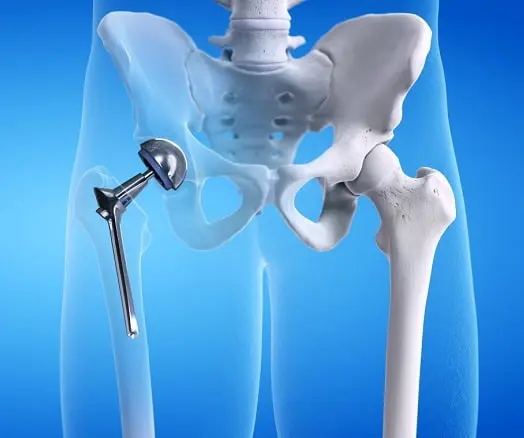
Hip replacement surgery is a procedure in which a damaged hip joint is partially or completely replaced with an artificial implant (prosthesis). The implant is designed to replicate the natural anatomy of the hip joint while restoring smooth, pain-free movement.
Modern hip implants are manufactured from biocompatible materials that integrate well with the body, withstand significant mechanical stress, and provide long-term durability.
The primary goals of surgery are to relieve pain, restore lower-limb function, and help patients return to their normal daily activities.
When Is Hip Replacement Recommended?
The decision to perform hip replacement surgery is made after a comprehensive evaluation of the patient's condition and the extent of joint damage.
The most common indications include:
- hip osteoarthritis (coxarthrosis);
- avascular (aseptic) necrosis of the femoral head;
- femoral neck fracture (hip fracture);
- rheumatoid arthritis;
- severe post-traumatic joint damage;
- congenital hip deformities;
- significant loss of joint mobility;
- persistent pain that no longer responds to conservative treatment.
When non-surgical treatment no longer provides adequate relief, hip replacement becomes the most effective option for restoring joint function.
How Is Hip Replacement Surgery Performed?
Before surgery, patients undergo a comprehensive preoperative evaluation that includes laboratory tests, diagnostic imaging, and consultations with appropriate medical specialists.
The procedure is performed under either general anesthesia or regional anesthesia.
The main stages of surgery include:
- surgical access to the hip joint;
- removal of damaged joint structures;
- preparation of the bone;
- implantation of the prosthetic components;
- assessment of joint stability and mobility;
- closure of the surgical wound.
Depending on the complexity of the case, the procedure usually takes between one and two hours.
Benefits of Modern Hip Implants
Advances in orthopedic technology have made it possible to develop implants that closely replicate the natural anatomy of the human hip.
The main advantages include:
- exceptional mechanical strength;
- excellent biocompatibility;
- long service life;
- restoration of natural joint movement;
- significant pain relief;
- the ability to return to an active lifestyle;
- high reliability and durability.
A properly selected hip implant can provide stable joint function for many years.
Rehabilitation and Recovery After Hip Replacement Surgery
Postoperative rehabilitation is an essential part of successful treatment and long-term outcomes.
A comprehensive rehabilitation program typically includes:
- early patient mobilization;
- physical therapy;
- exercises to restore muscle strength;
- gradual increases in physical activity;
- gait training;
- regular follow-up with rehabilitation specialists.
Thanks to modern surgical techniques and rehabilitation protocols, most patients are able to stand and begin walking within the first few days after surgery. Full recovery usually takes several months, depending on the patient's overall health, age, and individual healing process.
Recommendations for a Successful Return to Daily Life
To ensure that the new hip joint functions effectively for many years, it is important to follow your surgeon's recommendations.
After surgery, patients are generally advised to:
- perform prescribed rehabilitation exercises regularly;
- avoid excessive physical strain;
- maintain a healthy body weight;
- use walking aids during the recovery period if recommended;
- attend scheduled follow-up appointments;
- remain physically active within the limits advised by their healthcare provider.
Following these recommendations promotes faster recovery and helps reduce the risk of postoperative complications.
When Should You See an Orthopedic Surgeon?
A consultation with an orthopedic surgeon is recommended if you experience:
- persistent hip pain;
- significantly limited hip mobility;
- difficulty walking;
- insufficient relief from conservative treatment;
- progressive joint disease that negatively affects your quality of life.
At the Helyos Surgery & Rehabilitation Center, patients can consult experienced orthopedic trauma surgeons, undergo comprehensive diagnostic evaluation, receive advanced surgical treatment, and complete a personalized rehabilitation program.
Conclusion
Hip replacement surgery is a highly effective and well-established treatment for severe hip joint diseases and traumatic injuries. Thanks to advances in orthopedic surgery, high-quality implants, and comprehensive rehabilitation, most patients can return to an active, independent life free from chronic pain and severe mobility limitations.
Seeking medical attention early allows specialists to determine the most appropriate treatment strategy and achieve the best possible long-term outcome.

Was this article helpful?
Thank you for rating.
Still have questions?
Leave your details and a doctor will call you back.