Gastroscopy and Colonoscopy: When You Should Undergo an Endoscopic Examination
Reviewed by Yevheniia Anatoliivna Minchuk, Gastroenterologist of the highest category, Dietitian updated: 25 June 2025
Diseases of the digestive system often develop without obvious symptoms, making early diagnosis essential for maintaining good health. Gastroscopy and colonoscopy are among the most informative diagnostic procedures available today. Modern endoscopy allows physicians to detect abnormalities at an early stage, establish an accurate diagnosis, and begin treatment promptly. Thanks to advanced equipment and the use of sedation, these procedures are now safer and significantly more comfortable for patients.
What Are Gastroscopy and Colonoscopy?
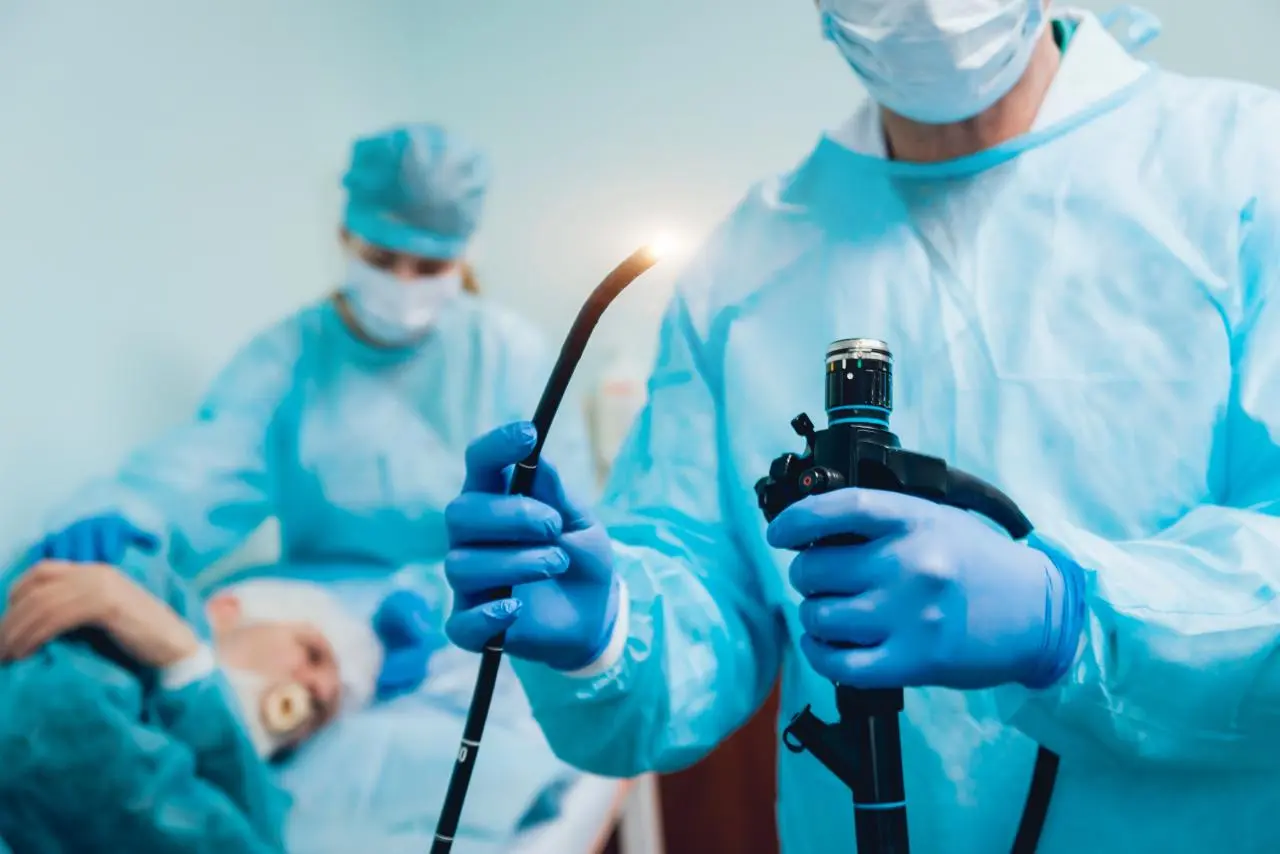
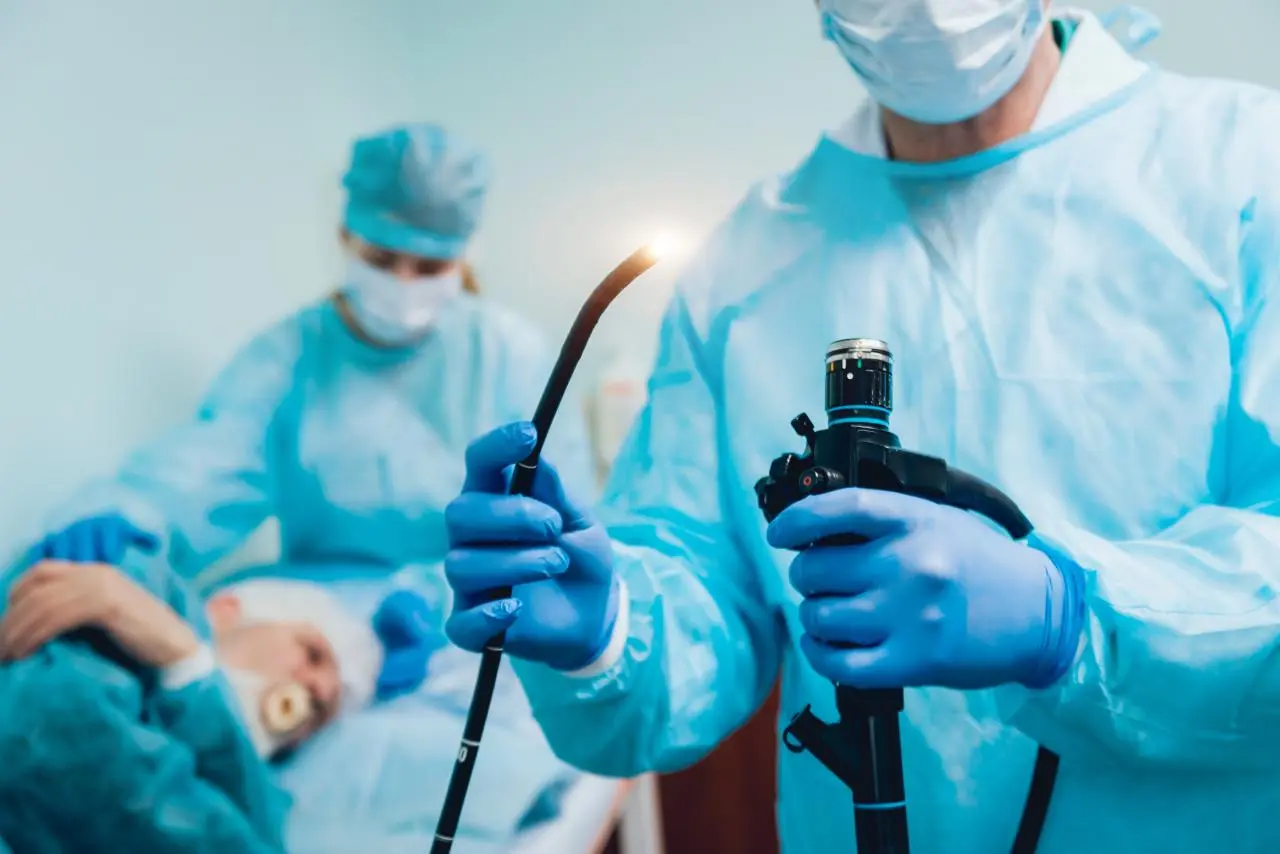
Gastroscopy is an endoscopic examination of the upper gastrointestinal tract that allows a physician to evaluate the condition of the esophagus, stomach, and duodenum. The procedure is performed using a thin, flexible endoscope equipped with a video camera that transmits high-quality images to a monitor.
Colonoscopy is used to examine the large intestine (colon). During the procedure, the physician carefully inspects the intestinal lining, identifies abnormal changes, obtains tissue samples for biopsy when necessary, and may perform certain therapeutic procedures during the same examination.
Both procedures are widely used in gastroenterology and are considered the gold standard for diagnosing many gastrointestinal disorders.
When Is an Endoscopic Examination Recommended?
A medical consultation and endoscopic evaluation are recommended if you experience symptoms that may indicate diseases of the stomach or intestines.
The most common indications include:
- abdominal pain
- heartburn or frequent belching
- nausea or vomiting
- difficulty swallowing
- blood in the stool
- persistent constipation or diarrhea
- unexplained weight loss
- anemia of unknown origin
- suspected peptic ulcer disease, polyps, or tumors.
Endoscopic examinations are also recommended to monitor treatment effectiveness or as a preventive screening method for patients at increased risk of gastrointestinal diseases.
How Are Gastroscopy and Colonoscopy Performed Under Sedation?
Today, many medical centers perform gastroscopy and colonoscopy under intravenous sedation. This approach significantly reduces anxiety and discomfort, making the examination as comfortable as possible for the patient.
Stages of the Procedure
Before the examination, the physician reviews the patient's medical history, evaluates test results, and confirms that there are no contraindications. After sedative medication is administered, the patient enters a light medically induced sleep.
During gastroscopy, the endoscope is inserted through the mouth to examine the upper digestive tract. Colonoscopy is performed through the rectum, allowing the physician to thoroughly inspect the entire colon. If necessary, tissue samples can be collected for biopsy or small polyps can be removed without additional surgery.
Preparing for the Procedure
Before gastroscopy, patients should avoid eating for at least 6–8 hours. Proper bowel preparation is essential before colonoscopy and includes cleansing the colon with prescribed medications and following dietary recommendations for several days before the examination.
Before sedation, the physician reviews the patient's history of allergies, chronic illnesses, and current medications to ensure the highest level of safety during the procedure.
What to Expect During the Examination
While under sedation, patients typically experience little to no discomfort and usually have no memory of the procedure. Gastroscopy generally takes 5–10 minutes, while colonoscopy usually lasts 20–30 minutes. After the examination, patients remain under medical observation until they have fully recovered from the sedative.
Preparation and Post-Procedure Recommendations
The accuracy of endoscopic diagnosis largely depends on proper preparation. Patients should carefully follow their physician's instructions regarding diet, fluid intake, and bowel-cleansing medications. After undergoing sedation, it is recommended to avoid driving and strenuous physical activity for the remainder of the day.
If endoscopy reveals conditions requiring surgical treatment, modern general surgery techniques may be used. Learn more about general surgery follow the link. In many cases, laparoscopic surgery is the preferred option because it minimizes tissue trauma and promotes faster recovery. Learn more about laparoscopic surgery follow the link
What Can Endoscopic Diagnostics Detect?
Endoscopy can help diagnose gastritis, peptic ulcers, polyps, inflammatory conditions, gastrointestinal bleeding, benign and malignant tumors, diverticulosis, inflammatory bowel disease, and many other digestive disorders. When necessary, physicians can immediately obtain tissue samples for histological examination or perform minimally invasive therapeutic procedures.
If complications of peptic ulcer disease are identified, surgical treatment may be required. Learn more about stomach ulcer surgery follow the link
Timely consultation with a physician and undergoing gastroscopy or colonoscopy can help detect diseases at an early stage, begin treatment promptly, and protect your long-term health. If you experience concerning digestive symptoms, do not postpone an examination, as early diagnosis greatly improves treatment outcomes.

Was this article helpful?
Thank you for rating.
Schedule an appointment with a doctor


Still have questions?
Leave your details and a doctor will call you back.