Gynecological Laparoscopy: A Modern Method for Diagnosis and Treatment
Reviewed by Poleshko Kateryna Volodymyrivna, Endocrinologist, highest category updated: 21 August 2026
Gynecological laparoscopy is a modern minimally invasive technique that allows both diagnosis and surgical treatment of various diseases affecting the pelvic organs. By using a specialized video camera and miniature surgical instruments, procedures are performed through small incisions, significantly reducing tissue trauma and shortening recovery time.
At the Helyos Surgery and Rehabilitation Center, laparoscopic procedures are performed by experienced gynecologic surgeons using advanced endoscopic equipment. An individualized diagnostic and treatment plan is developed for every patient. This article has been prepared in accordance with the technical specification requirements.
What Is Gynecological Laparoscopy?
Laparoscopy is a minimally invasive surgical procedure in which access to the pelvic organs is obtained through several small incisions in the anterior abdominal wall.
A laparoscope—a specialized instrument equipped with a video camera and light source—is inserted through one of the incisions. The image is displayed on a monitor, allowing the surgeon to examine the pelvic organs in detail and perform the necessary therapeutic procedures.
Laparoscopy is used for both diagnosis and surgical treatment of various gynecological conditions.
Indications for Laparoscopy
Laparoscopic surgery may be recommended for a variety of gynecological disorders.
The main indications include:
- Ovarian cysts
- Endometriosis
- Uterine fibroids
- Pelvic adhesions
- Infertility
- Chronic pelvic pain
- Ectopic pregnancy
- Suspected pelvic tumors
Diagnostic Laparoscopy
Diagnostic laparoscopy is used when other diagnostic methods cannot provide a definitive diagnosis.
During the procedure, the surgeon may:
- Assess the condition of the uterus, ovaries, and fallopian tubes
- Detect endometriosis
- Identify pelvic adhesions
- Determine the cause of chronic pelvic pain
- Evaluate fallopian tube patency
The findings help determine the most appropriate treatment strategy.
Operative Laparoscopy
If a pathology is identified during diagnostic laparoscopy, the procedure can immediately be converted into therapeutic surgery.
Laparoscopy can be used to perform:
- Ovarian cyst removal
- Surgical treatment of endometriosis
- Adhesiolysis (removal of adhesions)
- Treatment of ectopic pregnancy
- Myomectomy
- Other gynecological procedures
Endoscopic gynecological surgery allows treatment to be performed while preserving healthy tissue as much as possible.
Contraindications to Laparoscopy
Although laparoscopy is considered a safe procedure, there are situations in which it may be temporarily or permanently contraindicated.
The main contraindications include:
- Severe blood clotting disorders
- Advanced cardiovascular disease
- Severe respiratory failure
- Acute infectious diseases
- Extensive inflammatory processes
- Certain forms of obesity
The suitability of laparoscopy is determined by the physician after a comprehensive medical evaluation.
Preparation for the Procedure
Before surgery, patients undergo a complete preoperative assessment.
Preparation includes:
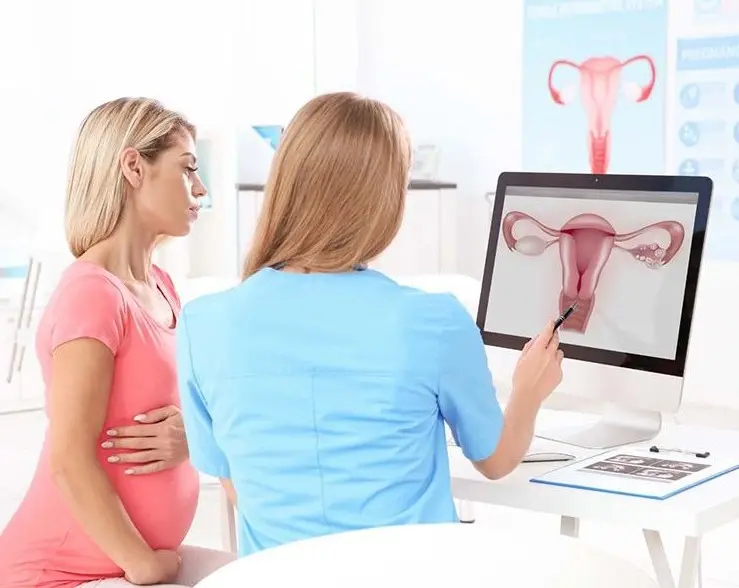
- Consultation with a gynecologist
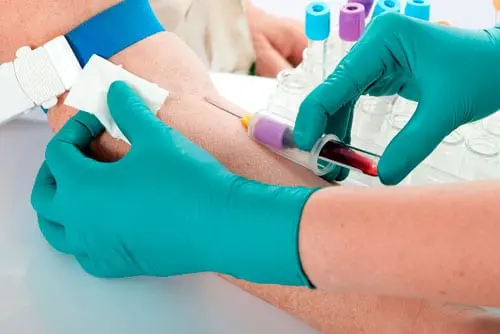
- Laboratory tests
- Electrocardiogram (ECG)
- Ultrasound examination
- Consultation with an anesthesiologist
- Following recommendations regarding bowel preparation and dietary restrictions
Following the physician's instructions helps reduce the risk of complications and ensures safe surgery.
How Is Laparoscopy Performed?
The procedure is performed under general anesthesia.
The main stages include:
- Making small incisions in the abdominal wall
- Inserting the laparoscope
- Examination of the pelvic organs
- Performing the required surgical procedures
- Removing the instruments
- Closing the incisions with cosmetic sutures
The duration of surgery depends on the specific condition and the extent of the procedure.
Duration of the Procedure
Many patients ask how long gynecological laparoscopy takes.
On average, the procedure lasts from 30 minutes to several hours, depending on the complexity of the condition, the extent of surgery, and individual patient factors.
After surgery, the patient is transferred to a recovery room, where she remains under medical supervision.
Recovery After Laparoscopy
Recovery after minimally invasive surgery is generally much faster than after traditional open surgery.
During rehabilitation, patients are advised to:
- Follow their physician's recommendations
- Limit strenuous physical activity
- Maintain a balanced diet
- Attend follow-up appointments
- Gradually return to normal daily activities
In the absence of complications, most patients recover quickly and resume their normal routines.
How long does gynecological laparoscopy take?
The duration depends on the diagnosis and the extent of the procedure. In most cases, surgery lasts from 30 minutes to several hours.
What are the advantages of endoscopic gynecological surgery?
Laparoscopic surgery offers minimal tissue trauma, small incisions instead of large surgical cuts, reduced blood loss, less postoperative pain, shorter hospitalization, and faster recovery.
What are the contraindications to gynecological laparoscopy?
Contraindications may include severe blood clotting disorders, advanced heart or lung disease, acute infections, and certain other medical conditions. The decision is made by the physician after a comprehensive examination.
Is gynecological laparoscopy performed under anesthesia?
Yes. Laparoscopic gynecological procedures are performed under general anesthesia, ensuring patient comfort and allowing the surgeon to safely perform all necessary surgical procedures.

Was this article helpful?
Thank you for rating.
Prices
Still have questions?
Leave your details and a doctor will call you back.