What is a pterygium?
A pterygium usually develops gradually. Its appearance is associated with prolonged exposure to ultraviolet light, wind, dust and dry air.
In the early stages it may cause no symptoms, but it can grow over time.
When is removal necessary?
Removal may be recommended if the pterygium:
- is increasing in size
- is spreading onto the cornea
- is affecting vision
- causes constant irritation or redness
- creates a noticeable cosmetic concern
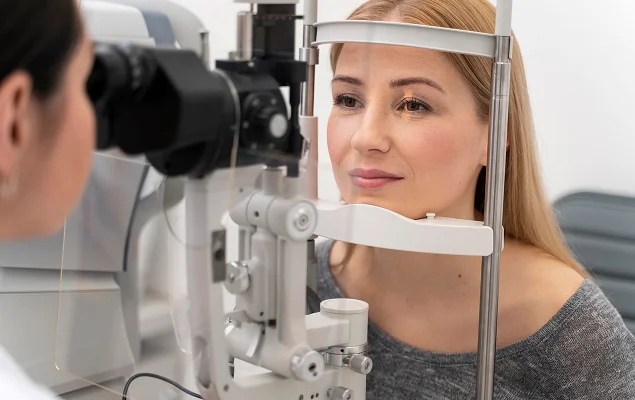
The decision is made by the ophthalmologist after an examination.
How is a pterygium removed?
The procedure is performed under local anaesthesia. The surgeon removes the altered tissue and, where necessary, covers the area with a graft of the patient’s own conjunctiva.
This technique is aimed at reducing the risk of regrowth.
After the procedure
The ophthalmologist gives recommendations on caring for the eye, using the prescribed medication and what to avoid during recovery.
Follow-up examinations at the intervals set by the doctor are required.
Need a consultation with an ophthalmologist?
Book an appointment at Helios. The doctor will examine you, order further diagnostics if needed and determine the best treatment approach.
The information on this page is for general guidance and does not replace a consultation with a doctor. Indications, contraindications and the method of treatment are determined individually after a medical examination.