Rhinoplasty: The Procedure and Recovery Process
At the Helios Medical Center, we offer plastic surgery services designed to enhance your appearance, improve breathing, and restore the natural anatomical structure and shape of the nose. We utilize the latest technologies and state-of-the-art equipment, backed by the advanced professional expertise and skills of our surgeons. In this article, we explore modern rhinoplasty.
What Is Rhinoplasty and When Is It Performed?
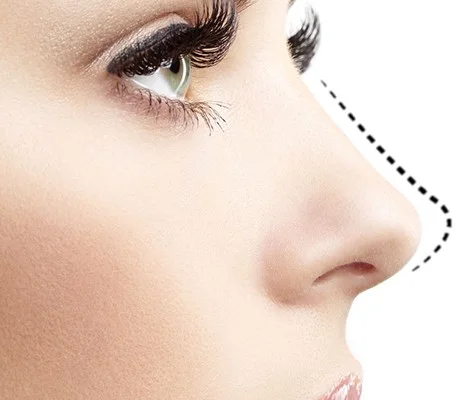
Rhinoplasty is a plastic surgery procedure used to correct the shape, proportions, or size of the nose for either aesthetic or functional reasons. Its goal is to address visible defects—regardless of their origin—or to improve nasal breathing. At the Helios Surgery and Rehabilitation Center, procedures to address breathing issues (such as conchotomy or conchoplasty) are performed using radiofrequency ablation or laser technology. Rhinoplasty can be reconstructive, aimed at correcting structural imperfections, or revisionary, intended to improve the results of a previous surgical intervention.
Rhinoplasty is generally not recommended for patients under the age of 18, as the nasal skeleton continues to develop until approximately that age.
Primary Indications for Rhinoplasty
Specialists may recommend rhinoplasty if a patient experiences facial disproportion—caused by a nose that is too large, small, narrow, or wide—or other visible defects that cause distress, diminish self-confidence, or lead to functional impairments. Indications for rhinoplasty include:
Aesthetic: The surgery can be used to narrow the nostrils, refine the bridge of the nose, straighten the nasal septum, reshape the nasal tip or wings, remove a hump, and more.
Medical: Rhinoplasty may be indicated for breathing difficulties resulting from a congenital deviated septum or post-traumatic changes. Furthermore, chronic nasal congestion, sinusitis, and snoring can stem from bone displacement—anatomical deformities that can be corrected through surgery.
Rhinoplasty should be performed by an experienced plastic surgeon with specialized qualifications in otolaryngology (ENT) surgery, as a successful outcome requires a deep understanding of nasal anatomy and function.
The Rhinoplasty Procedure
Following a consultation with the surgeon, the modeling of the new nasal shape, and agreement on the planned changes, the patient must undergo standard preoperative testing at the modern laboratory of the Helios Medical Center to rule out any contraindications. The surgery lasts 1–2 hours and is performed under general anesthesia. The specific steps and methods depend on the surgical technique employed:
Open rhinoplasty involves making an incision across the columella (the tissue bridge between the nostrils) to gain access to the underlying bone and cartilage structure. This approach is typically used for complex reconstructions. The incisions are closed with discreet or hidden cosmetic sutures.
Closed rhinoplasty is performed entirely from within the nostrils and is generally intended for minor aesthetic adjustments that do not require significant alteration of the bony anatomy. This technique can be used to address issues such as a nasal hump, the width of the bridge, or the shape of the nasal tip. It typically involves a shorter recovery period and less postoperative swelling.
To keep the nose in a stable position following the procedure, a dressing—often incorporating specialized splints or nasal packing—is applied. Depending on their overall health, the patient may either stay at the clinic overnight or be discharged home on the same day as the surgery. For the first two to three weeks, you should be prepared for swelling, some difficulty breathing, and minor bruising under the eyes—all of which are considered normal. It is essential to take the prescribed medications and attend follow-up medical appointments for dressing changes.
Recovery After Rhinoplasty and Medical Advice
Your surgeon will advise you to sleep only on your back, avoid bending your head forward, and refrain from wearing glasses or doing anything that might disturb the nose—such as pulling tight-fitting clothing over your head or making exaggerated facial expressions—during the first few days following the procedure. External signs of the surgery typically fade within 3–4 weeks. However, for another month, you must avoid strenuous physical activity, as well as baths, saunas, and steam rooms.
Rhinoplasty Results and the Recovery Process
The recovery period after rhinoplasty lasts approximately one month, by the end of which the patient can return to normal social activities. During this time, it is necessary to follow specific hygiene protocols. The outcome of the surgery depends largely on the patient’s diligence, so it is crucial to follow the surgeon’s recommendations precisely.
A full recovery of your appearance takes about 3 months, while the final aesthetic result of the nose can be assessed after nearly a year—once the bone tissue has finished regenerating following the surgery and the soft tissues have fully adapted to their new state.

Was this article helpful?
Thank you for rating.
Still have questions?
Leave your details and a doctor will call you back.