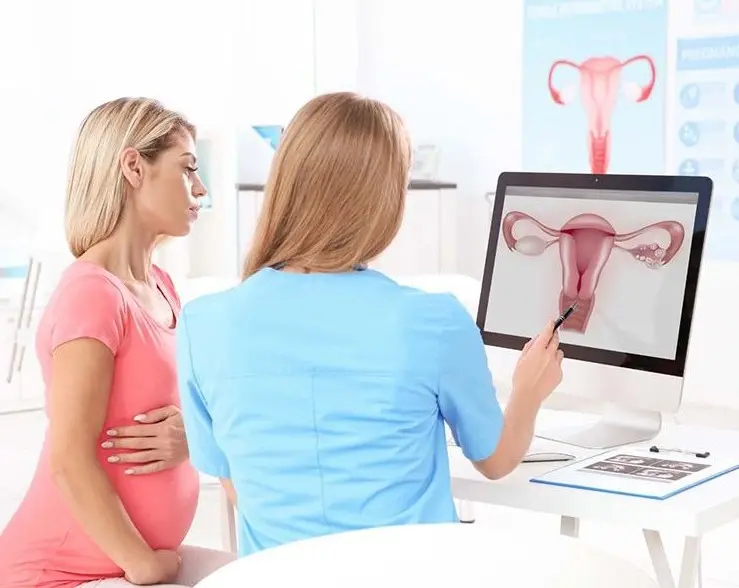
Uterus Removal (Hysterectomy): Modern Surgical Treatment Methods
Reviewed by Poleshko Kateryna Volodymyrivna, Endocrinologist, highest category updated: 5 September 2026
Uterus removal, or hysterectomy, is a surgical procedure performed for a range of gynecological conditions when conservative treatment is ineffective or when there is a high risk of complications. Modern surgical techniques allow the procedure to be performed as safely as possible, reducing surgical trauma and shortening the recovery period.
At the Helyos Surgery and Rehabilitation Center, hysterectomy procedures are performed by experienced gynecologic surgeons using advanced technologies. The surgical method is selected individually, taking into account the diagnosis, the patient's age, reproductive plans, and overall health. This article has been prepared in accordance with the technical specification requirements.
What Is Uterus Removal (Hysterectomy)?
Hysterectomy is a surgical procedure in which the uterus is removed either completely or partially. In some cases, the fallopian tubes, ovaries, and cervix may also be removed.
Modern gynecology uses several types of procedures:
- Total hysterectomy
- Supracervical hysterectomy
- Hysterectomy with adnexal removal
- Laparoscopic hysterectomy
- Open surgery
The choice of method depends on the disease, the required extent of surgery, and the clinical situation.
Indications for Uterus Removal
Uterus removal is performed only when there are medical indications.
The most common indications include:
- Endometrial cancer
- Cervical cancer
- Uterine adenocarcinoma
- Large uterine fibroids
- Severe adenomyosis
- Endometrial hyperplasia with a high risk of complications
- Advanced uterine prolapse
- Chronic uterine bleeding that does not respond to treatment
The decision to perform surgery is made after a complete examination of the patient.
Types of Uterus Removal Surgery
Total Hysterectomy
Total hysterectomy involves removal of both the body of the uterus and the cervix.
This operation is performed for many oncological diseases, severe forms of uterine fibroids, and other serious conditions.
Supracervical Hysterectomy
In this procedure, the body of the uterus is removed while the cervix is preserved.
This method is used when appropriate indications are present and there are no pathological changes in the cervix.
Laparoscopic Hysterectomy
The laparoscopic method of uterus removal is considered one of the most modern surgical treatment options.
Its main advantages include:
- Minimal tissue trauma
- Small punctures instead of large incisions
- Reduced pain
- Lower risk of infectious complications
- Faster recovery
- Good cosmetic outcome
When there are no contraindications, laparoscopic surgery is often the preferred treatment option.
Laparoscopic Uterus Removal: Benefits and Features
Laparoscopic hysterectomy is performed using a specialized video camera and miniature surgical instruments.
During the operation, the surgeon receives an enlarged view of the surgical field, allowing all manipulations to be performed with high precision.
Advantages of the laparoscopic method include:
- Minimal blood loss
- Shorter hospital stay
- Faster return to daily life
- Lower risk of adhesion formation
- Reduced postoperative discomfort
The possibility of laparoscopic surgery is determined after a comprehensive examination.
Preparation for Uterus Removal Surgery
Before hospitalization, the patient undergoes a complete examination.
Preparation includes:
- Gynecological consultation
- Laboratory tests
- Pelvic ultrasound examination
- Electrocardiogram (ECG)
- Consultation with an anesthesiologist
- Additional examinations if needed
After reviewing the results, the physician explains the upcoming treatment in detail and answers all of the patient's questions.
How Uterus Removal Surgery Is Performed
The procedure is performed under general anesthesia.
The main stages of surgery include:
- Creating the surgical access
- Mobilizing the uterus
- Ligation of blood vessels
- Removal of the uterus
- Hemostasis control
- Completion of the operation and tissue closure
The duration of surgery depends on the complexity of the disease and the selected surgical technique.
Recovery and Rehabilitation After Uterus Removal
After surgery, the patient remains under medical supervision.
During recovery, patients are advised to:
- Follow the physician's instructions
- Gradually increase physical activity
- Avoid heavy lifting
- Maintain a balanced diet
- Attend follow-up appointments on time
- Complete the postoperative rehabilitation program
Following these recommendations supports faster recovery and reduces the risk of complications.
Life After Uterus Removal: What You Should Know
After completing rehabilitation, most women return to their normal lifestyle.
It is important to:
- Follow the doctor's recommendations
- Attend regular preventive check-ups
- Maintain moderate physical activity
- Monitor overall health
- Consult a specialist if any symptoms or concerns appear
If the ovaries are preserved, hormonal function usually remains unchanged. If the ovaries are also removed, the physician may recommend additional treatment.
How long does recovery take after uterus removal?
Recovery time depends on the surgical method and individual patient characteristics. After laparoscopic surgery, most patients recover faster than after open surgery.
What restrictions should be followed after uterus removal surgery?
During rehabilitation, patients should avoid heavy lifting, intense physical activity, and sexual intercourse for the period specified by the doctor. Regular follow-up visits are also important.
Does uterus removal affect a woman's hormonal balance?
If the ovaries are preserved during surgery, hormonal balance usually does not change significantly. If the ovaries are removed, hormonal changes may occur and can be managed by the treating physician when necessary.
Can I exercise after uterus removal?
Return to exercise should be gradual and only after medical approval. Full physical activity is usually allowed after the recovery period is complete.
What are the alternatives to uterus removal?
In some cases, conservative treatment, hormone therapy, or organ-preserving surgery may be possible. The choice depends on the diagnosis, the patient's age, disease severity, and the results of a comprehensive medical evaluation.

Was this article helpful?
Thank you for rating.
Prices
Still have questions?
Leave your details and a doctor will call you back.