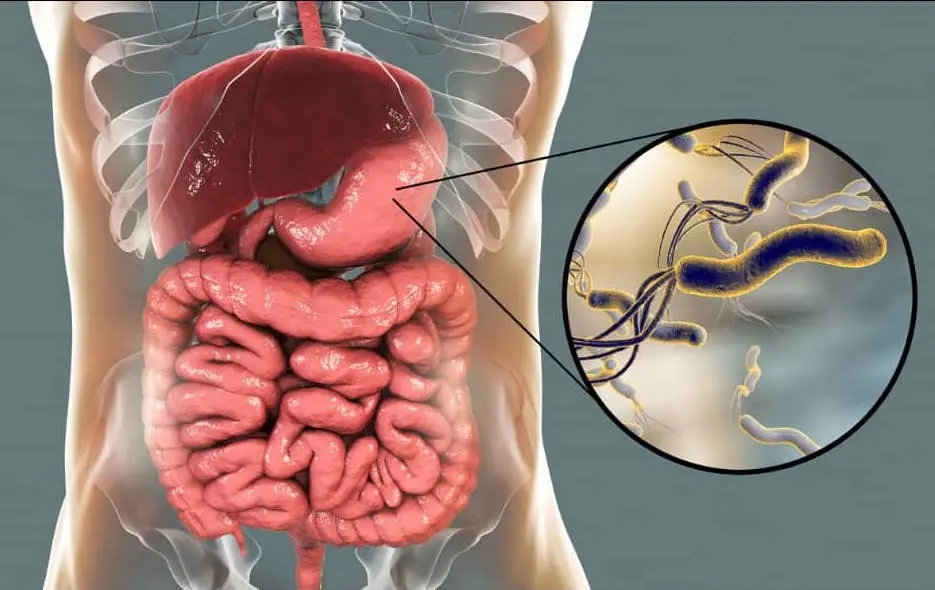
Abdominal Surgery: Modern Treatment for Diseases of the Abdominal Organs
Reviewed by Alexander Vasilyevich Gubarik, Honored Doctor of Ukraine, Orthopedic Surgeon updated: 3 August 2026
Abdominal surgery is one of the key areas of modern medicine, focused on the surgical treatment of diseases affecting the abdominal organs. Thanks to the development of minimally invasive technologies, many procedures can now be performed with minimal tissue trauma, helping reduce hospital stays and accelerate patient recovery.
At the Helyos Surgery and Rehabilitation Center in Dnipro, diagnosis and surgical treatment are provided for a wide range of abdominal diseases. Experienced surgeons use modern operative techniques and select the most appropriate treatment strategy for each patient.
What Is Abdominal Surgery?
Abdominal surgery is a branch of general surgery that specializes in treating diseases of the abdominal organs. Abdominal surgeons perform procedures on the stomach, intestines, liver, gallbladder, pancreas, spleen, abdominal wall, and other organs.
Modern abdominal surgery makes it possible to effectively treat both acute conditions requiring emergency care and chronic diseases, significantly improving patients' quality of life.
Types of Abdominal Operations
Depending on the nature of the disease and the clinical situation, different types of surgical procedures may be used.
Open Abdominal Surgery
Open abdominal surgery is performed through an incision in the anterior abdominal wall.
This method is used for:
- Large tumors
- Widespread inflammatory processes
- Complicated forms of disease
- Emergency surgical conditions
- Cases where laparoscopic surgery is not possible
Open surgery provides wide access to the abdominal organs and allows surgeons to perform complex surgical procedures.
Laparoscopic Abdominal Surgery
Surgeons increasingly use minimally invasive technologies.
Laparoscopic abdominal surgery is performed through small punctures using a special video camera and surgical instruments.
The advantages of this method include:
- Minimal tissue trauma
- Less postoperative pain
- Faster recovery
- Lower risk of infectious complications
- Shorter hospital stay
- Excellent cosmetic result
When there are no contraindications, the laparoscopic approach is often the preferred treatment option.
Indications for Abdominal Surgery
Abdominal surgery is used for a wide range of diseases affecting the abdominal organs.
The main indications include:
- Gallstone disease
- Acute appendicitis
- Anterior abdominal wall hernias
- Complicated peptic ulcer disease
- Intestinal obstruction
- Diverticular disease of the intestine
- Benign and malignant tumors
- Injuries of the abdominal organs
- Inflammatory diseases of the digestive system
The need for surgery is determined after a comprehensive medical evaluation.
Benefits of Abdominal Surgery at Helyos
At Helyos Medical Center, modern standards of diagnosis and treatment are used for surgical diseases.
Benefits of choosing the center include:
- Highly qualified surgeons
- Advanced diagnostic equipment
- Minimally invasive procedures
- Individual selection of the treatment method
- Comfortable inpatient facilities
- 24-hour medical supervision
- Comprehensive postoperative rehabilitation program
This comprehensive approach helps achieve highly effective treatment outcomes and minimize the risk of complications.
Preparation for Abdominal Surgery
Before surgery, the patient undergoes a comprehensive examination.
Preparation includes:
- Consultation with a surgeon
- Laboratory tests
- Electrocardiography
- Ultrasound examination
- Computed tomography or other diagnostic methods if needed
- Consultations with related specialists
After reviewing the examination results, the doctor creates an individualized treatment plan and explains the upcoming surgery in detail.
Rehabilitation After Abdominal Surgery
The postoperative period plays an important role in successful recovery.
To speed up rehabilitation, patients are advised to:
- Follow the treating physician's recommendations
- Gradually increase physical activity
- Follow a therapeutic diet
- Avoid heavy lifting
- Attend regular follow-up appointments
- Complete all prescribed examinations on time
Comprehensive rehabilitation helps restore normal body function faster and reduces the likelihood of postoperative complications.
How long does recovery take after abdominal surgery?
The duration of rehabilitation depends on the type of surgery, the patient's overall health, and the selected surgical method. Recovery after laparoscopic procedures is usually faster than after open surgery.
Can abdominal surgery be avoided for certain diseases?
Some diseases can be successfully treated with conservative methods in the early stages. However, when complications develop, medication is ineffective, or clear indications for surgery are present, surgical intervention becomes the most effective treatment option. The decision about whether surgery is necessary is made by the physician after comprehensive diagnostics.

Was this article helpful?
Thank you for rating.
Still have questions?
Leave your details and a doctor will call you back.