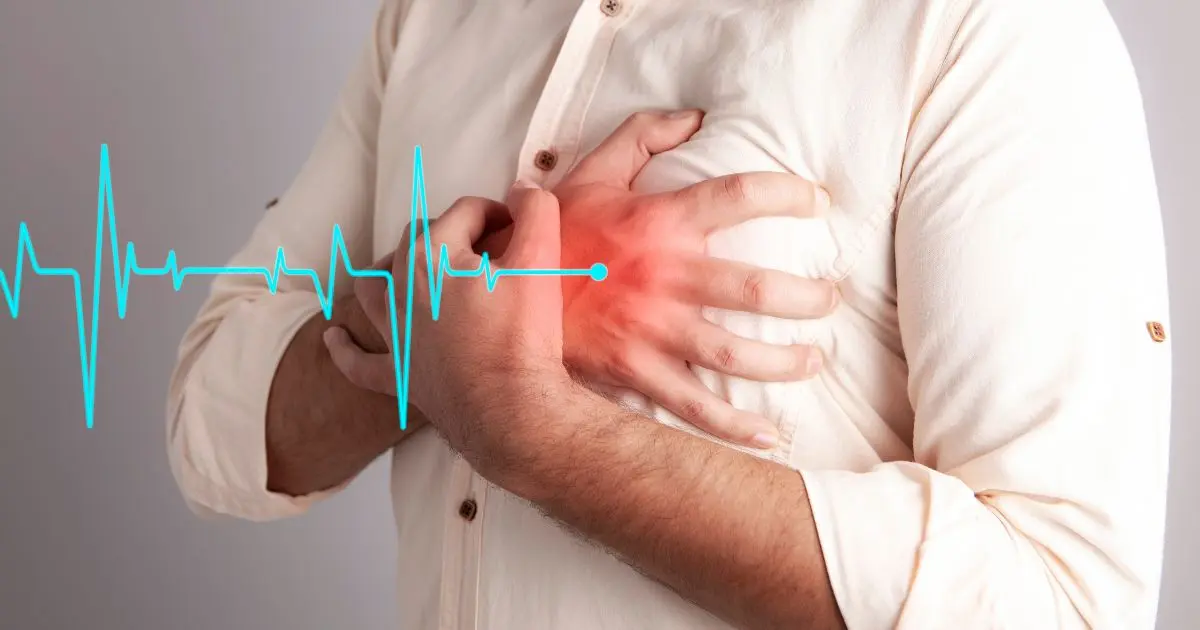
Еректильна дисфункція та серцево-судинне здоров’я
Erectile Dysfunction and Cardiovascular Health: Why These Problems May Be Connected
Reviewed by Yehorov Kostiantyn Yuriiovych, Cardiologist of the highest category updated: 1 April 2026
Erectile dysfunction is not only a question of sexual life. Persistent difficulty achieving or maintaining an erection can sometimes be one of the signs of conditions affecting the blood vessels, the nervous system, hormonal balance or overall metabolic health. That is why assessing erectile function should not be reduced to finding a medicine that temporarily eases the symptom. It matters to understand why the problem appeared, which risk factors a particular man has, and whether there are accompanying conditions that need separate attention.
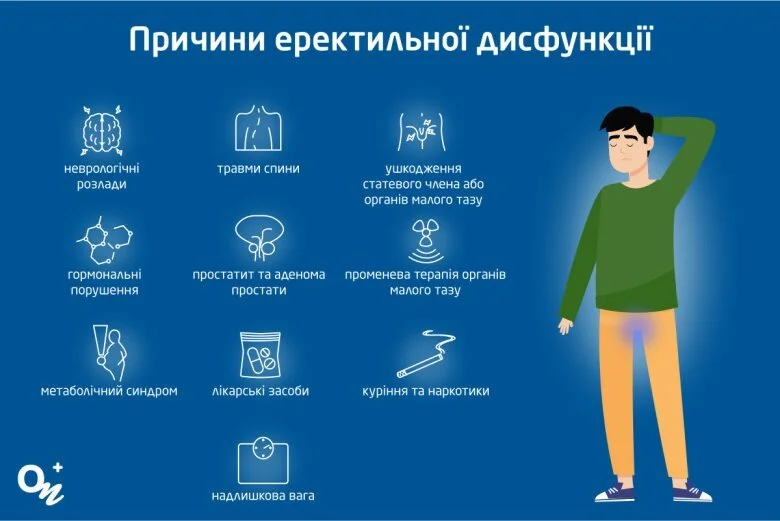
According to NIDDK on the causes of erectile dysfunction, ED can be linked to heart and vascular disease, arterial hypertension, diabetes, obesity, hormonal disorders, certain medicines, smoking and other factors. Such a broad list of causes explains why a full medical assessment matters even when the symptom appears to be isolated.
Why an Erection Depends on the State of the Blood Vessels
An erection is a complex physiological response. It requires sexual stimulation, nerve signals, relaxation of smooth muscle and sufficient blood flow to the tissues of the penis. If the vessels are damaged, or their ability to dilate is reduced, blood flow may not be enough for a stable erection.
This is why factors that harm the vascular system can at the same time raise the risk of ED. It does not mean that every case of erectile dysfunction indicates heart disease. However, persistent or new symptoms are a reason to discuss blood pressure, glucose levels, the lipid profile, body weight, smoking, physical activity and other risk factors with a doctor.
For men who need a more specific assessment of the genitourinary system, a separate area is urological diagnosis and treatment. A urological examination helps to separate vascular and metabolic causes from anatomical, hormonal, neurological or local urological problems.
Arterial Hypertension: A Double Connection
Raised blood pressure can over time damage the inner lining of the vessels and impair their ability to respond properly to the signals an erection requires. At the same time, some medicines used to control blood pressure may in some patients be associated with changes in sexual function. This is not a reason to stop antihypertensive medication on your own. On the contrary, such symptoms should be discussed with a doctor in order to assess overall cardiovascular risk and, if needed, adjust the treatment plan.
The most important thing is not to set blood pressure control against sexual health. Uncontrolled hypertension damages the vessels in itself. The goal is therefore safe treatment of the underlying condition, taking side effects and quality of life into account.
Diabetes, Obesity and Metabolic Factors
Diabetes can affect both the vessels and the nerves involved in producing an erection. If glucose is inadequately controlled over a long period, the risk of vascular and neurological complications rises. Obesity and excess body weight also frequently occur together with hypertension, disordered lipid metabolism and other metabolic changes.
This is why, with ED, a doctor may ask questions that at first glance have nothing to do with sexual function: about sugar levels, weight, physical activity, eating habits, sleep quality and the family history of cardiovascular disease. This is not a distraction from the main complaint, but an attempt to find the factors that may explain the symptom and affect the long-term outlook.
Smoking and Lifestyle
Smoking is one of the modifiable factors affecting vascular health. NIDDK also lists insufficient physical activity, excessive alcohol use and drug use among the behavioural factors that may contribute to ED. Changing your lifestyle does not guarantee that symptoms will disappear quickly, but it can be part of an overall strategy for reducing cardiovascular risk.
It is important to avoid the oversimplified approach of “lose weight and it will pass” or “just start exercising”. The causes of ED differ between men, and sometimes several mechanisms act at once. Lifestyle change therefore complements diagnosis rather than replacing it.
Medicines Can Matter Too
Erectile dysfunction sometimes appears while taking medication. Among the possible groups, NIDDK names some antidepressants, antihypertensives and diuretics, sedatives, certain painkillers and other medicines. If symptoms began after a change of therapy, the doctor should be told.
Stopping prescribed medication on your own is dangerous. The right approach is to compile a full list of prescription and over-the-counter medicines, vitamins and supplements, and then assess together with a doctor whether any of them could affect sexual function or interact with future ED treatment.
Where PDE5 Inhibitors Fit into Treatment
One group of medicines for treating erectile dysfunction is phosphodiesterase type 5 (PDE5) inhibitors. They support the physiological mechanism that relaxes the vessels in the tissues of the penis and increases blood flow during sexual stimulation. Tadalafil belongs to this group.
If, after assessing vascular and metabolic factors, a doctor is considering tadalafil, the name of a particular product should not distract from the active substance. In the material Vidalista 20 mg and tadalafil the brand can be compared with tadalafil, but cardiovascular suitability and drug interactions are assessed separately for every patient.
MedlinePlus on tadalafil explains that the medicine is used for erectile dysfunction, and that it does not increase sexual desire and does not “cure” the underlying cause of ED. In reference material about tadalafil-based medicines, the first thing that matters is telling the brand apart from the active substance: the clinical decision concerns whether tadalafil suits a particular patient, not merely the name on the package.
PDE5 therapy does not remove the need to assess the cause of ED. If a man has hypertension, diabetes or cardiovascular disease, takes several medicines, or has symptoms on exertion, this information may affect the choice of treatment.
Why Cardiovascular Safety Needs to Be Assessed
Sexual activity is physical exertion, and ED medicines have vascular effects. It is especially important to tell the doctor about chest pain, a previous heart attack or stroke, heart failure, arrhythmias, very high or very low blood pressure and other cardiovascular conditions.
Tadalafil must not be combined with nitrates, because this can cause a dangerous drop in blood pressure. DailyMed for tadalafil also contains warnings and information about interactions with other medicines. This is why a full list of medication is one of the most important parts of the consultation before starting therapy.
When a Urological Assessment Is Enough and When a Broader One Is Needed
A urologist assesses the symptoms, how long they have lasted, morning and spontaneous erections, sexual function, urological complaints, previous operations and injuries. Where necessary, a family doctor, cardiologist, endocrinologist or other specialists may join the assessment. If there are anatomical or other structural problems, urological surgery may be a separate option, but most cases of ED do not automatically mean an operation is needed.
Medical assessment is particularly important if erectile dysfunction appeared suddenly, is progressing, or occurs together with chest pain, marked breathlessness, symptoms of diabetes or other new complaints. The doctor also needs to know about every medicine, supplement and sexual-function product already being used.
ED Can Be a Reason to Check Overall Vascular Risk
Erectile dysfunction is not a specific test for cardiovascular disease, but its appearance alongside hypertension, diabetes, obesity, smoking or low physical activity makes a broader health assessment sensible. The vascular mechanism of an erection depends on normal blood flow and endothelial function, so factors that damage the vessels can affect sexual function as well.
In practice this means the consultation should not come down to the question of “which pill to choose”. It helps the doctor to know blood pressure levels, whether diabetes is present, smoking status, the nature of physical activity, cardiac symptoms and all regular medicines. If ED appeared after a change in treatment for hypertension or another chronic condition, that is also worth stating directly.
This approach does not mean that every case of ED has a cardiac origin. It helps avoid missing risk factors that matter regardless of whether tadalafil or another PDE5 inhibitor is prescribed.
Which Symptoms Make Cardiovascular Assessment Especially Important
Before ED therapy, it is worth specifically reporting chest pain or pressure, fainting, marked breathlessness, a sharp fall in exercise tolerance and any recent cardiovascular events. Such symptoms do not automatically rule out treatment, but they change the priorities: the state of the heart needs to be assessed first.
The doctor also needs the names of medicines for angina, blood pressure and the prostate. For tadalafil, the absence of nitrates from the regimen is fundamental. A patient should not stop nitrates or other cardiac medicines on their own for the sake of ED therapy — that is decided only within a medical plan.
What to Take Away from This Topic
Erectile dysfunction may be a urological problem in its own right, a consequence of psychological factors, a side effect of medication, or part of a wider vascular and metabolic picture. That is why the safest route is not to stop at looking for a medicine, but to treat the symptom as a reason to check overall health.
If drug therapy is appropriate, PDE5 inhibitors may be one of the options. However, the choice of active substance, the dosing regimen and the assessment of interactions depend on the medical history. This approach makes it possible to address the symptom and at the same time avoid missing risk factors that matter well beyond sexual health.

Was this article helpful?
Thank you for rating.
Prices



Frequently asked questions
History taking:
questions about symptoms, medical history.
Examination:
assessment of genitals, palpation of abdomen and kidneys.
Tests:
urinalysis, ultrasound, cystoscopy (if needed).
Discussion of results:
explanation of results, treatment plan or referral to another specialist.
Still have questions?
Leave your details and a doctor will call you back.