What Is Cystitis and How Can You Recognize It?
Reviewed by Vyacheslav Gennadievich Kononenko, Palliative Medicine Physician. Urologist.Аndrologist updated: 30 April 2026
What Cystitis Is and Its Types
Cystitis is inflammation of the bladder lining, most often bacterial in nature, although non-infectious forms also occur. The condition is far more common in women due to the anatomical structure of the urinary tract.
| Type of Cystitis | Main Characteristic | Typical Causes or Features |
|---|---|---|
| Acute bacterial cystitis | Sudden onset, pronounced symptoms | Most often E. coli and other bacteria |
| Chronic (recurrent) cystitis | Repeated episodes of inflammation | Incompletely treated infections, anatomical factors |
| Interstitial cystitis | Non-bacterial chronic inflammation | Exact cause not always known, requires specialized diagnosis |
| Post-radiation or drug-induced cystitis | Related to treatment of other conditions | A consequence of radiation therapy or certain medications |
How to Tell If You Have Cystitis: Main Symptoms
| Patient Group | Most Characteristic Symptoms | Notes on Course |
|---|---|---|
| Adult women | Frequent painful urination, burning, pressure-like pain in the lower abdomen | Most common form, often linked to cold exposure |
| Men | Same symptoms, sometimes milder | Less common, other causes should be ruled out |
| Pregnant women | Frequent urination, discomfort | Requires mandatory medical supervision |
| Older adults | Symptoms may be subtle, confusion is possible | Requires close monitoring |
What Causes Cystitis and What Triggers It
The main cause of cystitis is bacteria entering the bladder, which is encouraged by cold exposure, weakened immunity, insufficient hygiene, holding in urine for long periods, and certain anatomical factors. In women, the risk increases with sexual activity, pregnancy, and menopause due to hormonal changes in the tissue lining.
What to Do at the First Symptoms of Cystitis
If burning, frequent urges to urinate, and lower abdominal discomfort appear, it helps to drink more fluids, avoid cold exposure, and see a doctor as soon as possible to choose treatment. Severe pain, fever, or blood in the urine call for urgent consultation, and a sharp worsening of the condition warrants contacting emergency services.
What to Eat and Drink with Cystitis, and What to Avoid
| Category | What You Can Have | What to Avoid |
|---|---|---|
| Drinks | Plenty of water, fruit drinks, herbal teas | Alcohol, coffee, carbonated drinks |
| Food | Light meals, vegetables, fermented dairy products | Spicy, salty, fried food |
| Seasonings | A moderate amount of herbs | Hot spices, vinegar, marinades |
How Cystitis Is Diagnosed and Treated
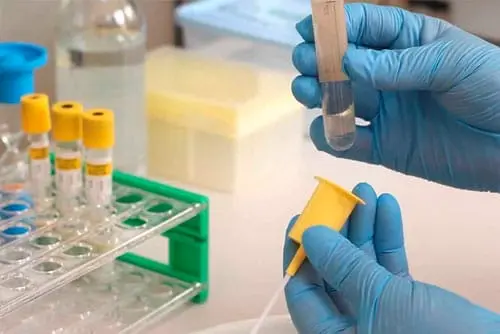
Diagnosis includes a urinalysis, a bacterial culture to identify the pathogen and antibiotic sensitivity, and, if needed, a bladder ultrasound. Treatment usually involves antibacterial therapy, plenty of fluids, and medication to relieve symptoms. For complicated forms or anatomical issues, consultation through urological surgery may be needed, and in some cases laparoscopic surgery or general surgery.

Was this article helpful?
Thank you for rating.
Still have questions?
Leave your details and a doctor will call you back.