Hemorrhoid Stages: Symptoms and Treatment
Reviewed by Alexander Vasilyevich Gubarik, Honored Doctor of Ukraine, Orthopedic Surgeon updated: 5 February 2026
What Hemorrhoids Are and Their Types
Hemorrhoids are a condition involving abnormal enlargement and inflammation of the venous plexuses in the rectum and anal canal. Depending on the location of the nodes, hemorrhoids are classified as internal, external, or combined. The condition develops gradually, progressing through several stages that differ in symptom severity and the degree of node prolapse. Identifying the stage early allows for the least invasive treatment approach to be chosen.
Hemorrhoid Stages: How Symptoms and Manifestations Change
| Stage | Main Symptoms | Node Prolapse | Features |
|---|---|---|---|
| First | Discomfort, itching, minor bleeding | None | Nodes are only visible during examination |
| Second | Pain during bowel movements, bleeding | Prolapse, retract on their own | Symptoms worsen after exertion |
| Third | Constant discomfort, more frequent bleeding | Prolapse, require manual repositioning | Node entrapment is possible |
| Fourth | Significant pain, heavy bleeding | Constantly prolapsed, cannot be repositioned | High risk of complications |
Early Stage of Hemorrhoids
At the first stage, symptoms are mild — there may be a sensation of a foreign body, slight itching, or minor traces of blood on toilet paper. Many people ignore these signs, even though treatment is most effective at this stage.
Second Stage of Hemorrhoids
The nodes begin to prolapse during bowel movements but retract on their own. Pain becomes more noticeable, especially after physical exertion or prolonged sitting.
Third Stage of Hemorrhoids
Prolapse happens more often, and the nodes no longer retract on their own — they need to be pushed back manually. Bleeding becomes more regular, and discomfort becomes a constant part of daily life.
Fourth Stage of Hemorrhoids
The nodes remain permanently outside and cannot be repositioned. This stage involves significant pain, heavy bleeding, and an increased risk of thrombosis or entrapment, requiring urgent treatment.
How to Tell Internal, External and Combined Hemorrhoids Apart
Internal hemorrhoids are located inside the rectum and may not be felt at early stages, showing up only as bleeding during bowel movements. External hemorrhoids form under the skin around the anus, causing more noticeable pain and discomfort due to their proximity to nerve endings. Combined hemorrhoids feature both types and usually cause the most pronounced symptoms, since vessels are affected both inside and outside the anal canal.
How Hemorrhoids Are Examined and Diagnosed
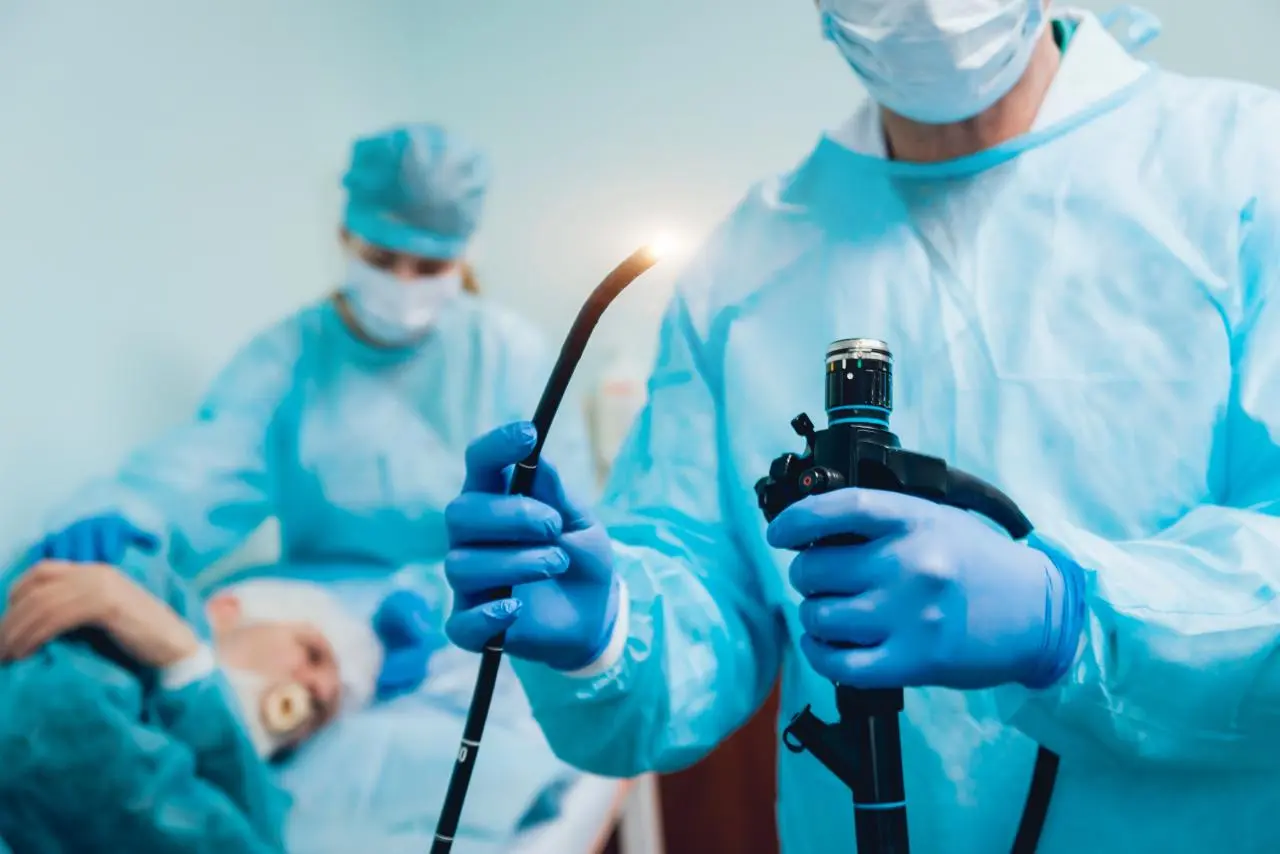
Diagnosis begins with a history and examination by a proctologist, including a digital rectal exam. Anoscopy or sigmoidoscopy may be used for a more detailed assessment of the mucosa and nodes. This helps not only confirm hemorrhoids but also rule out other rectal conditions with similar symptoms — polyps, an anal fissure, or growths that can also cause bleeding and discomfort.
How Hemorrhoids Are Treated Depending on the Stage
At early stages, conservative treatment is used — dietary adjustments, topical medications, and lifestyle changes, including avoiding prolonged sitting and normalizing bowel movements. If the condition progresses to chronic hemorrhoids with regular flare-ups, minimally invasive or surgical methods are considered. At later stages, hemorrhoid node removal is used, and in some cases PEXS hemorrhoid node repair, which preserves more healthy tissue and shortens recovery time. In acute flare-ups with node entrapment, surgical treatment of acute hemorrhoids may be needed.
When Hemorrhoids Require a Doctor’s Attention
See a proctologist if blood appears in the stool, discomfort is persistent, nodes prolapse, or pain doesn’t go away. Seeking care early helps avoid progression to later stages, when treatment becomes more complex and the risk of complications, including node thrombosis, rises significantly.

Was this article helpful?
Thank you for rating.
Still have questions?
Leave your details and a doctor will call you back.