
Helicobacter pylori: Symptoms and Modern Treatment Options
Helicobacter pylori (H. pylori) is a bacterium that can survive in the lining of the stomach for many years. According to medical research, a significant portion of the world's population is infected with H. pylori, although many people never develop symptoms or related diseases. However, this bacterium is recognized as one of the leading causes of chronic gastritis, peptic ulcer disease, and several other gastrointestinal disorders.
At Helyos Medical Center, patients can undergo comprehensive diagnostic testing, advanced laboratory evaluation, consult with an experienced gastroenterologist, and receive an individualized treatment plan based on the latest international clinical guidelines.
What Is Helicobacter pylori and How Is It Transmitted?
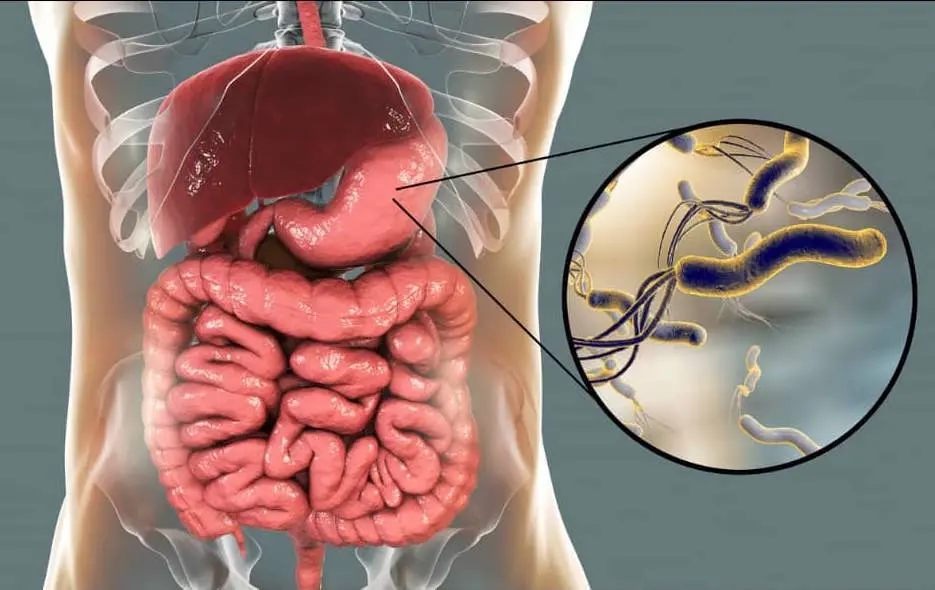
Helicobacter pylori is a spiral-shaped bacterium that is uniquely adapted to survive in the highly acidic environment of the stomach. It produces a special enzyme called urease, which neutralizes stomach acid around the bacterium, allowing it to attach to and colonize the stomach lining.
The infection is most commonly transmitted through:
- person-to-person contact within households;
- saliva;
- sharing eating utensils;
- contaminated drinking water;
- close contact with an infected family member.
Once inside the body, the bacterium may remain inactive for many years. Under certain conditions, however, it can trigger inflammation of the stomach lining.
Symptoms of Helicobacter pylori Infection
In the early stages, H. pylori infection often causes no symptoms. The first signs usually appear when gastritis or other stomach disorders develop.
The most common symptoms include:
- pain or discomfort in the upper abdomen;
- heartburn;
- belching;
- abdominal bloating;
- nausea;
- early satiety (feeling full quickly);
- bad breath;
- loss of appetite;
- recurrent digestive problems.
If a peptic ulcer develops, abdominal pain may worsen on an empty stomach or during the night. Serious complications may include gastrointestinal bleeding, vomiting blood, or black, tarry stools, all of which require immediate medical attention.
Conditions Associated with Helicobacter pylori
Long-term infection with H. pylori causes chronic inflammation of the stomach lining and may lead to several gastrointestinal diseases.
The bacterium is commonly associated with:
- chronic gastritis;
- gastric (stomach) ulcers;
- duodenal ulcers;
- atrophic gastritis;
- certain types of gastric polyps;
- MALT lymphoma;
- an increased risk of stomach (gastric) cancer.
For this reason, early diagnosis and appropriate treatment are essential for preventing serious complications.
How Is Helicobacter pylori Diagnosed?
Modern medicine offers several accurate methods for detecting H. pylori infection. The most appropriate diagnostic test depends on the patient's symptoms and clinical situation.
Common diagnostic methods include:
- urea breath test;
- stool antigen test;
- blood test for H. pylori antibodies;
- upper endoscopy with biopsy;
- rapid urease test;
- histological examination of stomach tissue samples.
At Helyos Medical Center, advanced laboratory diagnostics are available to quickly and accurately confirm or rule out Helicobacter pylori infection.
Modern Treatment of Helicobacter pylori Infection
Treatment is recommended only after Helicobacter pylori infection has been confirmed and should always be prescribed by a healthcare professional.
The standard approach is eradication therapy, which typically includes:
- antibiotics;
- medications that reduce stomach acid production (proton pump inhibitors);
- medications that help protect the stomach lining;
- dietary recommendations;
- follow-up testing after treatment to confirm successful eradication.
Self-medicating with antibiotics is strongly discouraged, as inappropriate treatment may lead to antibiotic resistance and reduce the effectiveness of future therapy.
After completing treatment, your doctor may recommend repeat testing to confirm that the infection has been completely eliminated.
How to Prevent Reinfection
Although it is impossible to eliminate the risk of reinfection entirely, following simple hygiene practices can significantly reduce the likelihood of becoming infected again.
Recommended preventive measures include:
- washing your hands regularly;
- using personal eating utensils whenever possible;
- drinking safe, clean water;
- thoroughly washing fruits and vegetables;
- seeking timely treatment for gastrointestinal diseases;
- undergoing preventive medical check-ups if you have risk factors.
If symptoms return after treatment, it is important to consult your doctor again.
When Should You See a Gastroenterologist?
A consultation with a gastroenterologist is recommended if you experience:
- persistent upper abdominal pain;
- frequent heartburn;
- nausea;
- recurrent gastritis;
- suspected peptic ulcer disease;
- a positive Helicobacter pylori test;
- a family history of stomach cancer.
At Helyos Medical Center, patients can receive a comprehensive gastroenterology consultation, undergo advanced laboratory testing, and, when necessary, begin treatment based on the latest evidence-based clinical guidelines.
Conclusion
Helicobacter pylori is one of the most common bacterial infections affecting the stomach. Although many infected individuals never develop symptoms, the bacterium can cause chronic gastritis, peptic ulcers, and other serious gastrointestinal diseases.
Early diagnosis, appropriately selected treatment, and follow-up testing after therapy can successfully eradicate the infection and significantly reduce the risk of long-term complications.

Was this article helpful?
Thank you for rating.
Prices


Frequently asked questions
History taking:
complaints, medical history, eating habits, lifestyle.
Examination:
palpation of the abdomen, assessment of the skin, tongue, blood pressure measurement.
Appointment of examinations:
tests (blood, liver tests, Helicobacter), ultrasound, gastroscopy.
Recommendations:
treatment, diet, nutrition, lifestyle changes.
Follow-up:
repeated consultation to assess the results of treatment.
Still have questions?
Leave your details and a doctor will call you back.