Modern Duodenal Ulcer Treatment in Dnipro
Reviewed by Alexander Vasilyevich Gubarik, Honored Doctor of Ukraine, Orthopedic Surgeon updated: 28 July 2026
A duodenal ulcer is a chronic digestive disorder in which a deep defect forms in the lining of the duodenum. The disease often follows a course of flare-ups and remission, but without timely treatment it may lead to serious complications, including gastrointestinal bleeding, perforation, and intestinal stenosis.
At the Helyos Surgery and Rehabilitation Center, patients receive comprehensive treatment for duodenal ulcers. Specialists use modern diagnostic methods, conservative therapy, and surgical treatment when an operation becomes necessary.
What Is a Duodenal Ulcer?
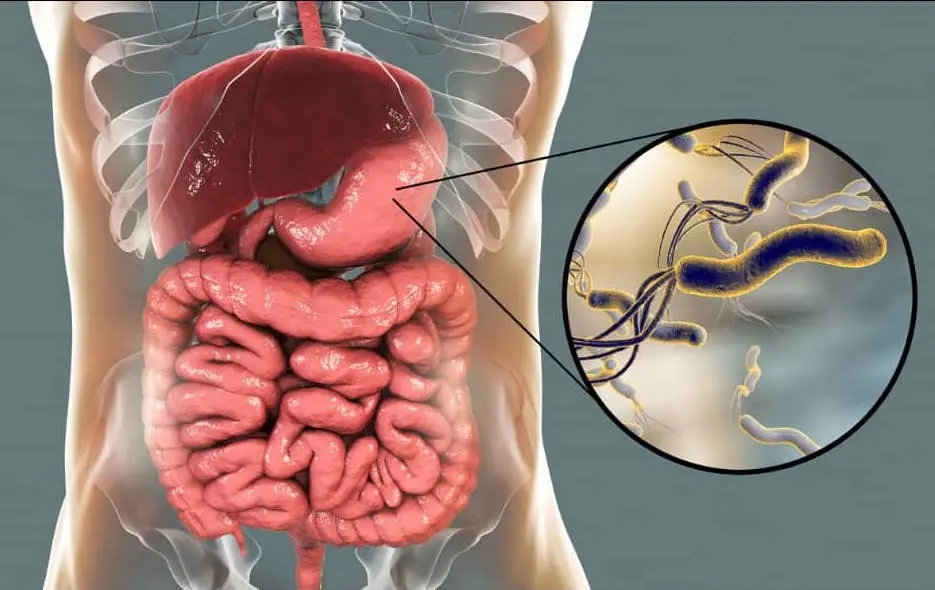
The duodenum is the first section of the small intestine, where stomach contents enter for further digestion. When the protective mechanisms of the intestinal lining are disrupted and aggressive factors affect the mucosa, an ulcer develops.
The disease often becomes chronic with recurrent exacerbations. Without treatment, the ulcer gradually enlarges and penetrates deeper layers of the intestinal wall.
Timely treatment of a duodenal ulcer helps prevent complications and preserve the patient's quality of life.
Causes and Risk Factors
The primary cause of duodenal ulcer disease is infection with Helicobacter pylori. However, several additional factors contribute to ulcer formation.
These include:
- Helicobacter pylori infection
- Long-term use of certain medications
- Chronic stress
- Irregular eating habits
- Excessive alcohol consumption
- Smoking
- Genetic predisposition
- Increased gastric acid production
The presence of several risk factors simultaneously significantly increases the likelihood of developing the disease.
Symptoms and Diagnosis
Clinical manifestations depend on the stage of the disease and the size of the ulcer.
The most common symptoms include:
- Upper abdominal pain
- Hunger pain (pain when the stomach is empty)
- Heartburn
- Acid reflux or sour belching
- Nausea
- A feeling of fullness after meals
- Loss of appetite
- Abdominal bloating
If complications develop, patients may experience vomiting of blood, black stools, severe abdominal pain, and deterioration of their general condition. These symptoms require immediate medical attention.
Diagnostic evaluation includes:
- Consultation with a gastroenterologist and surgeon
- Gastroscopy (upper endoscopy)
- Laboratory tests
- Helicobacter pylori testing
- Abdominal ultrasound examination
- Additional diagnostic procedures when necessary
A comprehensive evaluation allows specialists to determine the stage of the disease and develop the most effective treatment strategy.
Surgical Treatment of Duodenal Ulcers at Helyos
Most patients are successfully treated with conservative therapy. However, surgery may become necessary if complications develop.
The main indications for surgery include:
- Perforated ulcer
- Gastrointestinal bleeding
- Severe narrowing (stenosis) of the duodenum
- Failure of medical treatment
- Suspicion of malignant transformation
At the Helyos Surgery and Rehabilitation Center, surgical procedures are performed by experienced surgeons using modern techniques. After surgery, patients undergo a comprehensive rehabilitation program under specialist supervision.
Benefits of Treatment at Helyos
Patients choose Helyos Medical Center because of its comprehensive approach to diagnosing and treating digestive diseases.
Our advantages include:
- Experienced specialists
- Advanced diagnostic equipment
- Individualized treatment plans
- Modern surgical techniques
- Comfortable inpatient facilities
- 24-hour medical supervision
- Comprehensive rehabilitation programs
This integrated approach provides highly effective treatment and helps shorten recovery time.
Cost of Consultation and Treatment
The cost of treatment is determined individually after consultation and diagnostic evaluation.
The final cost depends on:
- Scope of diagnostic testing
- Need for additional examinations
- Selected treatment plan
- Whether surgery is required
- Length of hospital stay
- Extent of postoperative rehabilitation
Detailed pricing information is provided after the initial consultation.
What dietary recommendations should be followed?
Patients are advised to follow a gentle diet, avoid spicy, fried, and excessively hot foods, eliminate alcohol, and eat small, frequent meals. Individual dietary recommendations are provided by the treating physician.
How can I schedule an appointment at Helyos?
Appointments can be scheduled by calling the medical center or by completing the online appointment request form on the official website. After the initial consultation, the physician will recommend the necessary diagnostic tests and develop an individualized treatment plan.
What diagnostic methods are available at Helyos?
Diagnostic evaluation includes gastroscopy (upper endoscopy), laboratory testing, Helicobacter pylori testing, abdominal ultrasound, and other modern diagnostic procedures that help accurately determine the cause of the disease.
How long does recovery take after duodenal ulcer treatment?
Recovery time depends on the stage of the disease and the chosen treatment method. Recovery is generally faster after conservative therapy, while patients who undergo surgery require adherence to their physician's recommendations and completion of a structured rehabilitation program.

Was this article helpful?
Thank you for rating.
Prices


Still have questions?
Leave your details and a doctor will call you back.